
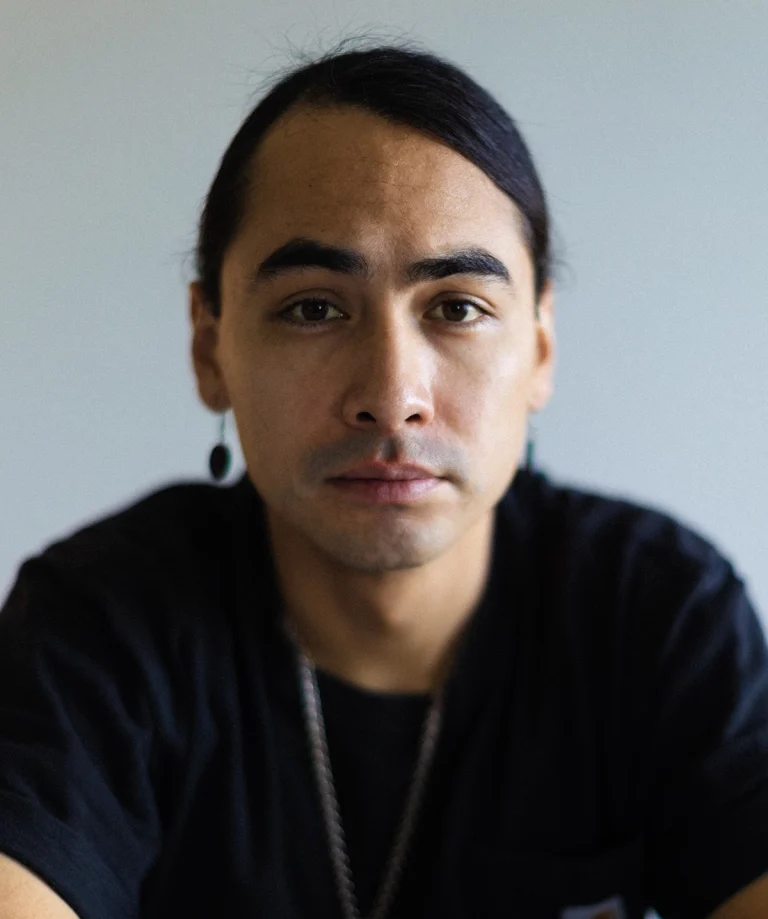
Julian Brave NoiseCat
Writer, Oscar-nominated filmmaker, and author of We Survived the Night
Julian Brave NoiseCat is a writer, filmmaker, champion powwow dancer, and student of Salish art and history. He is the first Indigenous North American filmmaker ever nominated for an Academy Award.
NoiseCat’s award-winning first book, We Survived the Night, is a portrait of Indigenous life beginning with the familial and expanding outwards from there through a contemporary retelling of the Coyote epic. In 2026, NoiseCat brought the art of the Coyote Story back to life onstage through a one-man show that premiered with two sold out performances at the inaugural “The Dark” festival in the Hudson Valley.
NoiseCat’s first documentary, Sugarcane, directed alongside Emily Kassie, follows an investigation into abuse and missing children at the Indian residential school NoiseCat’s family was sent to near Williams Lake, British Columbia. Sugarcane was recognized with over 50 honors including Best Documentary from the National Board of Review and was nominated for a Peabody and an Academy Award. In 2025, Sugarcane topped Harper’s BAZAAR’s list of “The 31 Best Documentaries of All Time.”
NoiseCat’s journalism has appeared in dozens of publications including The New York Times, The Washington Post, and The New Yorker and has been recognized with many awards including the 2022 American Mosaic Journalism Prize, which honors “excellence in long-form, narrative or deep reporting on stories about underrepresented and/or misrepresented groups in the present American landscape.”
Raised in a single-mother household in Oakland, California, Julian is a proud member of the Canim Lake Band Tsq’escen and a descendant of the Lil’Wat Nation of Mount Currie. A champion traditional dancer, his powwow prize winnings include a horse. He resides on Kitsilano Indian Reserve No. 6 with his partner and son.
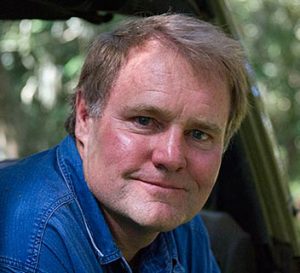
Greg Carr
Chair, Gorongosa Restoration Project
Gregory C. Carr is an American entrepreneur and philanthropist. His most notable philanthropic venture is the restoration of Mozambique’s famous Gorongosa National Park, which has been ravaged by civil war and environmental destruction.
Following a successful career in the technology sector, Carr dedicated himself to humanitarian activities and formed the Carr Center for Human Rights Policy at Harvard University in 1999. Through research and teaching, the Carr Center seeks to make human rights principles central to the formulation of good public policy in the US and throughout the world.
In 1999 he also founded the Gregory C. Carr Foundation – a non-profit that has been involved in various projects including the Gorongosa Restoration Project – and which is committed to the restoration of Gorongosa National Park in central Mozambique as well as the sustainable development of the communities surrounding the park. The Gorongosa Restoration Project has reintroduced species to the ecosystem, worked with the Mozambiquan government to extend the park’s boundaries to include Mount Gorongosa, created the E.O. Wilson Biodiversity Laboratory, established eco-tourism in the Park, and provides health and education programs to the local communities living near the Park’s borders.
Greg has received The Explorers Club President’s Award for Conservation, the BBVA Foundation Worldwide Award for Biodiversity Conservation, and the Frank and Bethine Church Award for Distinguished Public Service in honor of his dedication to global human rights and his continuous efforts to retore Gorongosa National Park.
Susana Carvalho
Director of Science, Gorongosa Restoration Project
Professor Susana Carvalho is a palaeoanthropologist, primatologist, and archaeologist with two decades of field research in Africa and 11 years in Gorongosa National Park. At Gorongosa, Susana has been director of the Paleo-Primate Project (2016-2025), Director of Paleoanthropology and Primatology (2018-2025), and is now Director of Science in the Park.
Susana has long term experience leading multi-disciplinary projects in Guinea, Kenya, Angola, and Mozambique. She came to her current role from the Oxford University’s chair in Palaeoanthropology.
She founded the Paleo-Primate Project Gorongosa: an international team of ~40 researchers from around the world, carrying out a unique interdisciplinary programme to understand primate origins, ecology, and adaptations.
The Gorongosa Interdisciplinary Field School has trained ~100 students, including 50 from Mozambique. Professor Carvalho’s philosophy in education has been to ‘balance and connect’. Directing the field school, she has promoted having 50% of each cohort from Mozambique and 50% from other countries around the world, with students from diverse backgrounds working to reach shared goals.
Susana has a BA in Archaeology (Oporto University), a MSc in Human Evolution (University of Coimbra), and a PhD in Biological Anthropology (University of Cambridge). She received the Philip Leverhulme Prize in 2016 and the British Academy Mid-Career Fellowship in 2021.
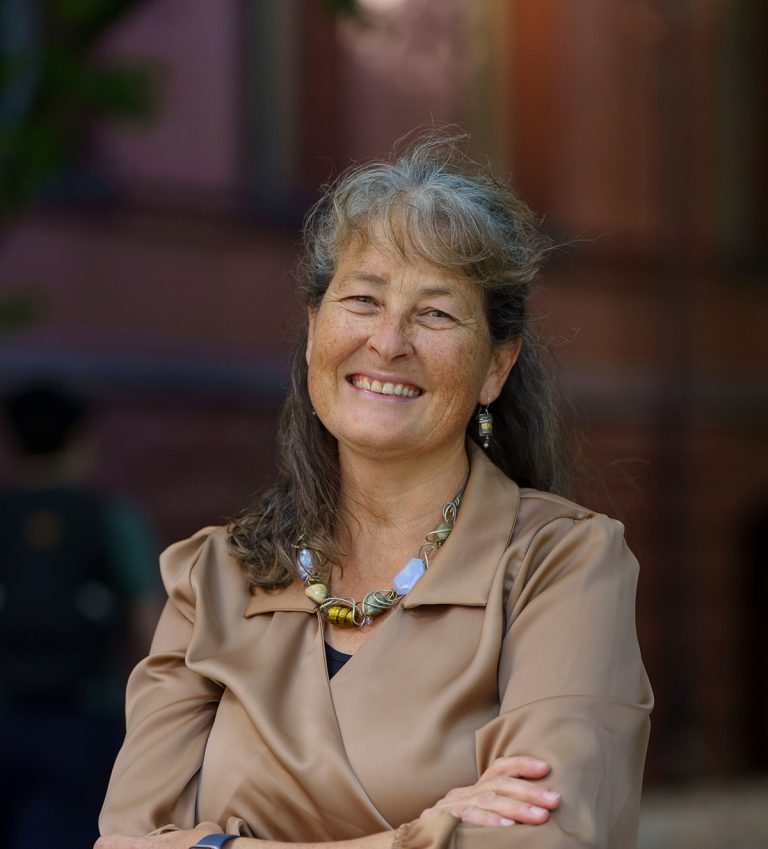
Jeannine Cavender-Bares
Climate Action Acceleration Professor of Organismic and Evolutionary Biology, Harvard University and Director, Harvard University Herbaria
Jeannine Cavender-Bares is Climate Action Acceleration Professor of Organismic and Evolutionary Biology at Harvard University and Director of the Harvard University Herbaria. A plant evolutionary ecologist, she investigates how the evolutionary history and functional traits of plants—especially trees with a focus on oaks—shape community assembly, ecosystem processes, and responses to global change. Her lab pioneers “spectral biology,” integrating spectroscopy and remote sensing to monitor plant biodiversity and ecosystem function from leaves to landscapes, and she directs the NSF Biology Integration Institute ASCEND (Advancing spectral biology in changing environments to understand Biodiversity). A fellow of the American Association for the Advancement of Science and the American Academy of Arts and Sciences, she also contributes to international biodiversity assessments, including the United Nations Intergovernmental Science-Policy Platform on Biodiversity and Ecosystem Services.
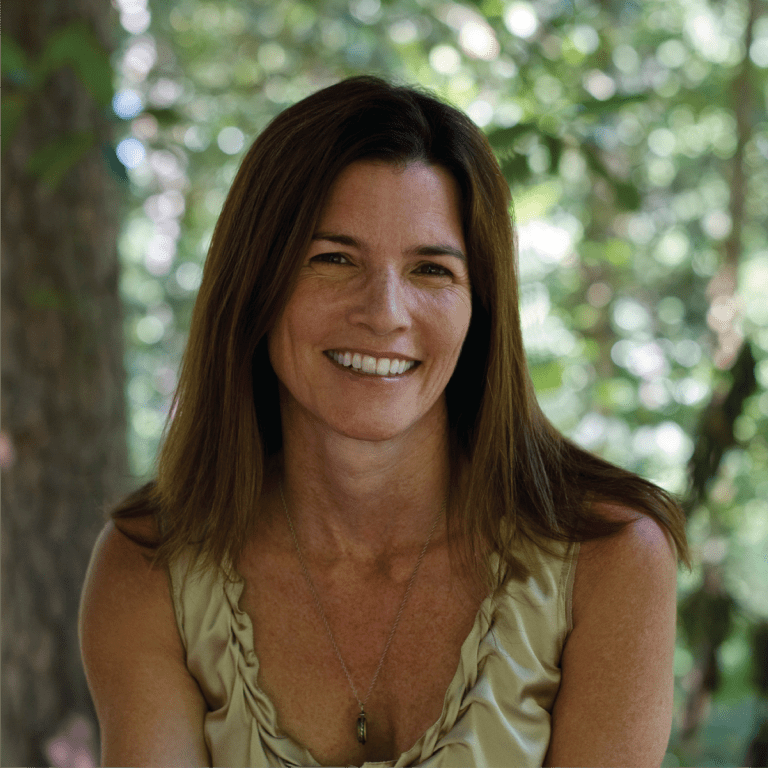
Paula J. Ehrlich
President & CEO, E.O. Wilson Biodiversity Foundation; Founder, Half-Earth Day; Co-Founder, Half-Earth Project
Paula J. Ehrlich, DVM, PhD, is President & CEO of the E.O. Wilson Biodiversity Foundation, whose purpose is to inspire informed collective action to save the biosphere. Dr. Ehrlich pioneers innovation, leads strategic activities & fosters collaborations that support worldwide protection of biodiversity. She leads a diverse team of scientists, educators & communication leaders who share a moral conviction to act to protect biodiversity as one of humanity’s transcendent goals.
Dr. Ehrlich is co-Founder of the Half-Earth Project, the leading voice for E.O. Wilson’s Half-Earth call to protect half the land and sea in order to safeguard the bulk of biodiversity. The Half-Earth Project is playing a significant role in ensuring we leave no species behind through research that provides scientific leadership in service of a resilient planet, education that fosters an intergenerational commitment to stewardship of the Earth, and engagement of a global community that perceives and celebrates the inherent value of nature.
She has led the development of the Half-Earth Project Map, raising over $20M to create a global, spatially-explicit, and taxonomically comprehensive map of species for public engagement and decision-making. Recent updates inform how well conserved places are protecting species and identify priorities for future conservation.
Dr. Ehrlich is founder of Half-Earth Day, now in its 10th year, which brings together people from around the world and across disciplines to share perspectives & thought leadership on how to achieve Half-Earth and ensure the health of our planet for future generations. Half-Earth Day has been held in DC, NYC, Berkeley, London, Montreal, Cali, Chicago and virtually, attracting thousands of participants from around the globe.
Dr. Ehrlich has over 30 years of strategic scientific management and research expertise, and diverse academic, non-profit, and corporate leadership experience. As CEO of the non-profit Drug Discovery Center of Innovation, she fostered strategic innovation in early drug development for unmet medical needs. At Merck she led initiatives to establish imaging biomarkers and proof-of-concept for over 12 lead compounds, which are in clinical trials.
A keen adventurer & explorer, Paula is an avid hiker, and has summited Mt Rainier. She has been an equine surgeon at universities in 3 countries, and has worked to empower women’s cooperatives in S. Sudan. Always driven by challenge and a desire to make a difference in the world, her current work embodies the hopes of the greatest naturalist of our time, E.O. Wilson.
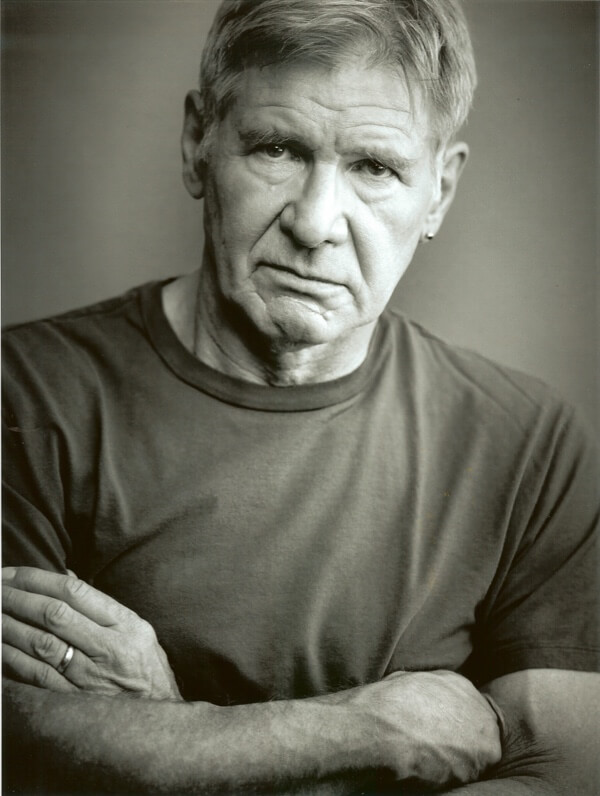
Harrison Ford
Actor
Harrison Ford has starred in many of the most successful and acclaimed films in cinema history, including the landmark Star Wars and Indiana Jones franchises, as well as eight Best Picture Oscar®-nominated films. He has earned numerous Best Actor nominations, including an Academy Award®, three Golden Globe Awards®, and a BAFTA Award®.
Throughout his distinguished career, Ford has been consistently recognized for his impact on the film industry. His accolades include the British Academy of Film and Television Arts’ Albert R. Broccoli Britannia Award, the Hollywood Foreign Press Association’s Cecil B. DeMille Award, the American Film Institute’s Lifetime Achievement Award, and an honorary César Award. In 1994, the National Association of Theater Owners named him the Box Office Star of the Century.
Ford currently can be seen in the second season of Taylor Sheridan’s 1923. He stars as Jacob Dutton, opposite Helen Mirren, in the Yellowstone prequel that follows the Dutton family during the era of Western expansion, Prohibition, and the Great Depression. The series was nominated for Best Television Series – Drama at the 2024 Golden Globes.
In 2026 Harrison will be seen in the third season of Apple TV’s acclaimed comedy series Shrinking created by Brett Goldstein, Bill Lawrence, and Jason Segel. For his performance, Ford received nominations for Best Supporting Actor in a Comedy Series, a Golden Globe Award for Best Supporting Actor, and a SAG Award for Outstanding Performance by a Male Actor in a Comedy Series. The show also received a nomination for Best Comedy Series at the 2024 Critics Choice Awards.
Ford recently made his debut in the Marvel Cinematic Universe in Marvel Studios’ Captain America: Brave New World, playing Thaddeus “Thunderbolt” Ross, who rises to the role of President of the United States. He stars alongside Anthony Mackie, who reprises his role as the new Captain America.
He also returned to the big screen for his fifth portrayal of Indiana Jones in Indiana Jones and the Dial of Destiny, directed by James Mangold and produced by Steven Spielberg and George Lucas. The film premiered at the 2023 Cannes Film Festival, where Ford was honored with the festival’s prestigious honorary Palme d’Or for lifetime achievement.
Ford’s recent work includes serving as an executive producer on the Annapurna drama series The Staircase, based on the real-life murder trial of Michael Peterson, and starring as John Thornton in Fox’s adaptation of Jack London’s classic novel The Call of the Wild, alongside Dan Stevens and Omar Sy. He also voiced the character of Rooster, a tough farm dog, in Universal Pictures’ animated film The Secret Life of Pets 2, with Kevin Hart and Tiffany Haddish.
He has reprised several of his most iconic roles, including Rick Deckard in Denis Villeneuve’s Blade Runner 2049, opposite Ryan Gosling, and Han Solo in Star Wars: Episode VII – The Force Awakens, which broke box office records to become the highest-grossing domestic film at the time of its release.
A native of Chicago, Ford launched his film career in 1973 with a breakout performance as hot-rodder Bob Falfa in George Lucas’s American Graffiti. He reunited with Lucas four years later to originate the role of Han Solo in Star Wars: Episode IV – A New Hope. The film earned 10 Oscar® nominations, including Best Picture, and became the highest-grossing film of its time. In 1981, Ford introduced another legendary character in Raiders of the Lost Ark, directed by Steven Spielberg. He continued to lead blockbuster sequels in both the Star Wars and Indiana Jones franchises, contributing to over $1 billion in global box office revenue during the 1980s alone.
Ford’s diverse and acclaimed filmography includes performances in Francis Ford Coppola’s Oscar®-nominated The Conversation and Apocalypse Now; Ridley Scott’s sci-fi landmark Blade Runner (1982); Mike Nichols’ Working Girl; Philip Noyce’s Patriot Games and Clear and Present Danger; Andrew Davis’s The Fugitive; Wolfgang Petersen’s Air Force One; Robert Zemeckis’s What Lies Beneath; Kathryn Bigelow’s K-19: The Widowmaker; Brian Helgeland’s 42; and Gavin Hood’s Ender’s Game.
Beyond his work in film and television, Ford serves as Vice-Chairman of the Board of Directors for Conservation International, a global nonprofit dedicated to protecting biodiversity. He has been an active member of the organization for over 25 years.
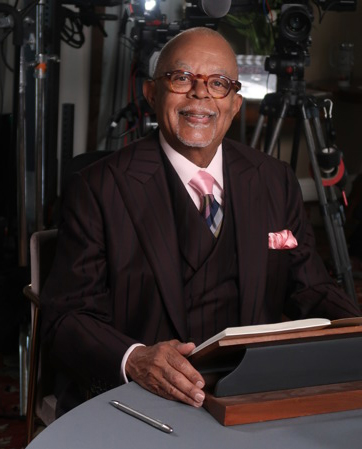
Henry Louis Gates Jr.
Alphonse Fletcher University Professor & Director, Hutchins Center for African & African American Research, Harvard University
Henry Louis Gates, Jr. is the Alphonse Fletcher University Professor and Director of the Hutchins Center for African & African American Research at Harvard University. An Emmy, Du Pont, and Peabody Award-winning filmmaker, literary scholar, and institution builder, he has published numerous books and produced and hosted an array of documentary films about Black History, including, most recently, Black and Jewish America: An Interwoven History (PBS, 2026). Gates’s groundbreaking genealogy and genetics series, Finding Your Roots, which received a Primetime Emmy nomination, is now in production on its thirteenth season on PBS. His latest book, The Black Box: Writing the Race (Penguin Random House, 2024), was named one of the New York Times 100 Best Books of the Year.
A native of Piedmont, West Virginia, Gates is a recipient of numerous honorary degrees, including from his undergraduate alma mater, Yale University, his graduate alma mater, the University of Cambridge, where he is an honorary Fellow, and most recently the University of Oxford. Gates was a member of the first class awarded “genius grants” by the MacArthur Foundation in 1981, and in 1998 he became the first African American scholar to be awarded the National Humanities Medal, conferred by President William Jefferson Clinton. In 2001 he discovered the first novel written by a Black female author, The Bondwoman’s Narrative, by Hannah Craft, the holograph manuscript of which he donated to Yale’s Beinecke Rare Book Library.
A former chair of the Pulitzer Prize board, he is a member of the American Academy of Arts and Letters and serves on a wide array of boards, including the New York Public Library, the NAACP Legal Defense Fund, the Aspen Institute, the Whitney Museum of American Art, Library of America, and The Studio Museum of Harlem. In 2011, his portrait, by Yuqi Wang, was hung in the National Portrait Gallery in Washington, D.C. In 2023, his portrait, by Kerry James Marshall, was hung at the Fitzwilliam Museum at The University of Cambridge. He was inducted into the Phi Beta Kappa honor society in his junior year. In July 2024, he was awarded the prestigious Spingarn Medal from the NAACP. His other awards include the PEN Audible Literary Service Award, the NAACP’s Spingarn Medal, the Barry Prize, the Vilcek Prize for Excellence in Literary Scholarship, the Modern Language Association’s Phyllis Franklin Award for Public Advocacy of the Humanities, and the Thomas Jefferson Foundation Medal. Gates is a Fellow of the American Academy of Arts and Letters, the American Academy of Arts and Sciences, an International Fellow of the British Academy, and an Honorary Fellow of the Royal Academy of Arts.
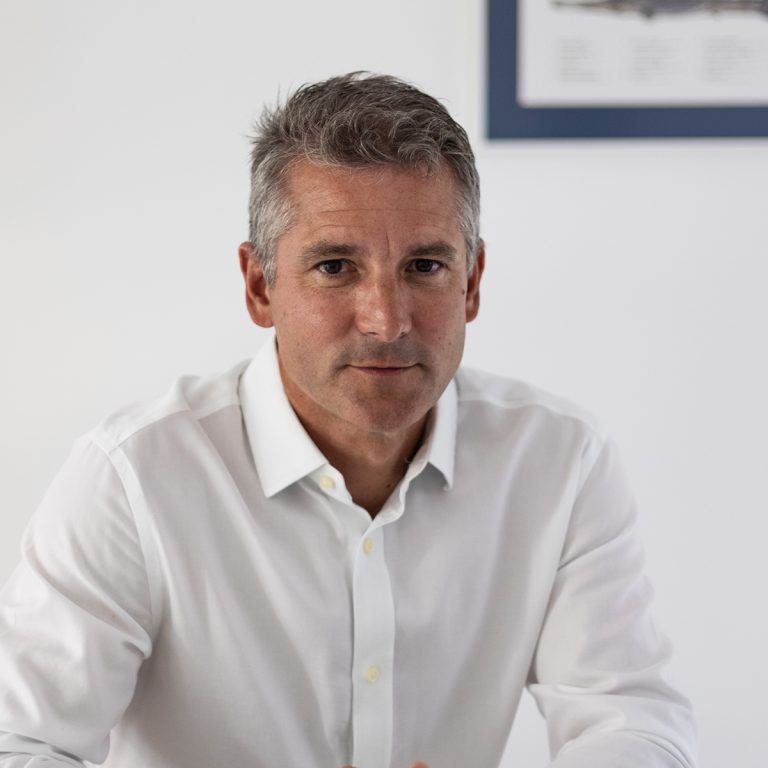
Gonzalo Giribet
Director, Museum of Comparative Zoology
Gonzalo Giribet is an invertebrate zoologist, professor, curator, and museum director. He serves as the Alexander Agassiz Professor of Zoology and Director of the Museum of Comparative Zoology at Harvard University, alongside his role as a Professor of organismic and evolutionary biology. His research explores the evolution, systematics, and biogeography across many groups of invertebrates.
Giribet is a Fellow of the Linnean Society of London; a Fellow of the California Academy of Sciences, San Francisco; a Research Associate at the American Museum of Natural History, New York; a Research Associate at the Field Museum of Natural History, Chicago; and an Honorary Research Fellow at The Natural History Museum, London. Since 2014 he is Foreign Member of the biology section of the Institut d’Estudis Catalans, Barcelona. In 2017 Giribet received an honorary doctorate (Doctor honoris causa) from the University of Copenhagen. He has published over 400 scientific papers and book chapters and has co-authored two major textbooks on invertebrate zoology. He has described over 200 new species of invertebrates across the animal tree of life.
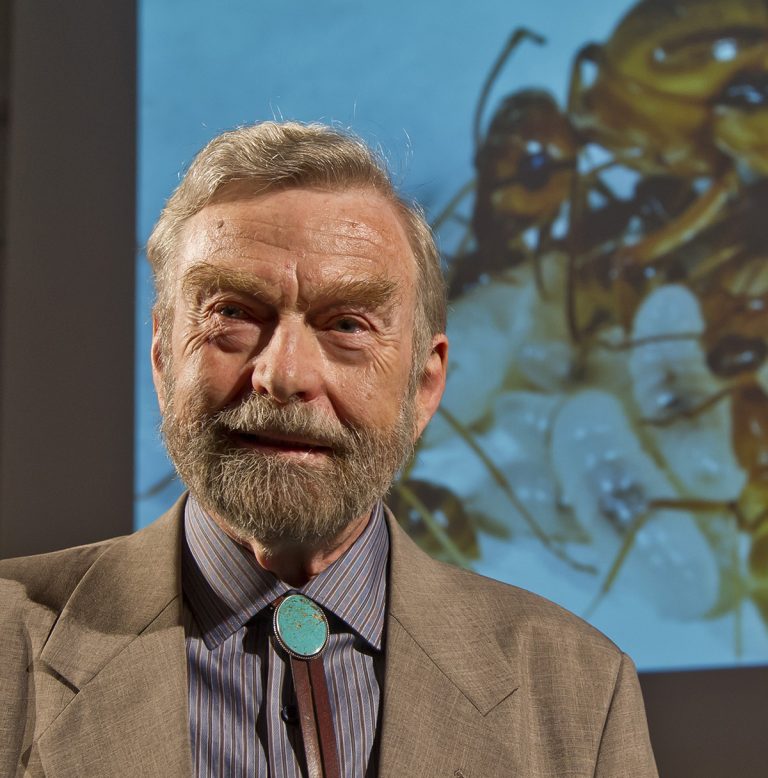
Bert Hölldobler
Emeritus Regents Professor, School of Life Sciences, Arizona State
University
Professor Bert Hölldobler is a sociobiologist and evolutionary biologist who studies the
evolution and social organization in ants. He is the author of several books, including The
Ants, for which he and his co-author, E. O. Wilson received the Pulitzer Prize for non-fiction writing in 1991.
Bert Hölldobler and his research team explore the behavioral, chemical and neurobiological mechanisms that underlie communication and division of labor systems in ant societies. They also investigate how separate ant colonies communicate with one another during territorial interactions and they explore how the complex multimodal communication codes in ant societies have been broken by a variety of solitary arthropods, which live as parasites inside ant colonies. This multi-faceted research has resulted in many new discoveries about multimodal communication and orientation behavior in animals, the dynamics of social structures and the evolution of animal societies. Bert Hölldobler was named Professor of Zoology at the University of Frankfurt in 1971. From 1973 to 1990 he was Professor of Biology and Alexander Agassiz Professor of Zoology at Harvard University in Cambridge, Massachusetts. In 1989 he returned to his native Germany to accept the chair of behavioral physiology and sociobiology at the Theodor-Boveri-Institute of the University of Würzburg. From 2002 to 2008 Hölldobler was the Andrew D. White Professor at Large at Cornell University in Ithaca, New York. Since his retirement from his chair in Würzburg in 2004 Hölldobler has worked as a research professor in the School of Life Sciences at Arizona State University in Tempe, where he was University Professor and held the endowed Robert A. Johnson chair for Social Insects Research.After his retirement from these positions in2023, he was named Emeritus Regents Professor. He is an elected member of manyacademies, including the American Academy of Arts and Sciences, the US National Academy of Sciences, and the German National Academy of Sciences, Leopoldina.
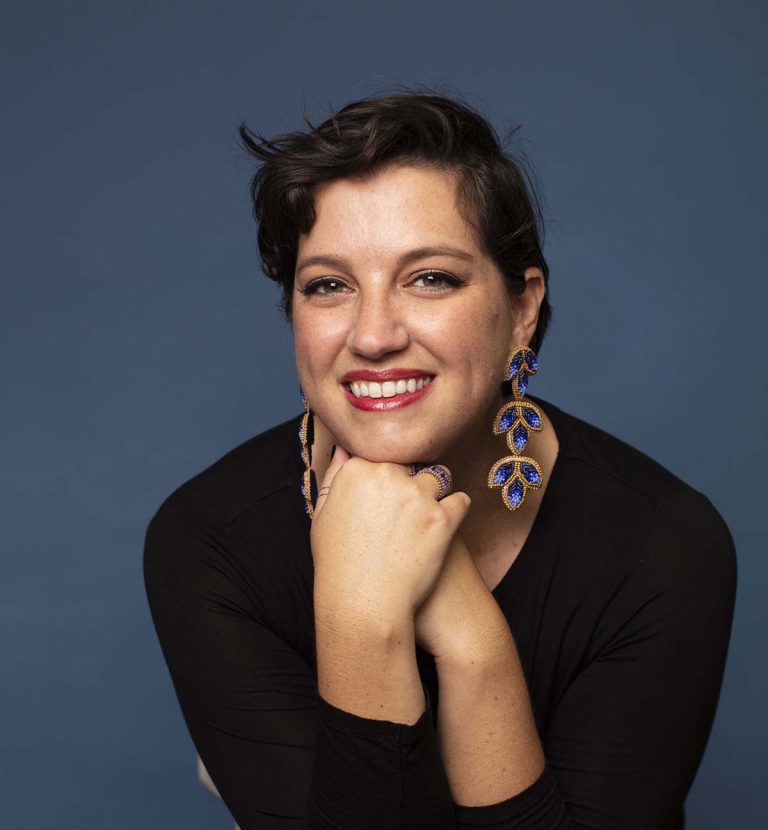
Adrienne Keene
Scholar, Writer, and Artist, Cherokee Nation
Adrienne Keene is a writer, scholar, and visual artist and a citizen of the Cherokee Nation. She is originally from southern California, and now lives on the Cherokee reservation in Tulsa, Oklahoma. She writes essays and books that explore how Native people are represented in popular culture, as well as utilizing themes of reclamation, reconnection, and Indigenous futurisms to examine the impacts of settler colonialism on her family. She is the creator and author of the blog Native Appropriations, the co-creator and former co-host of the All My Relations Podcast, and the author of Notable Native People: 50 Indigenous Leaders, Dreamers, and Changemakers from Past and Present (Ten Speed Press). Her essays and commentary have appeared in The New York Times, TIME Magazine, Stanford Magazine, Teen Vogue, Catapult Magazine, Indian Country Today, and others, as well as numerous academic journals and edited volumes. Her visual art practice explores traditional Cherokee art forms like basketry, beadwork, and twining with contemporary and found materials. She is currently a 2025-2027 Tulsa Artist Fellow.
Adrienne holds a BA in Native American Studies and Cultural Anthropology from Stanford University and a doctorate in Culture, Communities, and Education from the Harvard Graduate School of Education. Prior to her time as a Tulsa Artist Fellow, Adrienne was an Assistant Professor of American Studies and Ethnic Studies at Brown University, teaching courses in Indigenous studies.
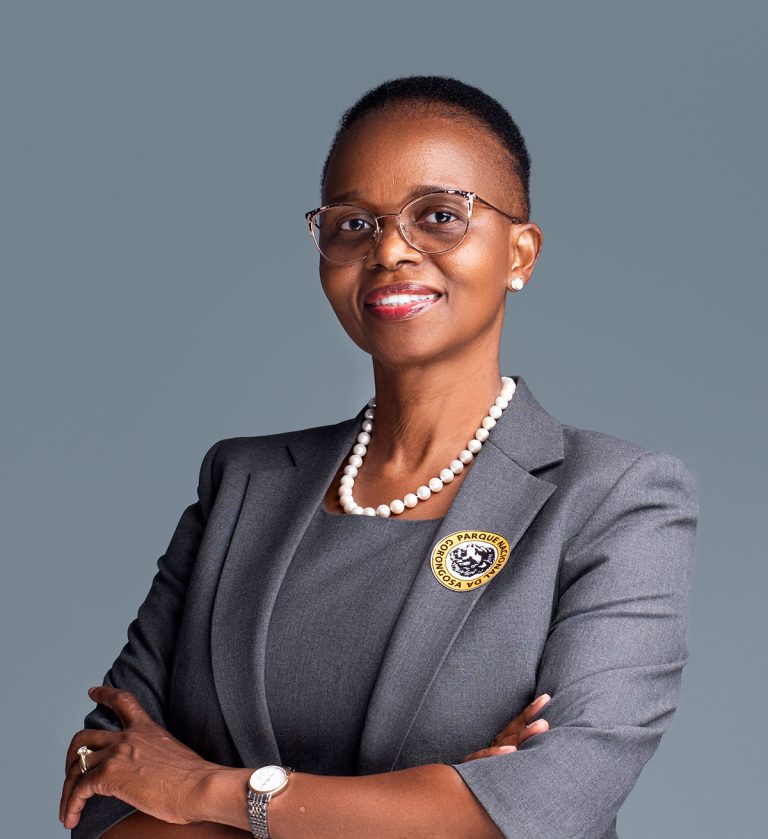
Aurora Malene
CEO and Chair of the Board, Gorongosa Restoration Project
Aurora Malene is CEO and Chair of the Board of the Gorongosa Restoration Project, the public private partnership between the Government of Mozambique and the Carr Foundation that leads
conservation, ecosystem restoration, and community development across Gorongosa National
Park and its surrounding Sustainable Development Zone.
A development finance professional with more than 25 years of experience, Aurora has held senior leadership and governance roles across banking, development finance, and regional institutions in Southern Africa, with a focus on expanding economic opportunity through agriculture, entrepreneurship, inclusive finance, and innovative financing solutions — and a particular commitment to women and girls.
Since joining Gorongosa in 2021, she has advanced its integrated vision linking ecosystem health
to education, health, livelihoods, and opportunity for the communities who share the landscape
with the park’s wildlife — a model increasingly cited as a reference for how conservation and
human development can reinforce each other.
Aurora holds a Master’s degree in Development Finance from Stellenbosch University, a degree
in Business Management from the Polytechnic University of Mozambique, and a certification in
Project Management from the University of Cape Town.
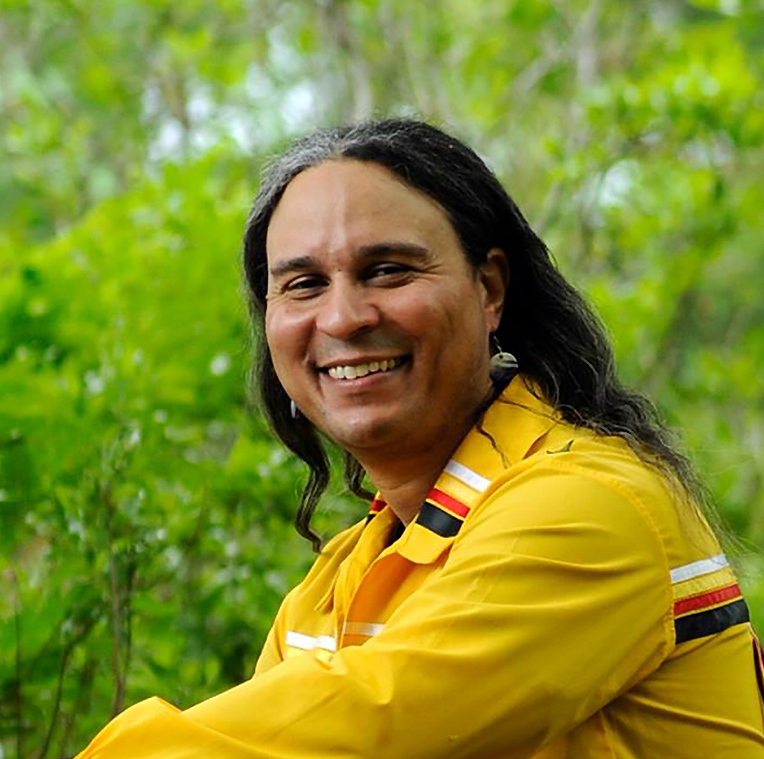
Larry Spotted Crow Mann
Award-Winning Author, Playwright, Musician, Cultural Educator, Storyteller & Citizen of the Hassanamisco Nipmuc Tribe
Larry Spotted Crow Mann is an enrolled citizen of the Hassanamisco Nipmuc Band of Massachusetts and a multi-talented Indigenous artist whose career spans more than three decades. He is an award-winning writer, poet, cultural educator, traditional storyteller, tribal musician, dancer, and motivational speaker whose work centers around cultural and environmental awareness, spirituality, youth sobriety, and Indigenous education.
Mann is the director and founder of the Ohketeau Cultural Center, the first all-Indigenous-run and operated center in Western and Central Massachusetts. His writings, music, and cultural sharing have taken him to many parts of the world, helping bring awareness to the history and living presence of Indigenous people today.
Interwoven in Mann’s story is how he overcame addiction at the age of 21. Now sober for more than 30 years, he draws on his experiences to help Native youth find pathways to healing and a better life.
Mann has served as a board member of Nipmuc Cultural Preservation and as a Review Committee Member for the Native American Poets Project at the Peabody Museum of Archaeology and Ethnology at Harvard University. He also serves on Governor Maura Healey’s Indigenous Advisory Council on Environmental Justice.
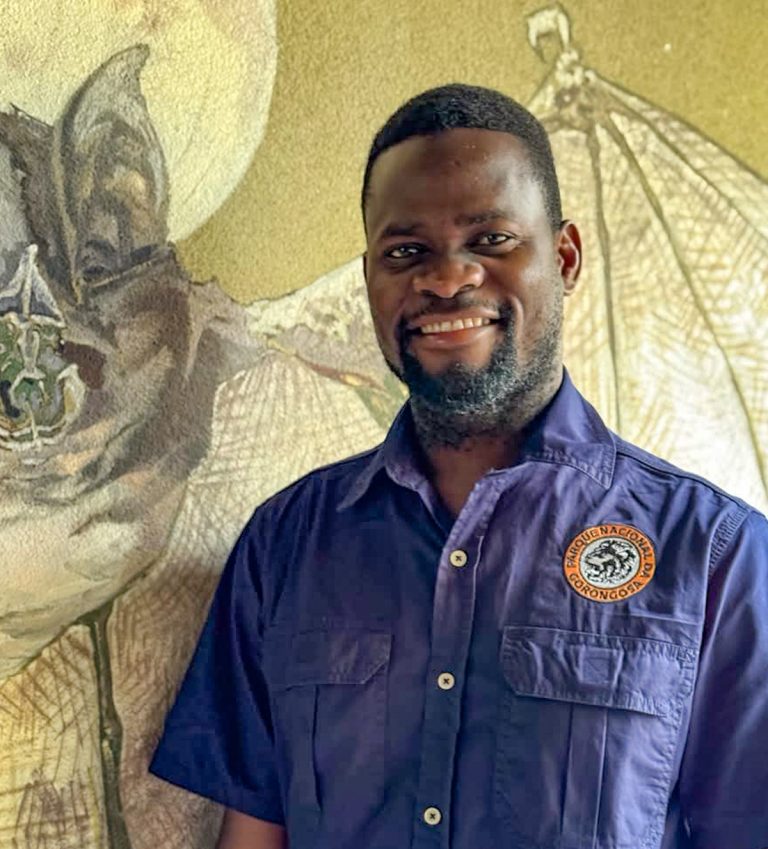
Jacinto Mathe
Associate Director of E.O. Wilson Biodiversity Laboratory, Gorongosa National Park
Dr. Jacinto Mathe is a veterinarian, biological anthropologist, and conservationist whose
research integrates veterinary medicine, osteology, taphonomy, and conservation
palaeobiology to understand mortality, environmental stressors, and ecological change across
African ecosystems, particularly Gorongosa National Park, Mozambique.
He holds a PhD in Biological Anthropology from the University of Oxford, an MSc in Forensic
Anthropology from the University of Coimbra, and a BSc in Veterinary Medicine from
Eduardo Mondlane University. His association with Gorongosa began in 2016, progressing
from conservation intern and Gorongosa Biodiversity Research Fellow to Research Manager
and, since May 2026, Associate Director of the E.O. Wilson Biodiversity Laboratory.
His contributions include establishing Gorongosa’s first modern osteological reference
collection, developing research data-management systems, coordinating scientific research,
and mentoring emerging scientists. He has received competitive funding from the Leakey
Foundation, National Geographic Society, Boise Trust, and Gulbenkian Foundation.
In his current role, Dr. Mathe supports scientific leadership, research coordination, and capacity
building, contributing to the E.O. Wilson Biodiversity Laboratory’s continued development as
a leading centre for biodiversity science, conservation, and education in Africa.
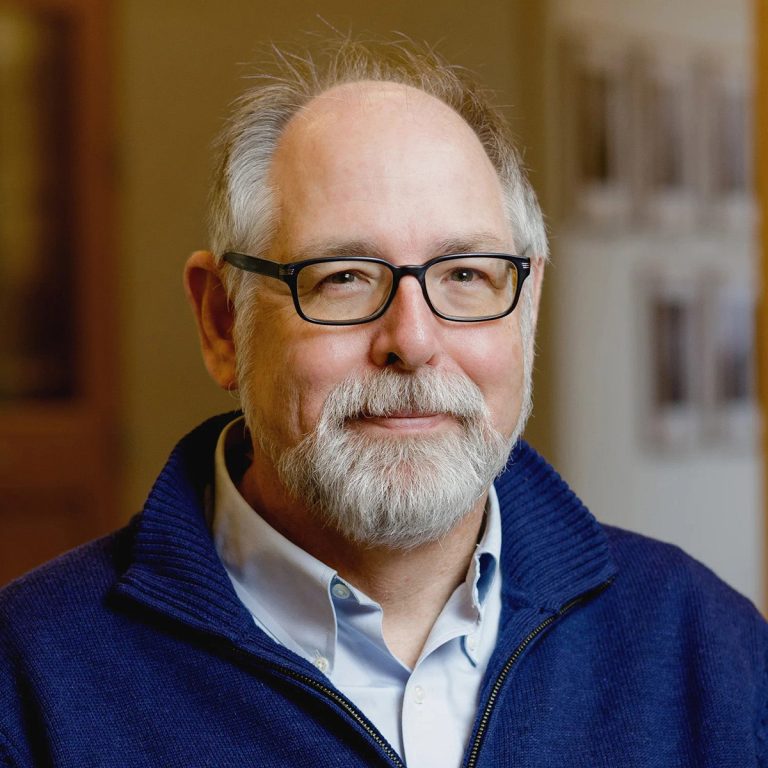
Andrew Mergen
Emmett Assistant Clinical Professor of Environmental Law; Faculty Director, Emmett Environmental Law & Policy Clinic
Andrew Mergen is the Emmett Assistant Clinical Professor of Environmental Law and Faculty Director of the Emmett Environmental Law & Policy Clinic. Prior to joining the Harvard Law School faculty, Andrew Mergen served in the Appellate Section of the Environment & Natural Resources Division (ENRD) at the United States Department of Justice. Professor Mergen began his career at the Justice Department in the Honors Program and concluded his career as Chief of ENRD’s Appellate Section. He has presented oral arguments in all 13 federal courts of appeals, including two en banc courts, and before several state intermediate and supreme courts. He has also worked on over a dozen merits cases in the Supreme Court of the United States. In addition, in 2009, Professor Mergen assisted the Office of White House Counsel on the confirmation of the Honorable Sonia Sotomayor as Associate Justice of the Supreme Court. During his career at the Justice Department, Professor Mergen received the Attorney General’s Award for Distinguished Service three times. He also received ENRD’s Muskee-Chafee Award, honoring his work’s significant contribution to protecting the environment.
Before entering clinical teaching, Professor Mergen taught at several law schools including Harvard Law School (Advanced Environmental Law), the University of Michigan Law School (Natural Resources Law) and the William S. Richardson School of Law, University of Hawaii-Manoa (Administrative Law). Professor Mergen has written about federal water rights, energy development on public lands, climate change and the Endangered Species Act, and the accommodation of Native American sacred sites on federal land. Professor Mergen is a graduate of the University of Wisconsin—Madison and the George Washington University Law School.
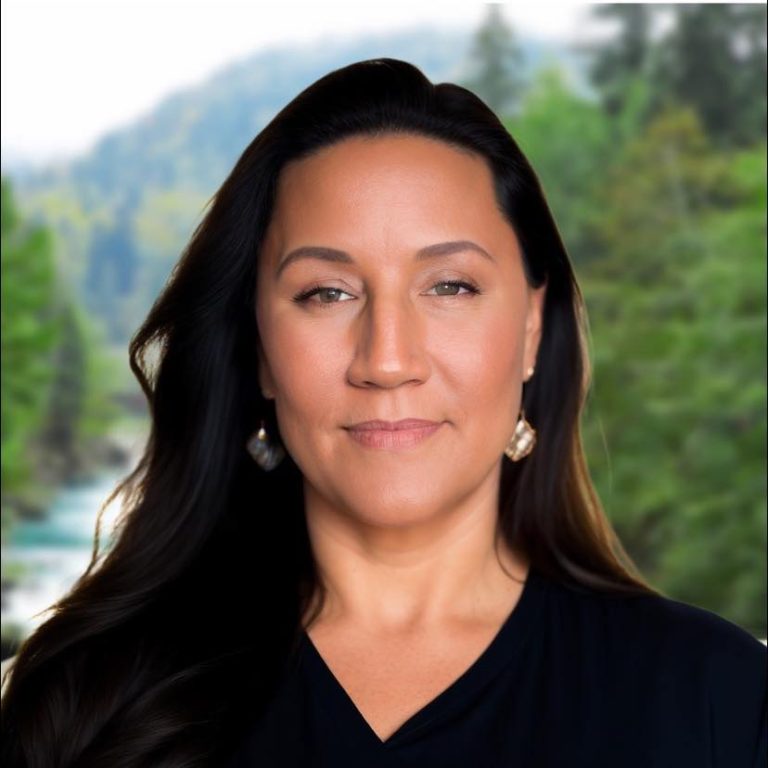
Sherri Mitchell Weh’na Ha’mu Kwasset
Indigenous attorney, activist, and author, Penobscot Nation
Sherri Mitchell Weh’na Ha’mu Kwasset, is an Indigenous author, attorney, and teacher from the Penobscot Nation. Her family is Bear Clan from the Penobscot Nation and Crow Clan from the Passamaquoddy Tribe at Sipayik. She is a graduate of the University of Arizona College of Law with a specialty in Indigenous Peoples Law and Policy. She is an alumna of the Udall Native American Congressional Internship Program and the American Indian Ambassador Program.
Sherri is the author of the award-winning book, Sacred Instructions; Indigenous Wisdom for Living Spirit-Based Change and the upcoming Rise Wild. She is a contributor to more than a dozen anthologies, including the best sellers, All We Can Save: Truth, Courage, and Solutions for the Climate Crisis, and My life: Growing Up Native in America.
Sherri is the founding Director of the Land Peace Foundation, an Indigenous led organization that offers in-depth educational programs on Indigenous leadership, and environmental justice, as well as hosting large-scale cultural, spiritual, and healing gatherings that bring people together from around the world. Sherri was a key member of the development team for the ACE Mandate of the U.N. Framework Convention on Climate Change (UNFCCC) and a co-coordinator of two National BIPOC Climate Dialogues. She also helped develop and facilitate an eight-part series with the Global Council on Science and the Environment for more than 2000 environmental scientists, scholars, and activists from more than 40 countries focusing on meaningful engagement with Traditional Indigenous knowledge and meaningful relationship building with Indigenous Peoples.
Sherri currently serves as a Trustee for the American Indian Institute; sits on both the Global Indigenous Advisory Council and the North American Advisory Council of Nia Tero’s Indigenous Land Guardianship Program and is a board member for the Post Carbon Institute.
She is the recipient of several human rights and humanitarian awards and her portrait is featured in Robert Shetterly’s esteemed portrait series – American’s Who Tell the Truth. She is also the central convener of numerous healing gatherings including Healing the Wounds of Turtle Island, a global gathering that has brought together more than fifty-thousand people from six continents to learn from Indigenous spiritual elders from across the globe.
Sherri is a provocative teacher who challenges us to look deeply into the patterns of our own lives and those that surround us.
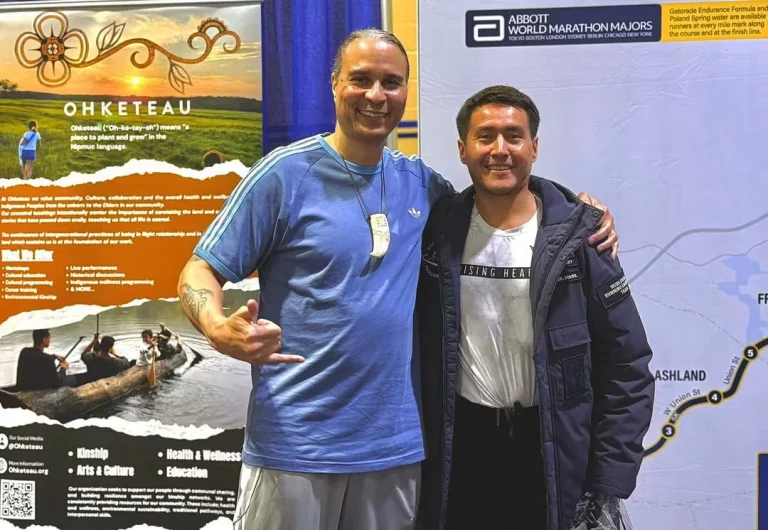
Ohketeau Cultural Center
Ohketeau (“Oh-ke-tay-oh”)—meaning “a place to plant and grow” in the Nipmuc language—is a Native-founded and run cultural center in Central and Western Massachusetts, and the North Shore of Massachusetts. Through traditional workshops, youth programs, community gatherings, and cultural events, the Center uplifts Indigenous voices and supports the health, wellbeing, and cultural continuity of Native communities across New England and around the country.
Joining us from Ohketeau Cultural Center are youth dancers Adeline Spears and Byron Gonsalves.
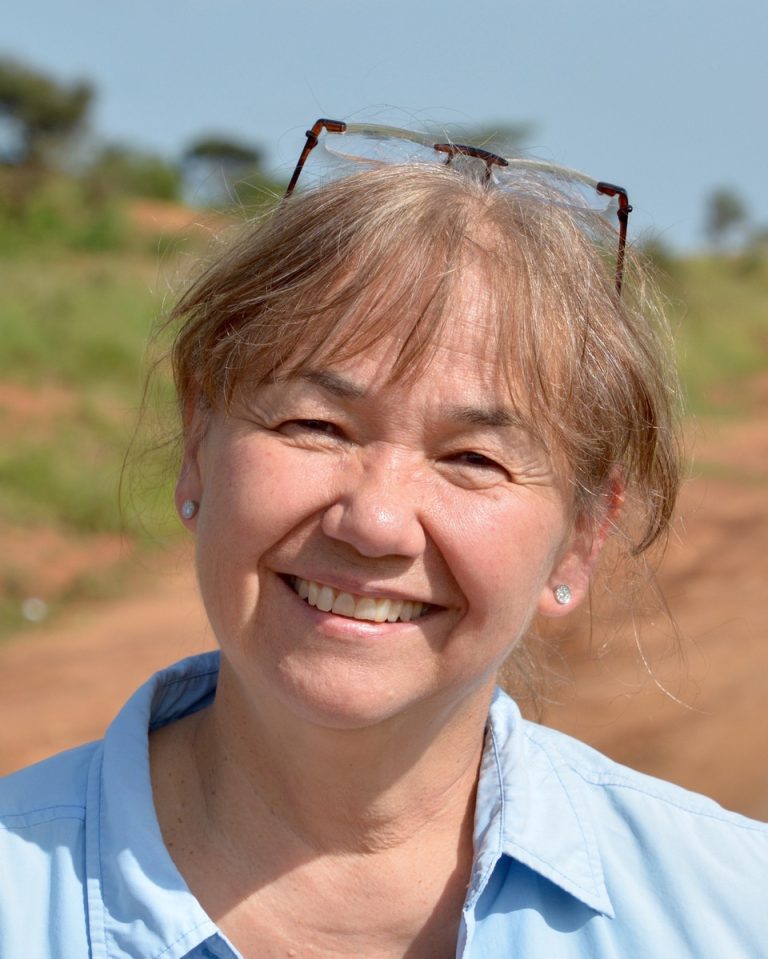
Naomi E. Pierce
Sidney A. and John H. Hessel Professor of Biology, Curator of Lepidoptera, Harvard Museum of Natural History
Naomi Pierce is Hessel Professor of Biology in the Department of Organismic and Evolutionary Biology at Harvard University, and Curator of Lepidoptera in the Museum of Comparative Zoology (MCZ). She studies the evolution of species interactions, particularly between insects and plants, and between ants and their many symbionts. Recent work has focused on pollination, herbivory, sexual selection, and sensory perception in butterflies and moths. She is also actively involved in imaging and digitizing the Entomology Collections of the MCZ. Pierce received her PhD from Harvard and was a postdoctoral fellow at Griffith University in Brisbane, Australia and Research Lecturer at Christ Church, Oxford in the UK. She was an Assistant and Associate Professor at Princeton University before joining the Harvard faculty in 1991. She is a member of the National Academy of Sciences and is a recipient of awards such as a MacArthur Fellowship, the International Prize for Biology, and a Lifetime Achievement Award from the Society for the Study of Evolution.
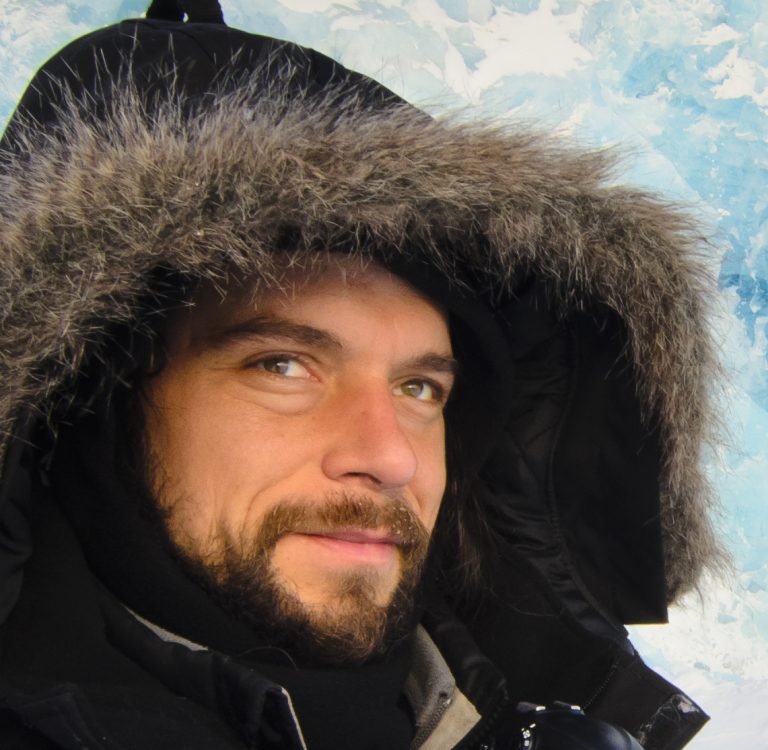
Florian Schulz
Director, Cinematographer, Photographer, Speaker
Florian Schulz, has dedicated his life to documenting some of the world’s last great wild places. Specializing in wildlife photography and wildlife filmmaking, he strives to capture an in-depth look at entire ecosystems. His work has sparked and supported comprehensive conservation campaigns on the Arctic and the Freedom to Roam movement on wildlife corridors, with the mission to protect some of the last great wilderness areas. The quality of his work is reflected in the widespread recognition he has received. His photography and film work has been broadly published from magazines like National Geographic to TV and streaming platforms of the likes of Netflix, NatGeo and BBC in their most prestigious shows like Planet Earth III, Frozen Planet II and Our Universe . His awards range from “Environmental Photographer of the Year” to “Best Film” from the Giant Screen Academy for his recent IMAX film “The Arctic: Our Last Great Wilderness”. His tireless efforts to document and protect wilderness areas are fueled by an honest commitment to our environment and a love for the natural world.
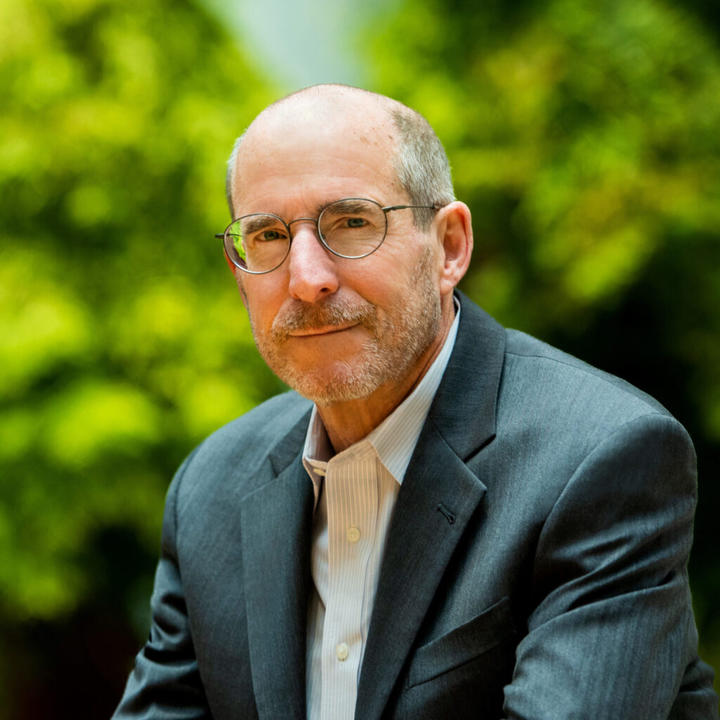
James H. Stock
Vice Provost for Climate and Sustainability, Harvard University; Director of the Salata Institute for Climate and Sustainability, Harvard University
James H. Stock is Vice Provost for Climate and Sustainability, Harvard University; the Harold Hitchings Burbank Professor of Political Economy, Faculty of Arts and Sciences; and a member of the faculty at the Harvard Kennedy School. His current research includes energy and environmental economics with a focus on fuels and on U.S. climate change policy. He is co-author, with Mark Watson, of a leading undergraduate econometrics textbook. In 2013-2014 he served as Member of President Obama’s Council of Economic Advisers, where his portfolio included macroeconomics and energy and environmental policy. He was Chair of the Harvard Economics Department from 2007-2009. He holds a M.S. in statistics and a Ph.D. in economics from the University of California, Berkeley.
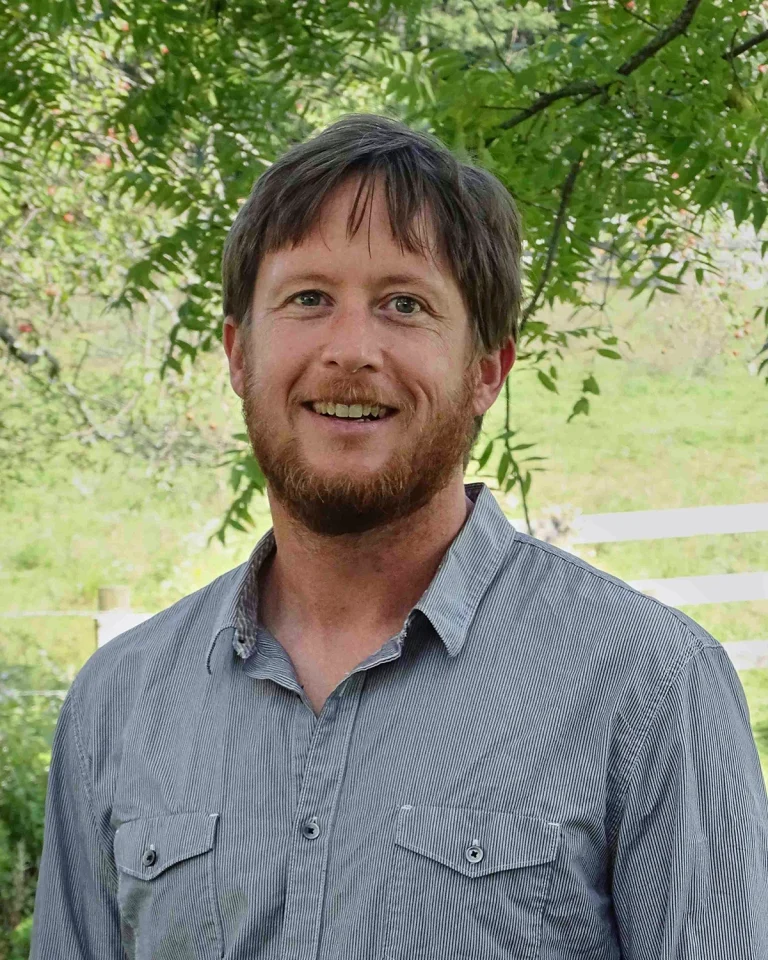
Jonathan Thompson
Director, Harvard Forest
Dr. Jonathan Thompson is the Director of the Harvard Forest, a research center of Harvard University. His research focuses on long-term and broad-scale changes in forest ecosystems, with an emphasis on quantifying how land use – including harvest, conversion, and land protection – affects forest ecosystem processes and services. He is the Principal Investigator for the Harvard Forest Long Term Ecological Research (LTER) program, sponsored by the National Science Foundation and involving more than 100 scientists and students investigating the dynamics of the New England landscape. He also leads the New England Landscape Futures project, which collaborates with diverse stakeholders from throughout the region to build and evaluate scenarios that show how land-use choices and climate change could shape the landscape over the next 50 years. Thompson holds a PhD in Forest Ecology (2008) and a MS in Forest Policy (2004) from Oregon State University.