
Half-Earth Day 2021
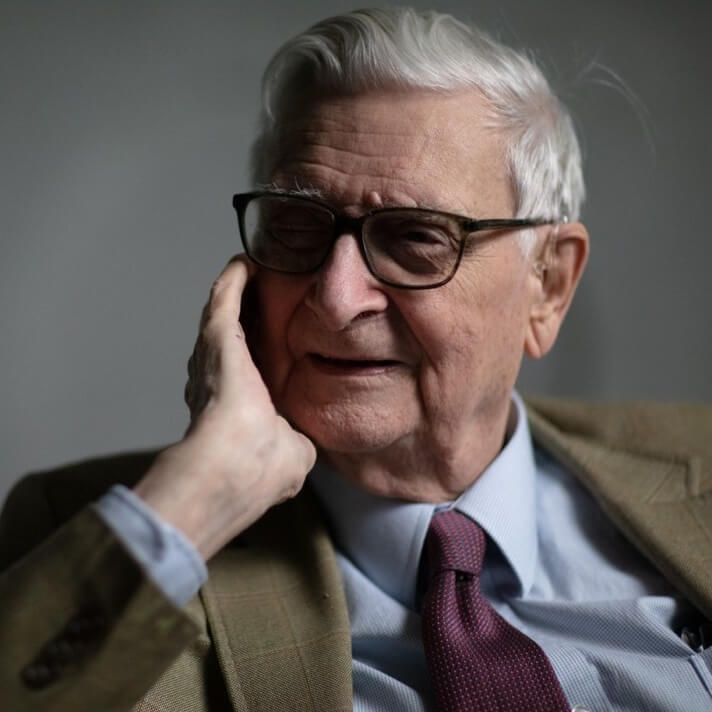
E.O. Wilson, Biologist and Naturalist
Edward O. Wilson is currently Honorary Curator in Entomology and University Research Professor Emeritus at Harvard University, Chairman of the E.O. Wilson Biodiversity Foundation Board of Advisors, and Chairman of the Half-Earth Council. He is generally recognized as one of the leading scientists in the world. He is also recognized as one of the foremost naturalists in both science and literature, as well as a synthesizer in works stretching from pure biology across to the social sciences and humanities. Wilson is acknowledged as the creator of two scientific disciplines (island biogeography and sociobiology), three unifying concepts for science and the humanities jointly (biophilia, biodiversity studies, and consilience), and two major advances in global biodiversity conservation (the Encyclopedia of Life and Half-Earth).
Among more than one hundred awards he has received worldwide are the U.S. National Medal of Science, the Crafoord Prize (equivalent of the Nobel, for ecology) of the Royal Swedish Academy of Sciences, and the International Prize of Biology of Japan; and in letters, two Pulitzer Prizes in non-fiction, the Nonino and Serono Prizes of Italy and COSMOS Prize of Japan. For his work in conservation, he has received the Gold Medal of the Worldwide Fund for Nature and the Audubon Medal of the Audubon Society. The authorized biography of E.O. Wilson, “SCIENTIST, Edward O. Wilson: A Life in Nature” by Richard Rhodes, is forthcoming in 2021 by Doubleday.
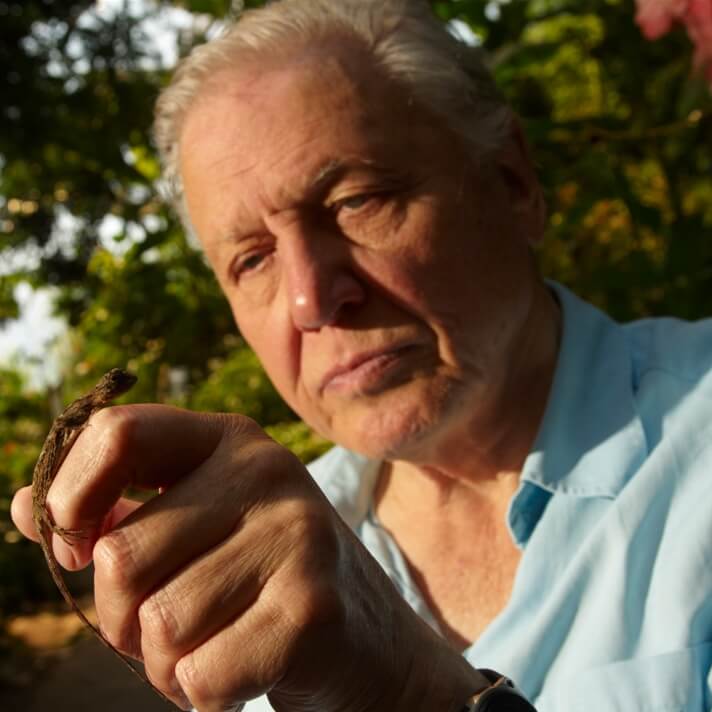
Sir David Attenborough, Broadcaster and Natural Historian, Former Senior Manager, BBC
Sir David Attenborough is a former senior manager at the BBC, having served as controller of BBC Two and director of programming for BBC Television in the 1960s and 1970s. His filmography as writer, presenter and narrator spans eight decades; it includes Zoo Quest, Natural World, Wildlife on One, the Planet Earth franchise, The Blue Planet and its sequel. He is the only person to have won BAFTAs for programs in black and white, color, high-definition, 3D and 4K resolutions.
While Sir David’s earlier work focused more on the wonders of the natural world, his later work has been more vocal in support of environmental causes. He has advocated for restoring planetary biodiversity, limiting population growth, renewable energy, reducing m
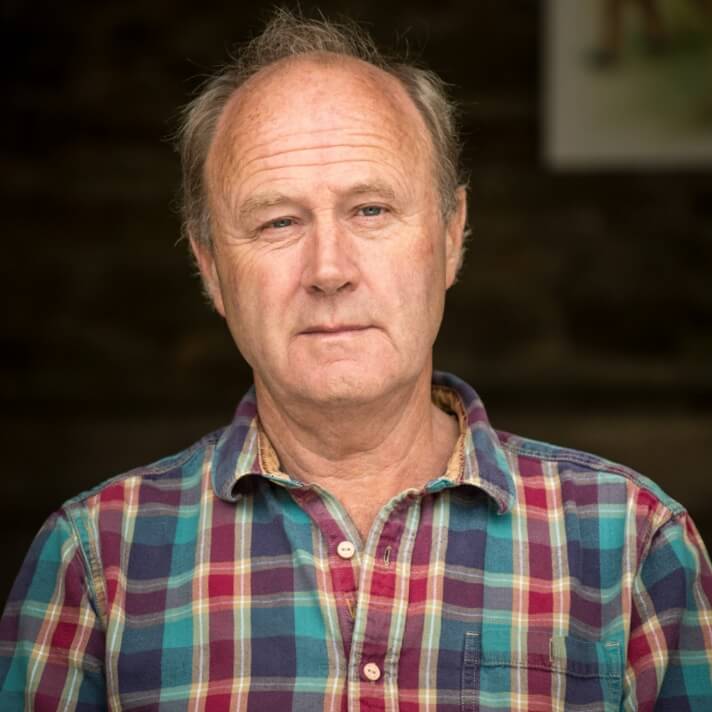
Sir Tim Smit, Co-Founder, Eden Project, Executive Vice Chair, Eden Project Ltd, Executive Chairman, Eden Project International Ltd
Sir Tim Smit is Co-founder of the Eden Project, Executive Vice Chair of Eden Project Ltd and Executive Chairman of Eden Project International Ltd. He was born in Holland on 25 September 1954. He read Archaeology and Anthropology at Durham University. Tim worked for ten years in the music industry as composer/producer in both rock music and opera. In 1987 Tim moved to Cornwall where he and John Nelson together ‘discovered’ and then restored the Lost Gardens of Heligan. Tim remains a Director of the gardens to the present day. The Eden Project began as a dream in 1995 and opened its doors to the public in 2000 when more than 22 million people came to see what was once a sterile pit turned into a cradle of life containing world-class horticulture and startling architecture symbolic of human endeavor.
Tim is a Trustee, Patron and Board Member of a number of statutory and voluntary bodies both locally and nationally. He has received a variety of national awards including The Royal Society of Arts Albert Medal (2003). In 2002 he was awarded an Honorary CBE in the New Years Honours List and in June 2012 he was appointed Knight Commander of the Most Excellent Order of the British Empire (KBE) by Her Majesty the Queen. He has received Honorary Doctorates and Fellowships from a number of Universities. Tim is also Executive Chairman for Eden Project Internati
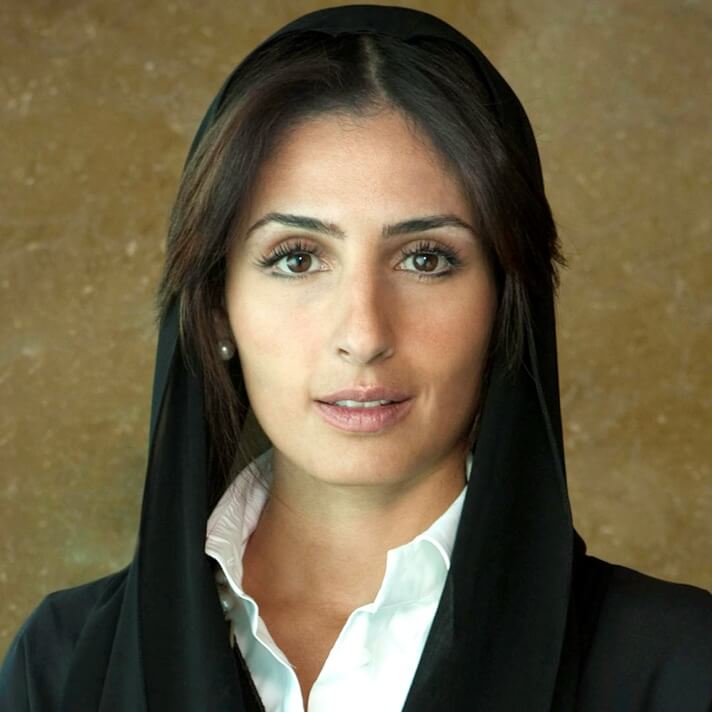
Razan Al Mubarak, President, International Union of Conservation of Nature
Razan Al Mubarak is President of the International Union for Conservation of Nature (IUCN), one of the world’s largest and best-known conservation institutions.
She is the first woman from the Arab world to head IUCN and only the second woman to lead the 73-year-old conservation organization composed of 1,400 government bodies and NGOs. The group is perhaps best known for its Red List of Threatened Species, which helps set conservation priorities worldwide. Razan is also the Managing Director of both the Environment Agency – Abu Dhabi and the Mohamed bin Zayed Species Conservation Fund.
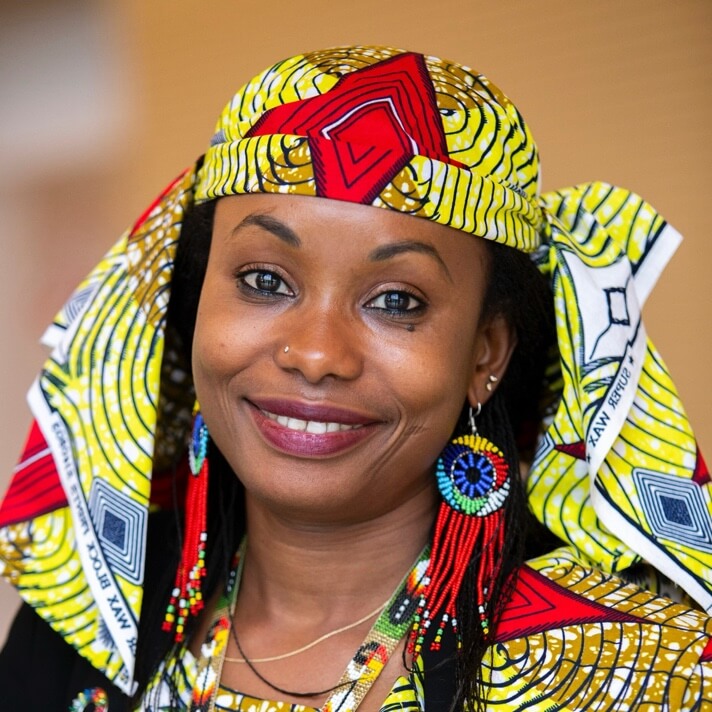
Hindou Oumarou Ibrahim, Coordinator, Peul Indigenous Women and Peoples Association of Chad, Co-Chair of the International Indigenous Peoples Forum on Climate Change, Member of the Executive Committee of the Indigenous Peoples of Africa Coordinating Committee (IPACC)
Hindou Oumarou Ibrahim (pronounced HIN-du U-ma-ru EE-bra-heem) is an indigenous woman from the Mbororo (BO-rorow) pastoralist community in Chad and an expert in adaptation and mitigation of indigenous peoples and women in relation to climate change, traditional knowledge, and the adaptation of pastoralists in Africa. She is a coordinator of the Peul Indigenous Women and Peoples Association of Chad, a co-chair of the International Indigenous Peoples Forum on Climate Change, and a member of the executive committee of the Indigenous Peoples of Africa Coordinating Committee (IPACC).
Hindou is also CSO panel member of the United Nations Convention to Combat Desertification, a policy board member of the United Nations Indigenous Peoples Partnership, a member of Reseau Climat & Development and REDD+ RPP Chad national committees, and a co-chair of the Pan-African Alliance Climate Justice. She has organized several international workshops in Chad focused on both science and traditional knowledge, and recently conducted a 3D participatory mapping project with UNESCO, IPACC, CTA, CI, and the government of Chad. She also successfully organized indigenous peoples to negotiate at the Paris Agreement for climate change. She works in French, English, Arabic, and her mother tongue, Fulfulde.
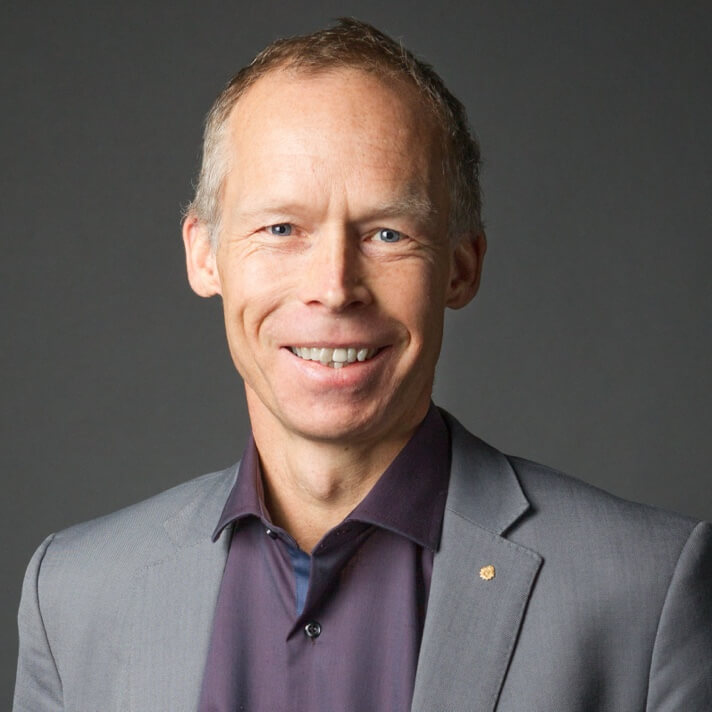
Johan Rockström, Director, Potsdam Institute for Climate Impact Research, Professor in Earth System Science, University of Potsdam
Johan Rockström is Director of the Potsdam Institute for Climate Impact Research and Professor in Earth System Science at the University of Potsdam. He is an internationally recognized scientist on global sustainability issues and led the development of the Planetary Boundaries framework for human development in the current era of rapid global change. Professor Rockström is a leading scientist on global water resources, with more than 25 years experience in applied water research in tropical regions, and more than 150 research publications in fields ranging from applied land and water management to global sustainability.
Johan is a member of European Commission expert group: Mission Board for adaptation to climate change including societal transformation, chair of the Earth Commission, Chief Scientist of Conservation International, and elected member of the German Academy of Sciences Leopoldina.

Paula J. Ehrlich, President and CEO, E.O. Wilson Biodiversity Foundation, Co-Founder, Half-Earth Project
Paula J. Ehrlich is President & CEO of the E.O. Wilson Biodiversity Foundation, whose purpose is to inspire informed collective action to save the biosphere. Dr. Ehrlich pioneers innovative approaches, leads strategic activities, and fosters collaborations that encourage a knowing stewardship of our world and inform worldwide protection of biodiversity.
Dr. Ehrlich is Co-Founder of the Half-Earth Project, the leading voice for E.O. Wilson’s Half-Earth call to protect half the land and sea in order to safeguard the bulk of biodiversity. Dr. Ehrlich has led the development of the Half-Earth Project Map, raising over $20M in support of this research endeavor to provide a global, spatially explicit, and taxonomically comprehensive high-resolution map of species distributions for use in conservation planning and public engagement with the goal of Half-Earth.
Dr. Ehrlich has over 30 years of strategic scientific management and research expertise, and diverse academic, non-profit, and corporate leadership experience. As CEO of the non-profit Drug Discovery Center of Innovation, she fostered strategic innovation in early drug development for unmet medical needs. A keen adventurer and explorer, Paula is an avid hiker, and has summited Mt Rainier. She has taught and done research as an equine orthopedic surgeon at universities in three countries, and has worked as a veterinarian to empower and support women’s cooperatives in Southern Sudan.
Kristine Tompkins, Co-Founder and President, Tompkins Conservation, UN Patron of Protected Areas
Kristine McDivitt Tompkins is the president and co-founder of Tompkins Conservation, an American conservationist, and former CEO of Patagonia, Inc. For nearly 30 years, she has committed her career to protecting and restoring wild beauty and biodiversity by creating national parks, restoring wildlife, inspiring activism, and fostering economic vitality as a result of conservation. As the president of Tompkins Conservation, Kristine Tompkins oversees a multitude of projects rewilding the Americas. Having protected approximately 14.7 million acres of parklands in Chile and Argentina through Tompkins Conservation and its partners, Kristine and Douglas Tompkins, her late husband, are considered some of the most successful national park-oriented philanthropists in history. Kristine Tompkins serves in various positions of global leadership in conservation, including as Chair of National Geographic Society’s Last Wild Places campaign. She was the first conservationist to be awarded the Carnegie Medal of Philanthropy. In 2018 she was named the United Nations’ Global Patron for Protected Areas. Her 2020 TED Talk, “Let’s Make the World Wild Again,” has millions of views.
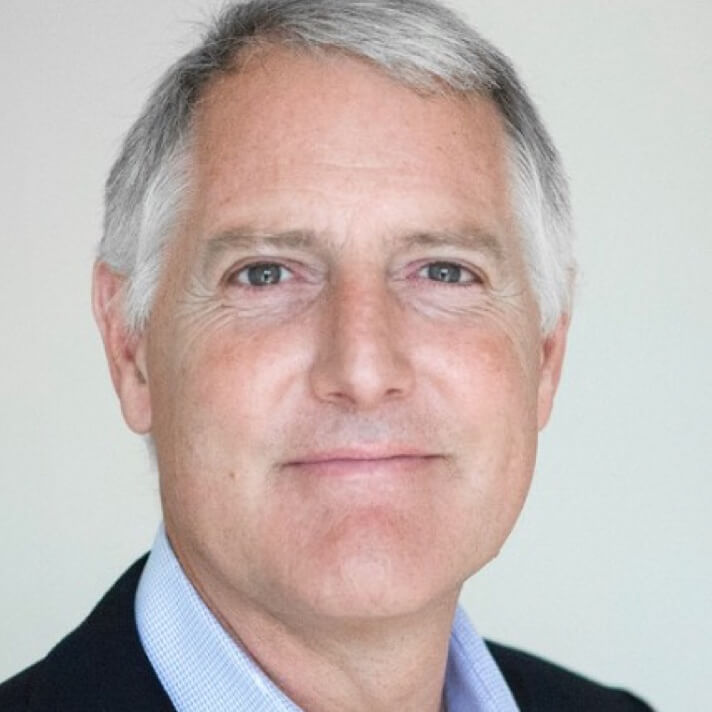
Keith Tuffley, Managing Director & Vice Chairman, Global Co-Head, Sustainability & Corporate Transitions, Citi
Keith is the Global Co-Head of Citi’s Sustainability & Corporate Transitions Group. In this role, Keith leads Citi’s sustainability engagement with its corporate clients, supporting them with strategic and M&A advice, financing and capital markets solutions, and investor engagement, as they transition their businesses towards more sustainable models.
Prior to Citi, Keith was the CEO of The B Team, an NGO comprised of a group of 24 CEO’s of global companies, leading entrepreneurs, and civil society leaders to drive a better way of doing business. Keith was an active participant in the Paris Climate Agreement process and the launch of the UN Sustainable Development Goals (SDGs), and led the creation of the first “net-zero companies” in 2015. He was a Founding Board Member of the We Mean Business climate coalition.
Keith was the Head of Investment Banking, a Partner, and Board Member of Goldman Sachs in Australia. He co-led the negotiations for the successful merger of Goldman Sachs Australia and JB Were, and then led the merged Investment Banking business as it grew to a top 3 position in the Australasian market. Prior to joining Goldman Sachs, he was a Managing Director at UBS in Australia. Keith commenced his career as a commercial lawyer for Allen Allen & Hemsley.
Keith is the Founder of impact investing company, NEUW Ventures SA; Chairman of the Global Footprint Network (National Footprint Accounts and Earth Overshoot Day); a Director of the EO Wilson Biodiversity Foundation (Half-Earth Project); a Governor of WWF Australia; a Global Ambassador for the Wilderness Foundation Global; a Senior Advisor to WILD11; and a member of the Rewilding Europe Circle.
He holds the following qualifications: Bachelor of Economics; Master of Laws (Sydney University); Advanced Management Program (INSEAD); Master of Studies in Sustainability Leadership (Cambridge University, UK).
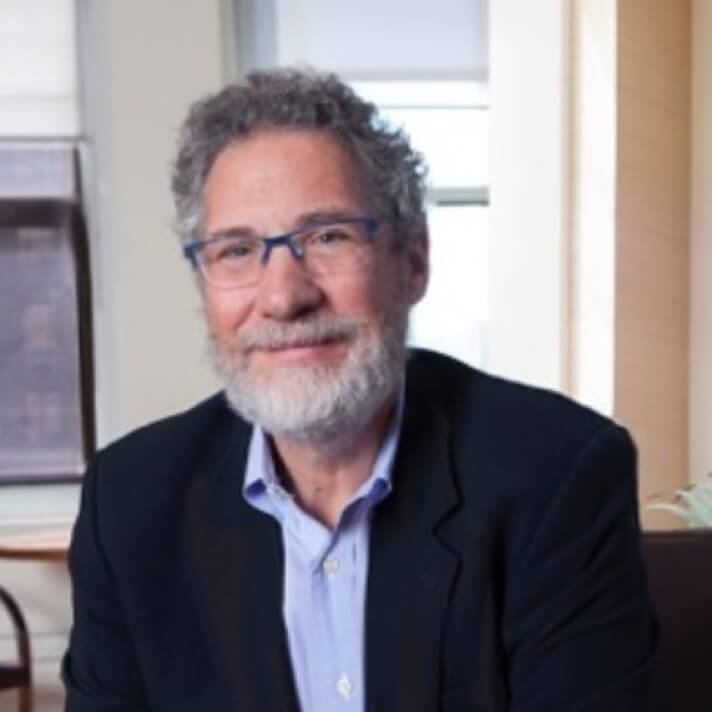
Jonathan F.P. Rose, Founder, Jonathan Rose Companies LLC, Co-Founder, Garrison Institute
Jonathan F.P. Rose’s business, public policy, teaching, research, writing and not-for-profit work focuses on creating more environmentally, socially, and economically resilient cities. In 1989, Mr. Rose founded Jonathan Rose Companies LLC, a multidisciplinary real estate development and investment firm, to address the challenges of the poor distribution of opportunity through the development of affordable and mixed-income housing. Mr. Rose also advises global cities on planning, affordable housing, environmental, and social issues. Mr. Rose’s book on how to create resilient cities, The Well-Tempered City: What Modern Science, Ancient Civilizations and Human Nature Teach Us About the Future of Urban Life, was published by Harper Wave in 2016, and won the 2017 PROSE Award for Outstanding Scholarly Work by a Trade Publisher. Mr. Rose is a Trustee of Enterprise Community Partners.
He and his wife Diana Calthorpe Rose are the co-founders of the Garrison Institute and he serves as Chair on its Board and leads its Pathways to Planetary Health program. He graduated from Yale University in 1974 with a B.A. in Psychology and Philosophy, and received a Master’s in Regional Planning from the University of Pennsylvania in 1980.

Anita McBain, Managing Director, Head of EMEA ESG Research, Citi
Anita McBain is Managing Director, Head of EMEA ESG Research at Citi. Prior to joining M&G, she held a variety of roles in buy-side and sell-side firms in the climate change and sustainability sectors as well as in fixed income research. She has lived and worked in Singapore, is a graduate of City University of London, holds an MBA from the University of Edinburgh, and has completed postgraduate studies in Sustainability at the University of Cambridge.
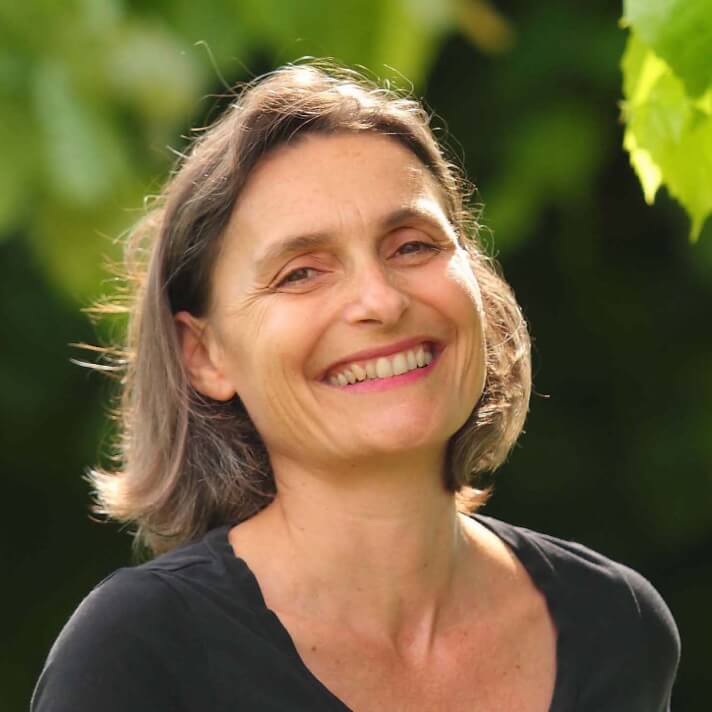
Delphine Malleret King, Director, The Long Run, UK
Dr. Delphine Malleret King is Director of The Long Run, a membership organization that supports a global network of tourism-based Privately Protected Areas (PPAs). It supports, connects, and inspires members to operate according to a holistic balance of The 4Cs — Conservation, Community, Culture, and Commerce, and delivers the leading Global Ecosphere Retreats® standard. Delphine studied Development Economics in France, and then carried out her postgraduate studies in marine conservation. She has worked for more than 20 years at the interface of government, community, and privately protected areas globally. Prior to joining the Long Run in 2014, she co-ran the Laikipia Wildlife Forum (Kenya) protecting the integrity of the Ewaso Ecosystem and supporting social and economic development.
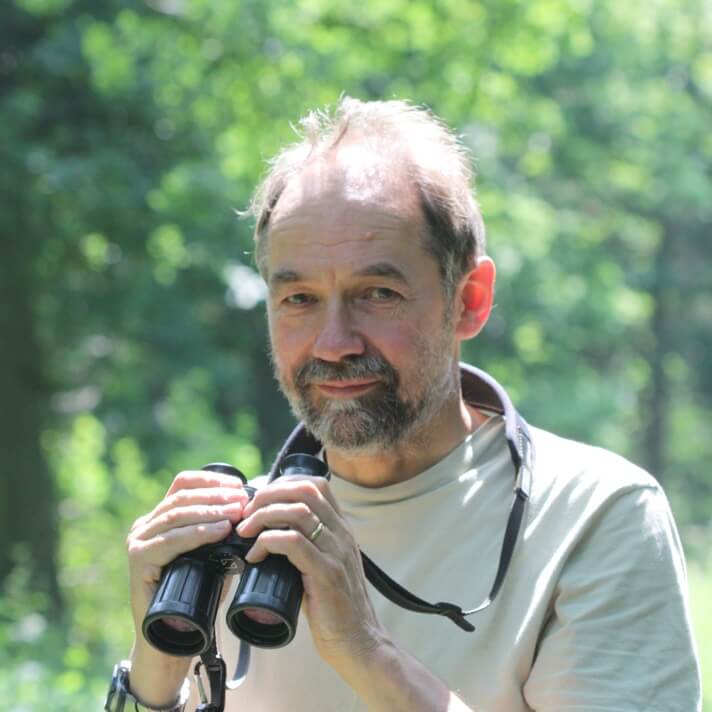
Bill Sutherland, Miriam Rothschild Chair in Conservation Biology, University of Cambridge, Professorial Fellow, St Catharine’s College
William Sutherland holds the Miriam Rothschild Chair in Conservation Biology at the University of Cambridge and is a Professorial Fellow in St Catharine’s College. Much of his original research was on applying ecological models to answer applied problems but over the last fifteen years he has focussed on improving the effectiveness of conservation practice especially though embedding evidence in policy and practice. With over a thousand collaborators the Conservation Evidence team have read 1.5 million paper titles in seventeen languages and reviewed the evidence for the effectiveness of 3155 conservation actions. He was part of a team that established the Cambridge Conservation Initiative comprising the University and nine conservation organisations now located in The David Attenborough Building in Cambridge where it provides space for 550 conservationists. He was president of the British Ecological Society, is a highly cited researcher, has written over 500 papers, is an author of six books and edited another nine. He was made a CBE in 2021 for Services to evidence-based conservation.
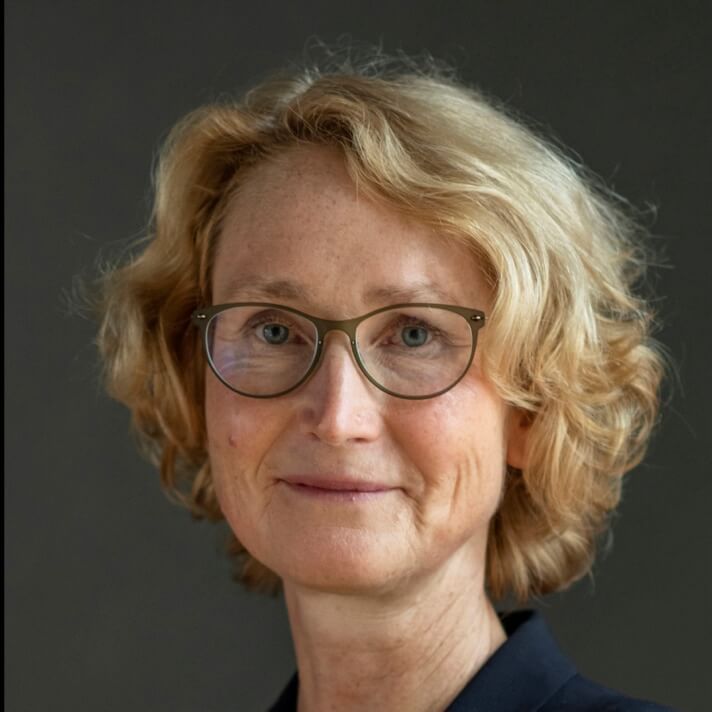
Katrin Böhning-Gaese, Director, Senckenberg Biodiversity and Climate Research Centre, Professor at Goethe University Frankfurt
Katrin Böhning-Gaese is director of the Senckenberg Biodiversity and Climate Research Centre, professor at Goethe University Frankfurt, and member of the directorate of Senckenberg. She is a member of the German Academy of Sciences Leopoldina, the “Akademie der Wissenschaften und Literatur Mainz”, and vice-president of the Leibniz Association.
Her research focuses on macroecology, community ecology, and social-ecological systems. She is interested in the influence of global change on animal communities, the relationships between animal communities, ecosystem functions and ecosystem services, and the relationships between biodiversity and human well-being in social-ecological systems. She has published more than 200 publications, including several well-cited publications in Nature, Science, and PNAS.
She has led and is leading large interdisciplinary research consortia, e.g. the DFG research unit “The role of nature for human well-being in the Kilimanjaro Social-Ecological System (Kili-SES)”. She is very engaged at the science-policy interface, for example as a spokesperson of a working group of the German Academy of Sciences Leopoldina which recently published recommendations on “Biodiversity and management of agricultural landscapes”. She is responsible for Senckenberg’s Science & Society program, and hence for the Senckenberg museums, citizen science projects, communication, scientific policy advice, and knowledge transfer.
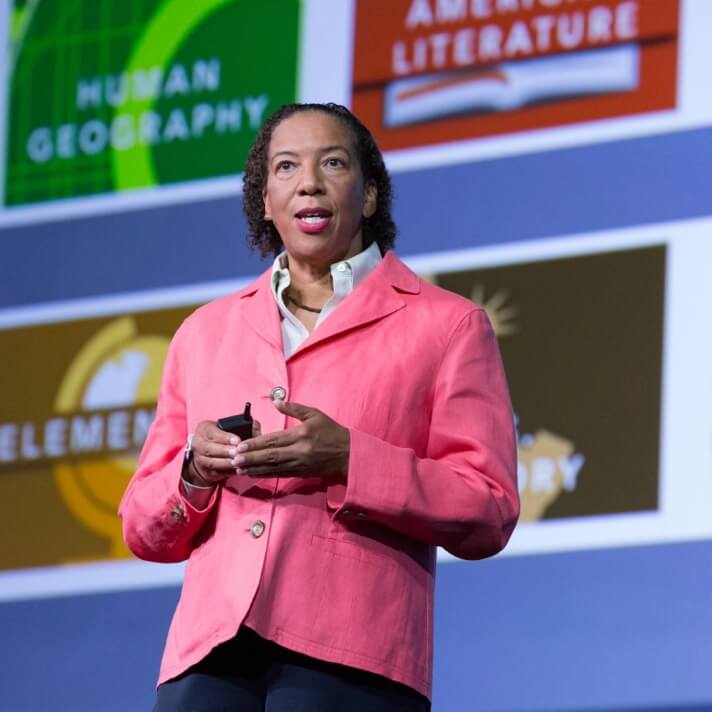
Dawn Wright, Chief Scientist, Esri, Board Member, E.O. Wilson Biodiversity Foundation
Dr. Dawn Wright is Chief Scientist of the Environmental Systems Research Institute (Esri), a world-leading geographic information system (GIS) software and data science company. Core to Esri’s mission is to inspire and enable people to positively impact their future by connecting them with the geo-analytic knowledge needed to make the critical decisions shaping the planet. Hence, Esri believes that geography is at the heart of a more resilient and sustainable future.
As Chief Scientist, Dawn is responsible for strengthening the scientific foundation for Esri software and services, while representing Esri to the international scientific community. As such, she has served on many advisory boards including the NOAA and EPA Science Advisory Boards, the National Academy of Sciences Ocean Studies Board, and the Science Advisory Boards of Conservation International, COMPASS Science Communication, and the Ocean Discovery XPRIZE. Dawn is also Professor of Geography and Oceanography at Oregon State University. In April 2021 she was elected to both the National Academy of Sciences and the American Academy of Arts & Sciences. She enjoys road cycling, 18th-century pirates, her dog Riley, and SpongeBob Squarepants. Follow her on Twitter @deepseadawn.
Eva Karlsson, CEO, Houdini Sportswear
Eva Karlsson is the CEO of Houdini Sportswear, a brand pioneering the outdoor clothing space by making truly circular business. With rental services, subscription services and 100% of the fabrics being utilized in this season’s range being recycled, recyclable, biodegradable or bluesign certified, Houdini is on a mission to change the trajectory of the industry. The latest project, Mono Air, has seen the creation of a fleece jacket which can be recycled and enormously reduces microplastic shedding. The design principles behind this jacket have been shared openly online, a first in the industry.
Jeff Ubben, Founder and Managing Partner, Inclusive Capital Partners, Board Member, E.O. Wilson Biodiversity Foundation
Jeff Ubben is a Founder, Managing Partner, and the Portfolio Manager of Inclusive Capital Partners. Mr. Ubben is a retired Founder of ValueAct Capital, where he was Chief Executive Officer, Chief Investment Officer, and Portfolio Manager. Mr. Ubben is also a Founder and served as Portfolio Manager of the ValueAct Spring Fund. Prior to founding ValueAct Capital in 2000, Mr. Ubben was a Managing Partner at Blum Capital Partners for more than five years. Mr. Ubben is a director of The Exxon Mobil Corporation, AppHarvest, Enviva Partners, LP, and Nikola Corporation. He is a former director of The AES Corporation, former chairman and director of Martha Stewart Living Omnimedia, Inc., and a former director of Catalina Marketing Corp., Gartner Group, Inc., Mentor Corporation, Misys plc, Sara Lee Corp., Twenty-First Century Fox Inc., Valeant Pharmaceuticals International, Willis Towers Watson plc, and several other public and private companies. In addition, Mr. Ubben serves on the boards of Duke University, World Wildlife Fund and the E.O. Wilson Biodiversity Foundation, and formerly served as Chair of the National Board of the Posse Foundation for nine years. Mr. Ubben has a B.A. from Duke University and an M.B.A. from the Kellogg School of Management at Northwestern University.
Andrew Whalley, Partner in Charge, Grimshaw Architects
Andrew Whalley has been an instrumental part of Grimshaw since the earliest days of the practice and has been Partner in Charge of projects in diverse sectors including education, performing arts, transportation, and workplace. His award-winning projects include the International Terminal at Waterloo, the Eden Project in Cornwall, the redevelopment of the historic Paddington Station in London and the Sustainability Pavilion for Dubai Expo 2020. In 2001, he played a key role in establishing the Grimshaw New York studio. Throughout his career, Andrew has had a passionate interest in Sustainability.
Andrew has been involved with academia throughout his career. This has included the Royal College of Art Industrial Design Department, The Bartlett, UCL and the Architectural Association. In the US, he has been a visiting Professor at Washington University and recently completed his appointment as Adjunct Professor at POLIMI Milano.
He is a member of RIBA, FRSA and was elected to the AIA College of Fellows for Design and was awarded an Honorary Doctorate of Letters from his alma mater, The Glasgow School of Art. The Consortium for Sustainable Urbanisation honored Andrew with their 2021 Champion Award. He is qualified as an architect in the UK and USA.
Andrew was appointed as Deputy Chairman in 2011 and succeeded Sir Nicholas Grimshaw as Chairman in June 2019; the Chairman’s Office is responsible for managing the practices core design ethos and long-term strategies.
Emmanuel Faber, Former Chair and CEO, Danone
Emmanuel Faber is the former Chair and CEO of Danone, a trailblazer for regenerative food and agriculture practices and social inclusion. He led the multinational company to become an environmental, social and governance leader, which culminated with the adoption by a 99% vote of shareholders of the new French status of Entreprise à Mission in 2020, and Danone to become yet the only stock market listed company in the world that reports its financial earnings on a scope-3 CO2-adjusted basis. Emmanuel is the founder and Chair of the One Planet Business for Biodiversity coalition, pushing for agricultural biodiversity and soil health, a founder of the G7 Business for Inclusive Growth coalition, co-chaired with OECD Secretary General. He is a member of the UK G7 Impact Taskforce and a member of the Transformational Economics Commission of the Club of Rome. He is also the former co-chair of the Consumer Goods Forum. Emmanuel is French, married with three children, and an avid rock climber and alpinist.
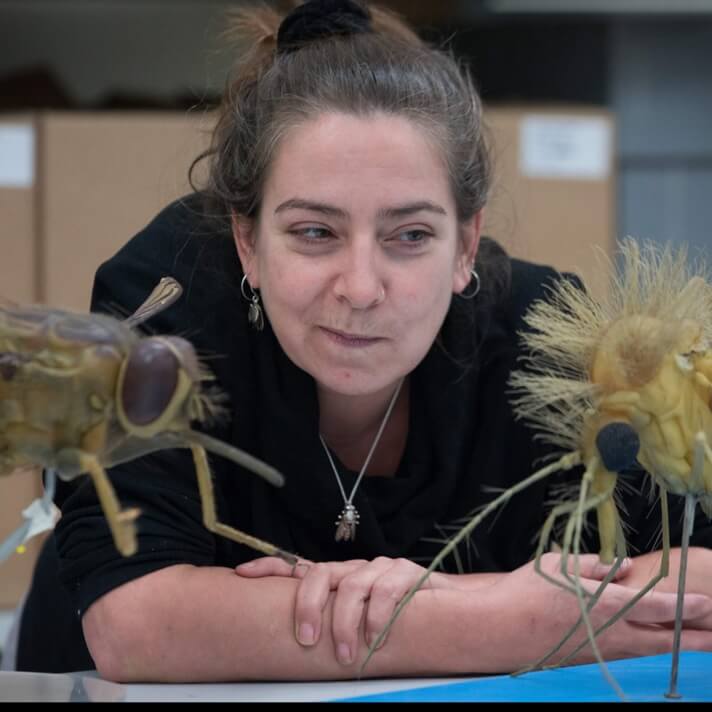
Erica McAlister, Senior Curator in Diptera (Flies) and Siphonaptera (Fleas), Natural History Museum, London
Dr. Erica McAlister Hon. FRES, is a senior curator in Diptera (Flies) and Siphonaptera (Fleas) at the Natural History Museum, London. Her current research includes working on the biodiversity of Flies of Dominica (new species descriptions and ecological interactions), Robber flies of South Australia, as well working on UK Diptera Biodiversity (including the Insects from Knepp rewilding Estate). She is part of a team researching non-destructive methods of DNA extraction of museum Mosquito specimens, an invaluable tool in unlocking historical data from the collection.
She lectures in several master’s courses and conducts outreach in schools to students of all ages. She regularly takes global trips to conduct field work where she is involved in both research and training. In addition to her research and teaching, she has written two popular science books on flies (The Secret Life of Flies, The Inside Out of Flies), has presented several radio shows on Insects (and appeared on many more), and is a huge advocate of scientific outreach – giving talks and presentations to Natural History Societies, research organizations and other scientific/non-scientific audiences.
She has just retired as President of the Amateur Entomologists’ Society but about to commence as the Chairperson of the Dipterists Forum – the UK society dedicated to the conservation and study of flies.
Walter Jetz, Scientific Chair, E.O. Wilson Biodiversity Foundation, Professor, Yale University
Walter Jetz is a Professor in the Ecology and Evolutionary Biology Department and the School of the Environment at Yale University as well as the founder and director of the Yale Center for Biodiversity and Global Change. His research addresses global biodiversity dynamics in a changing world and integrates ecological, evolutionary, geographical, and environmental perspectives. One particular focus is the use of new technologies and data flows to study biodiversity distributions and responses to change across scales. Dr. Jetz’s flagship projects include Map of Life, a research, education, and information platform addressing the global geographic distribution of species, the Half-Earth Project Map addressing global priorities for area-based conservation, and EarthEnv, encompassing near-global high-resolution environmental data for biodiversity applications. Walter Jetz is the Scientific Chair of the E.O. Wilson Biodiversity Foundation.
Dennis W. Liu, VP of Education, E.O. Wilson Biodiversity Foundation
Dennis Liu, PhD, is a nationally recognized expert in science education with a passion for helping diverse audiences engage in scientific inquiry and thinking. Dennis is Vice President of Education for the E.O. Wilson Biodiversity Foundation and the Half-Earth Project.
Prior to joining the Foundation, Dennis directed the production of educational media at the Howard Hughes Medical Institute for two decades. In his role as Executive Director of HHMI’s Tangled Bank Studios, he was executive producer and editorial advisor on over a dozen film projects for theatre, broadcast television, large screen, and digital science programs aimed at the general public. His work has received numerous awards and honors including Emmy nominations, The Pirelli Top Prize for the Diffusion of Scientific Culture and Thinking, recognition from Science Magazine, and several Aurora and Telly Awards. Dr. Liu has recently been elected the new President for the American Conservation Film Festival, a non-profit organization based in Shepherdstown, WV.
Liu was a zoology major at the University of Wisconsin, then received his Ph.D. in biology from the University of Oregon doing research in the Neuroscience Institute. Following postdoctoral studies, he was faculty in the department of genetics at University of Washington and then worked at Microsoft and VideoDiscovery developing multimedia science content.
Sam Kendall, Education Manager, Eden Project
Sam leads all of Eden Project’s work with schools, young people and their teachers and has done so since 2010. She’s been a member of Eden’s Education Team since the project opened in 2001, establishing Eden as a must-go school visit destination for schools across the UK and maintaining a focus on high quality teaching and learning across Eden’s learning programs – at Eden and online. Her passion is sharing Eden’s mission; to connect people with the living world and with each other to create a sustainable future for all. Following a first degree in Natural Science at Jesus College, Cambridge, she qualified as a primary school teacher, with science specialism, in 1997 and worked in schools in Bristol, Cornwall, Karachi and South Africa prior to joining Eden in 2001. She has recently completed a MSc in Environment and Human Health.
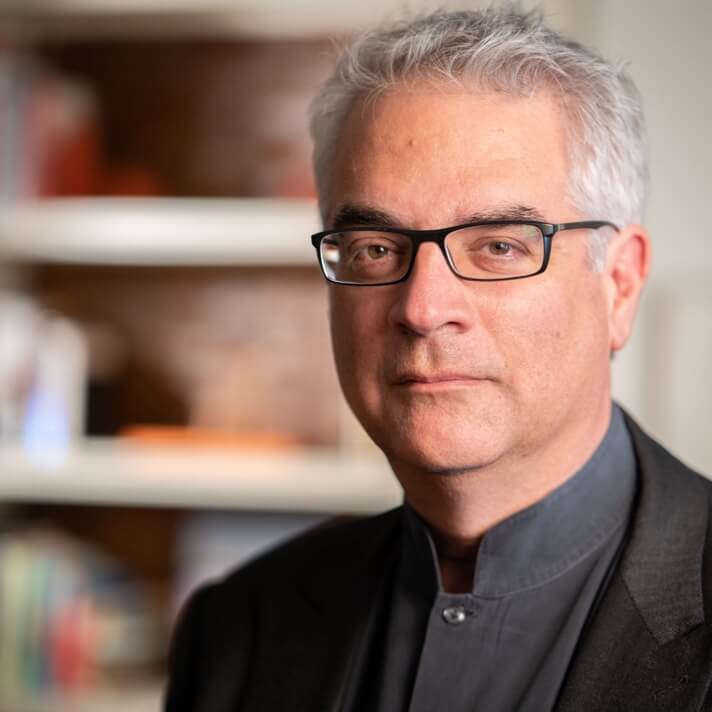
Nicholas Christakis, Sterling Professor of Social and Natural Science, Yale University
Nicholas A. Christakis, MD, PhD, MPH, is the Sterling Professor of Social and Natural Science at Yale University. His work is in the fields of network science, biosocial science, and behavior genetics. He directs the Human Nature Lab and is the Co-Director of the Yale Institute for Network Science. He was elected to the National Academy of Medicine in 2006; the American Association for the Advancement of Science in 2010; and the American Academy of Arts and Sciences in 2017.
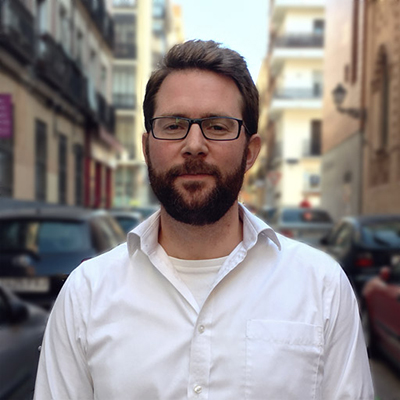
Craig Mills, CEO, Vizzuality
Craig Mills is CEO of Vizzuality, a mission-driven digital agency focused on climate change and biodiversity. Before joining Vizzuality, he spent 7 years working with the UN Environment Programme running technology projects across the world and the previous 7 years with the UK government undertaking marine geospatial research.
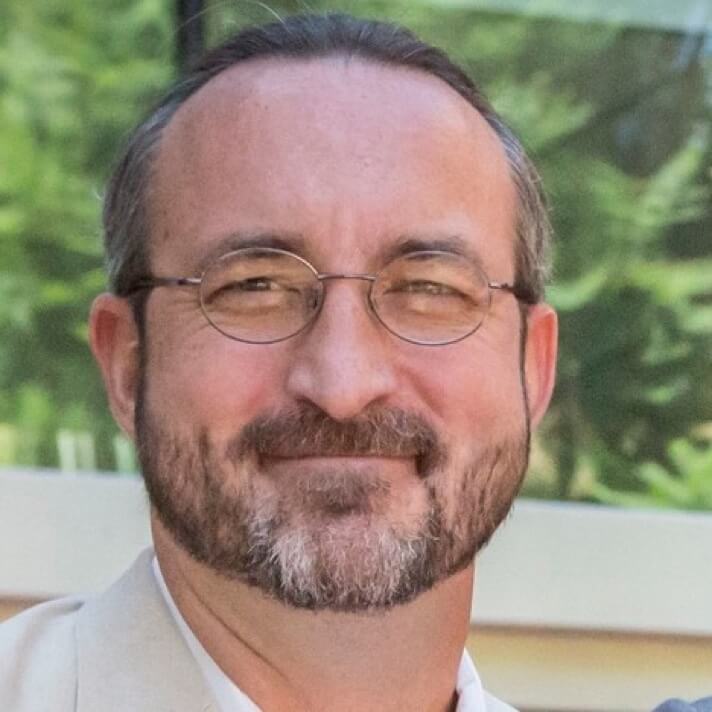
David Gadsden, Director of Conservation Solutions, Esri
David Gadsden, Esri’s Director of Conservation Solutions, is an applied geographer with more than two decades of experience applying geospatial technology to address complex humanitarian and conservation challenges. Gadsden earned a geography degree from the University of Washington in 1995 and later served as a US Peace Corps volunteer in rural Tanzania, working on community-based natural resource management. In his early career he architected and implemented GIS solutions to address environmental, social, public safety, emergency response and construction engineering challenges while working for both commercial and nonprofit organizations. In 2002, Gadsden joined Esri, where he initially served as a technical advisor to the United Nations, US Department of State, and USAID. He has helped a diverse community leverage the “Science of Where” to address complex challenges ranging from global health, disaster response, wildlife protection, green infrastructure, tribal governance, historic preservation and community development.
Ryan Perkl, Green Infrastructure Lead, Esri
Dr. Ryan Perkl is Esri’s green infrastructure lead, the industry practice lead for geodesign, the GeoPlanner product manager, and is a senior consultant on the natural resources team in the Professional Services Division. He provides thought leadership throughout Esri and manages a wide portfolio of environmentally focused consulting projects.
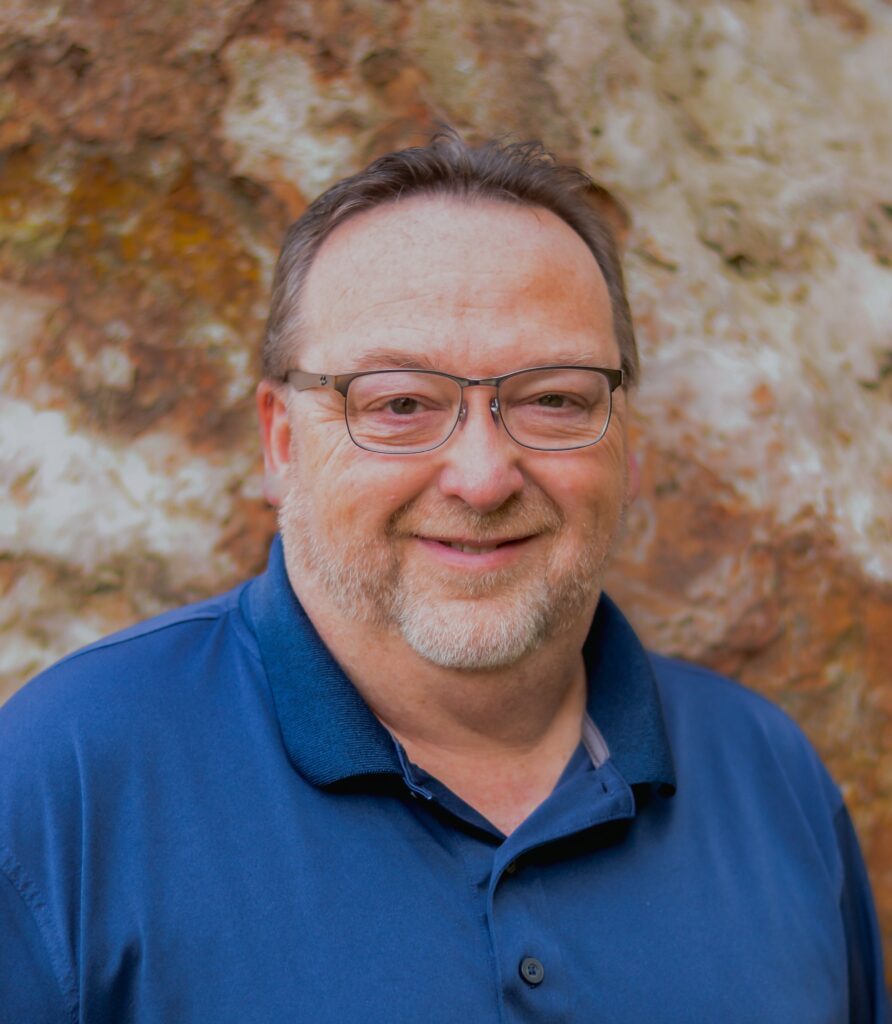
Sean Breyer, Program Manager, ArcGIS Living Atlas of the World, Esri
Sean Breyer is the Living Atlas of the World Program Manager for Esri. He and his team manage a massive collection of cloud-based ready-to-use content made available to the GIS community. Sean has been in the GIS industry for over 25 years, working in the federal space at Sandia National Labs, in state government as GIS Manager for the South Carolina Department of Commerce, and the commercial industry as GIS/IT Director at Rand McNally before moving to Esri. Sean is a strong advocate for GIS in the K-12 and supports many global conservation projects ranging from ecosystems mapping, climate change, flood prediction mapping, and the Half-Earth Project.
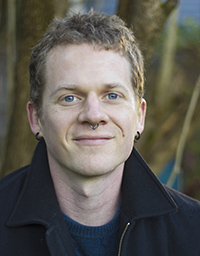
D. Scott Rinnan, Post-Doctoral Associate in Ecology and Evolutionary Biology, Yale University
Scott Rinnan is a Post-Doctoral Associate in Ecology & Evolutionary Biology at Yale University with a Ph.D. in Quantitative Ecology and Resource Management from the University of Washington.
Scott’s research uses conservation prioritization to identify areas of conservation importance, while incorporating global patterns of biodiversity, human pressures, and currently protected areas. His work provides spatially-explicit conservation objectives that facilitate the protection of all species, one of the primary goals of Half-Earth.
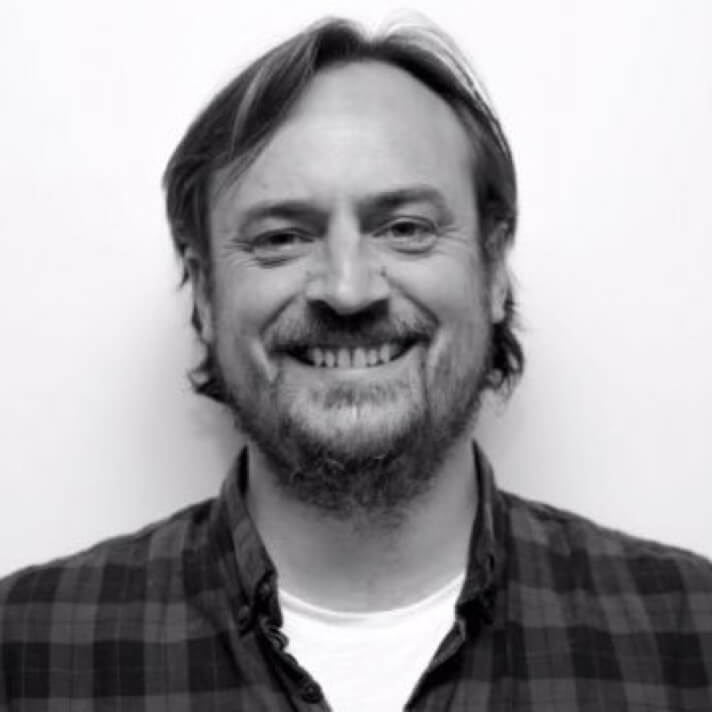
Dan Ryan, Environmentalist, Eden Project
The Eden Project is an educational charitable trust with a basecamp in Cornwall (UK) where an old quarry was transformed into a global garden and visitor destination. At Eden plants from all over the world are grown in vast geodesic greenhouses, or ‘biomes’ and in this audacious stage the mission is to connect people artfully and joyfully with nature to inspire more positive futures for all.
A biologist and science communicator by training Dan Ryan is an environmentalist based at the Eden. His career began many years ago as a tour guide and has since taken him around the world working on the grand challenges of our time; from waste and pollution, to climate change and biodiversity loss.
As an educator Dan runs Eden Project’s MSc Sustainability degree and is a regular teacher and lecturer on Eden’s various education programmes. He also consults with businesses, from trying to solve corporate sustainability challenges, to creating learning and leadership programmes for some of the world’s biggest companies.
Dan currently works for Eden Project International – the team responsible for creating new Eden Projects on every habitable continent of the world.

Allia Fredericks, London National Park City Ranger
Allia Fredericks runs the Keeping it Wild program at London Youth, an inclusive youth environmental social action project that provides opportunities for young people across London to engage in creative wildlife conservation and campaigning. She has a background working with young women & girls, LGBTQ youth and with CAMHS. Her greatest passion is creating spaces for young people to be heard, seen, supported to thrive, be creative and make a radical impact and change in the world and in their local environment.

Majdouline El Hichou, Founder, OUMMY AFRIKA
Majdouline El Hichou is an anthropologist and educator who is passionate about grassroots women’s empowerment, community development, and indigenous rights. She has lived in Africa and Latin America where she has spent most of her time doing field research and participatory community workshops with various indigenous communities around issues of preservation of culture, land and alternative reality construction. She is also the founder of OUMMY AFRIKA, an ethical fashion brand focused on the preservation of disappearing indigenous African textile traditions, while building collaborative and ecologically-rooted pieces of clothing and directly suppo
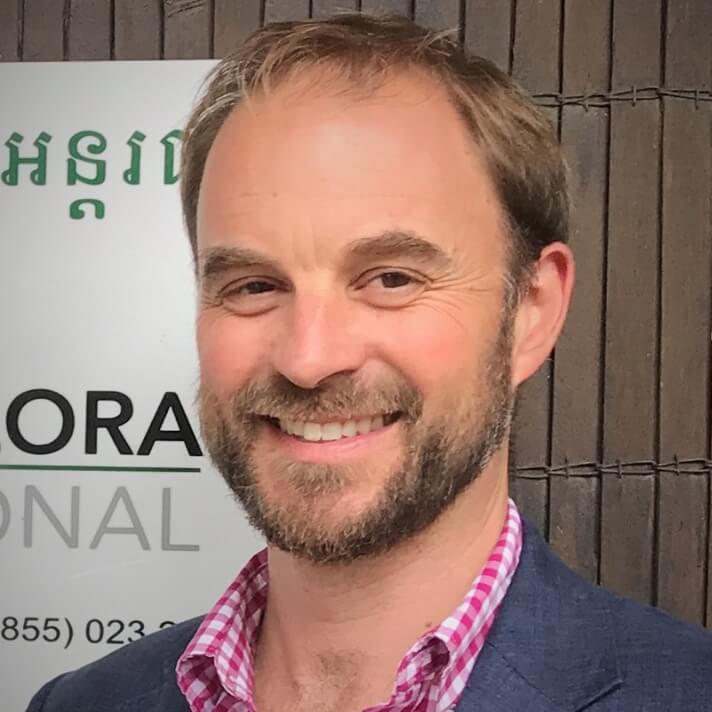
Matt Walpole, Strategy Design Advisor, WWF International
Matt Walpole advises on strategy design at WWF International, with a particular focus on area-based conservation.
An ecologist by training, Matt spent ten years at the Durrell Institute of Conservation and Ecology exploring human-wildlife conflict and coexistence in Africa and Asia. For a further ten years, Matt was based at UNEP-WCMC in Cambridge, developing and delivering global biodiversity indicators and assessments for the Convention on Biological Diversity and helping governments to mainstream biodiversity into wider development decision-making. Matt has occupied roles on various UN fora and for six years was a scientific adviser to the Ramsar Convention on Wetlands. He also directed the secretariat of the UK National Ecosystem Assessment, the first of its kind to explore the value of nature to society.
More recently, Matt worked at Fauna & Flora International, overseeing a varied suite of conservation efforts worldwide. He is a longstanding member of the judging panel of the World Responsible Travel Awards and has worked and travelled in over 70 countries.
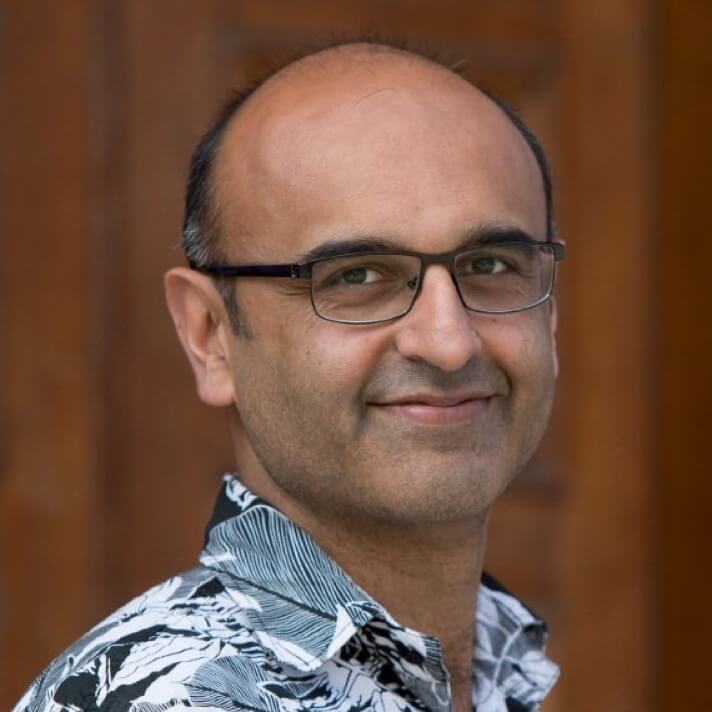
Yadvinder Malhi, Professor of Ecosystem Science, University of Oxford
Yadvinder Malhi is Professor of Ecosystem Science at the University of Oxford. His work focuses on the interactions between the biosphere and global change, with a particular focus on tropical biomes. He has conducted extensive fieldwork in tropical countries, and is founder of the Global Ecosystems Monitoring network, which conducts detailed studies of ecosystem processes and climate change in field sites ranging across Amazonia, Africa, and Asia. More broadly he is interested in the challenge of maintaining a flourishing and sustaining biosphere under the challenges of global change. He is a Fellow of the Royal Society, and was awarded a CBE in the 2020 Queens’ Birthday Honours for his work on ecosystem science. He is a Trustee of the Natural History Museum of London and President-Elect of the British Ecological Society.
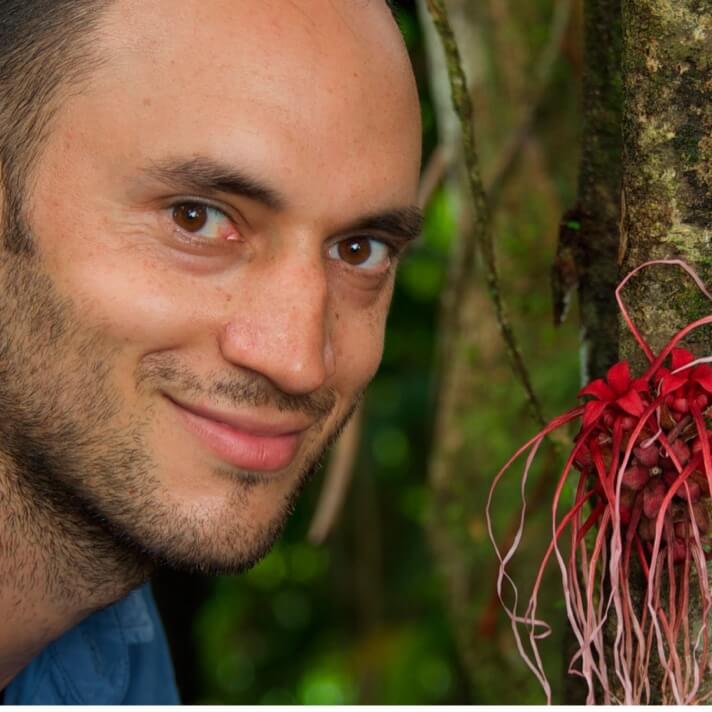
Alexandre Antonelli, Director of Science, Royal Botanic Gardens, Kew
Professor Alexandre Antonelli is the Director of Science at the Royal Botanic Gardens, Kew. He is also Professor in Biodiversity and Systematics at the University of Gothenburg in Sweden and Visiting Professor at the Department of Plant Sciences at the University of Oxford. He was the founder and first Director of the Gothenburg Global Biodiversity Centre, established during his time as Scientific Curator of the Gothenburg Botanical Garden.
Antonelli’s mission is the same as RBG Kew’s: to understand and protect biodiversity for the well-being of people and the future of all life on Earth. To this end, he studies the distribution, evolution, threats and sustainable uses of species and develops methods to speed up scientific discovery and innovation. His research focuses on the tropics, where most species occur and the threats are most acute. Most recently he has been particularly interested in the application of machine learning techniques for biodiversity research and conservation. He has published over 170 peer-reviewed scientific articles and book chapters and his work has been cited over 11,000 times.
You can read more about his work at antonelli-lab.net and kew.org/science/our-science/people/alexandre-antonelli
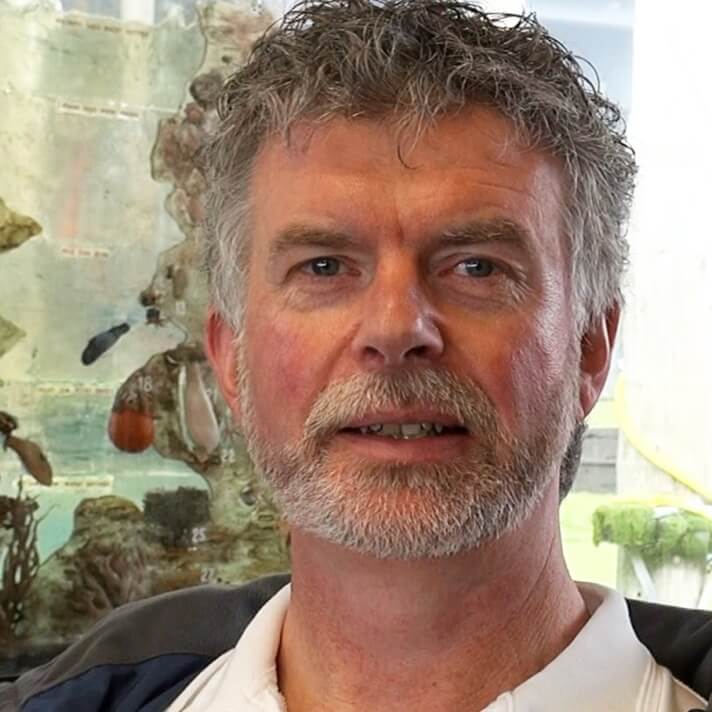
Mark Costello, Ecologist
An ecologist specialising in biogeography, Marine Protected Areas, and the effects of climate change on biodiversity. He pioneered ‘ocean biodiversity informatics’; leading the establishment of the World Register of Marine Species and Ocean Biodiversity Information System databases on all 240,000 marine species and 80 million distribution records. Related discoveries concern estimates of how many species exist and are not yet named, evidence of global scale climate change effects, and where to best protect marine biodiversity globally.
Mark has over 230 peer-reviewed publications, supervised 65 graduate students, and played leading roles in many international organisations, including the Marine Biodiversity Observation Network and being a lead author in the present Intergovernmental Panel on Climate Change global assessment.
From Ireland, a fascination with wildlife led to studying in Galway, a PhD based in Ireland’s only Marine Reserve, post-docs in England and Scotland, a lectureship in Trinity College Dublin, establishing the company EcoServe, and a term as Executive Director of the Huntsman Marine Science Centre in Canada until returning to an academic position in Auckland New Zealand. He is currently a professor at Nord University, Arctic Norway.
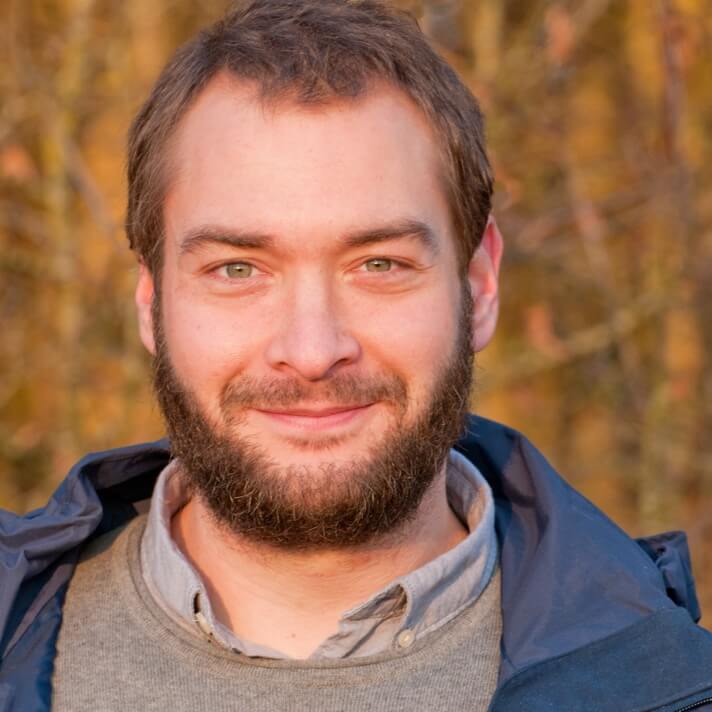
Stefan Pinkert, Postdoctoral Associate, Center for Biodiversity and Global Change, Yale University
Pinkert’s research focuses on assessing the global biodiversity of insects and on understanding the processes that shape diversity patterns from a functional and phylogenetic perspective. Given the limited availability of essential biodiversity data on insect species, an integral part of his work is to develop approaches for the mobilization of distributional data and the automatic quantification of trait variation using image analysis techniques and artificial intelligence-based object recognition. Furthermore, his research informs about regions and taxa for which we lack essential biodiversity information.
As a Postdoctoral Associate at Yale and the Center for Biodiversity and Global Change, Pinkert compiles global taxonomic information that allow us to integrate expert range maps, occurrence records, inventories, country-level distribution information and species’ habitat affinities. He uses these distributional and functional data in combination with phylogenies for butterflies and Odonata to address important question in ecology and evolution as well as to inform strategies for the effective conservation of hitherto largely neglected taxa.
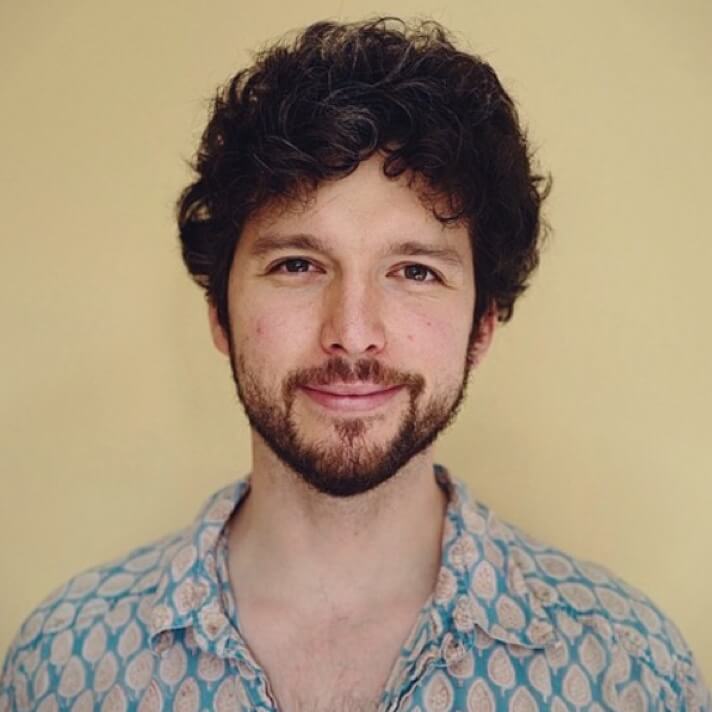
Matthew Shribman, Scientist, Environmentalist, Teacher
Matthew Shribman is a scientist, environmentalist and teacher focused on projects for the future of life on Earth. He has appeared across the BBC, spoken for TEDxLondon and advises the World Congress of Science & Factual Producers. Specialising in reaching beyond the echo chamber, his online videos have over 25 million views and his environmental campaigns have been supported by Peter Gabriel and Sir Paul McCartney. Matthew holds a 1st Class MChem from the University of Oxford.
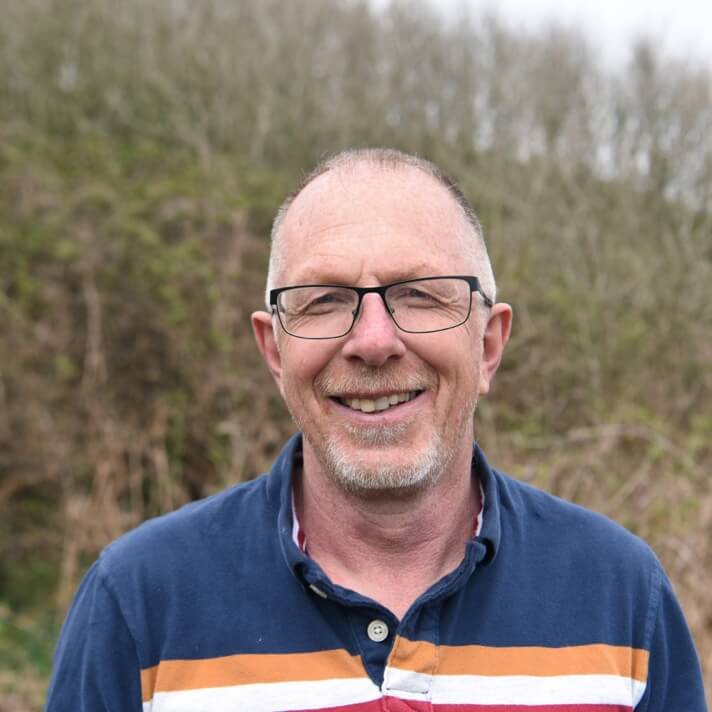
Mat Strevens, Headteacher, Trythall Community Primary School
Mat Strevens has been Headteacher at Trythall Community Primary School for 11 years. Trythall is a unique, small (70 children) school situated in the middle of nowhere: in the moorlands of Penwith, the ‘nearly Island’, at the most westerly point of Cornwall in the UK. He has helped develop a curriculum centred on outdoor, project-based learning making use of the wild surroundings. The children at Trythall are active environmentalists. They have pledged to save a species, the endangered Long-horned Bee (Eucera Longicornis) as part of their project Peas4Bees, in Partnership with Paddy Saunders (Kernow Ecology).
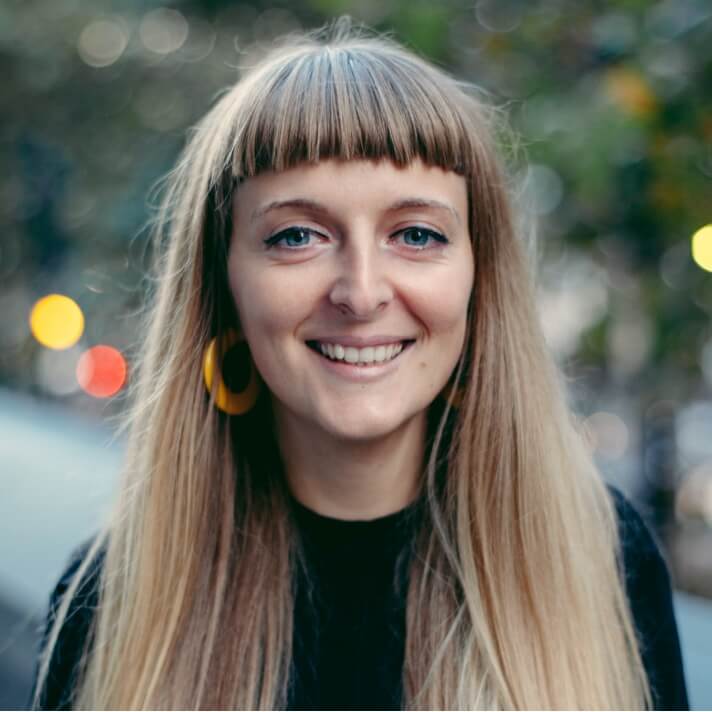
Floree Zama-Neagra, Ranger Programme and Community Manager, London National Park
Floree Zama-Neagra is the Ranger Programme and Community Manager working with talent and purpose led organizations to accelerate social and environmental change. Her interest lies in innovation tools and systems change methodologies that can tackle and solve complex problems. She does this through her interdisciplinary specialism in coaching, action learning, facilitation, business development, innovation / co-production, community building and content design. Floree is an activist for indigenous rights and biodiversity; a nature lover with a passion for holistic living. She loves creating spaces for people to come together, heal, connect, and explore what humane living is all about
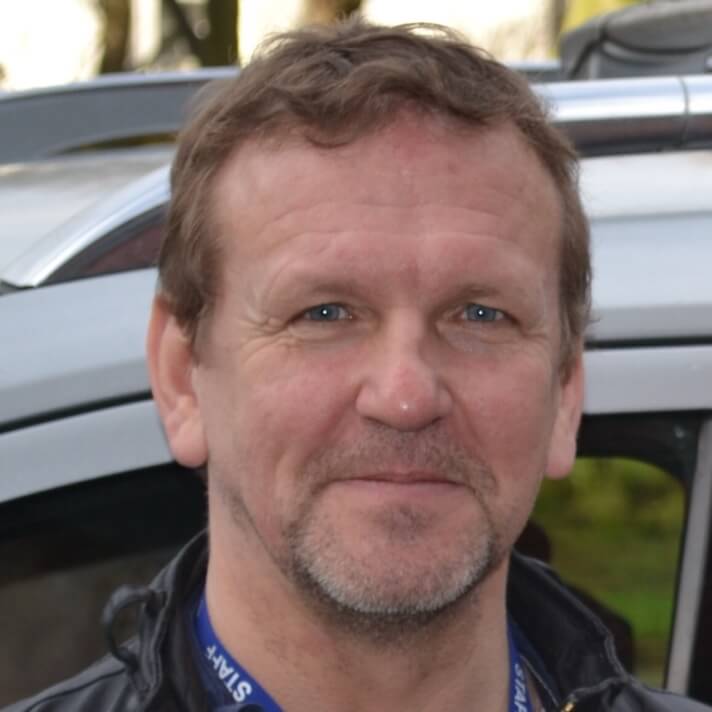
John Patterson, Principal, St. Vincent’s School
Dr. John A Patterson is principal at St. Vincent’s School, a non maintained school for sensory impaired and other needs in West Derby, Liverpool.
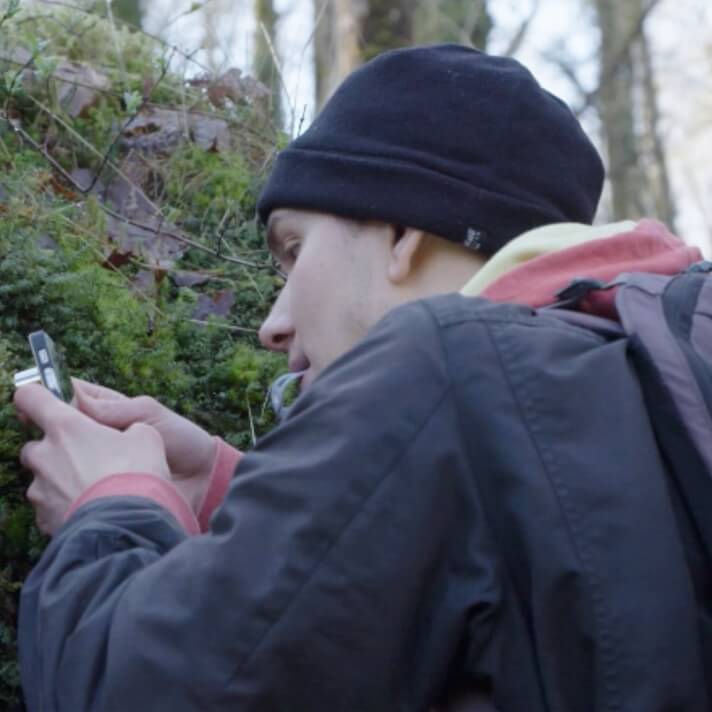
Alex Mills, Botanist and Ecologist, Natural England
Alex Mills is a botanist and ecologist working for Natural England. Undertaking the Identification Trainers for the Future traineeship at the Natural History Museum, London and an MSc in Plant Diversity (University of Reading) instilled in him a love of all things botanical, especially the flora of the British Isles.
He is fascinated by the biocultural connections between plants and people, as well as the weird, wonderful, and often overlooked nooks and crannies of the plant world – such as parasitic plants, ferns, and bryophytes.
A former research student of Renaissance and early modern theatre gone wild, Alex believes that anyone, given the support and opportunity, can (re-)learn to love the natural world. He hopes to encourage others to discover the beauty, importance, and joy of plants.
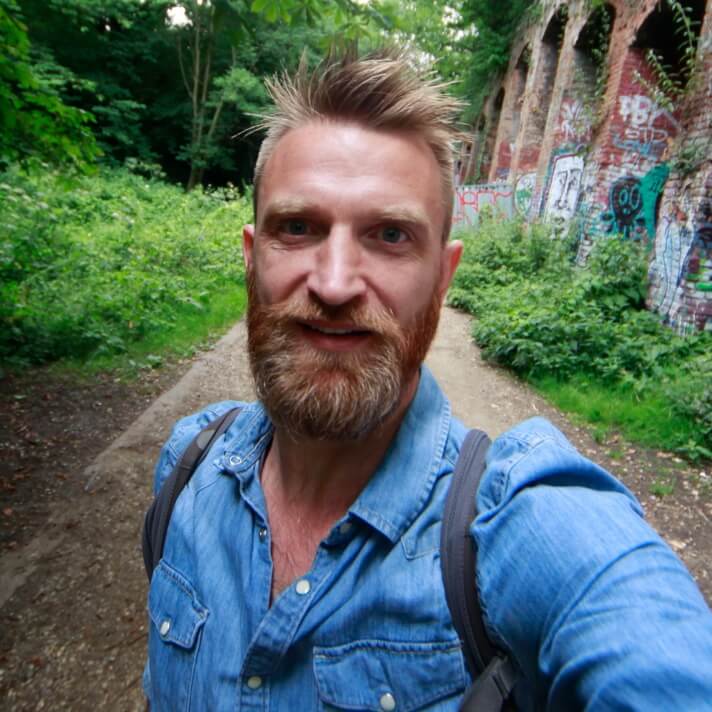
Daniel Raven-Ellison, London National Park City Ranger
Dan Raven-Ellison is a parent, guerrilla geographer, National Geographic Explorer, former geography teacher and leader of the campaign to make London the world’s first National Park City. His work focuses on challenging himself and others to see the world in new ways. He does this by combining creative exploration, geography, and communication to tackle social and environmental challenges. Dan works with the National Park City Foundation to support people who are working to transform their cities into National Park Cities, including community and political leaders in Adelaide, Glasgow, Sacramento, Manila, and Berlin.
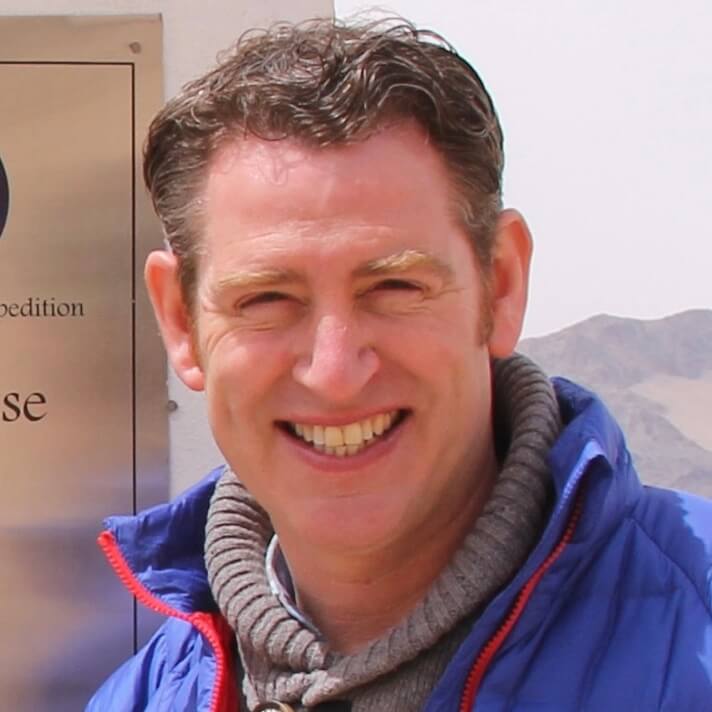
Richard Dunne, CEO, The Harmony Project
Richard Dunne is CEO of The Harmony Project and a former state school Headteacher. He has developed a new way of learning inspired by Nature’s principles of Harmony. In his presentation, Richard will outline each of the principles and how they enable any system or organization to be sustainable and well. The message that underpins the work of Harmony is simple. If we want to create a sustainable way of life, something we urgently need to do, we need to start by understanding the universal laws and principles of Nature and how they work. If we don’t, we will continue to develop practices that damage and degrade the soil, the air and the water, and, by definition, us.
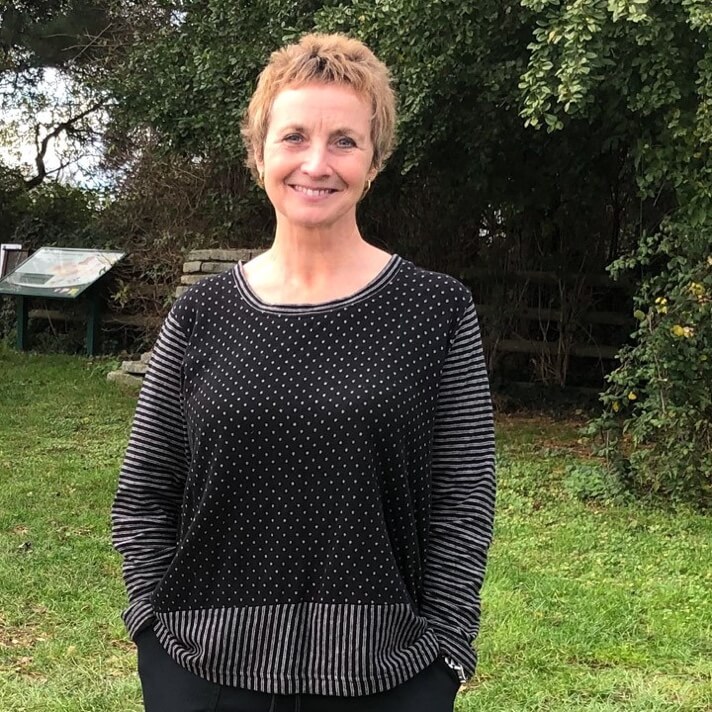
Mary Colwell, Author, Producer, Campaigner for Nature
Mary Colwell is an author, producer and campaigner for nature. Her articles have appeared in the Guardian, BBC Wildlife Magazine, The Tablet, Country Life and many other publications. She has made documentaries for the BBC Natural History Unit in both TV and radio, and has published three books: John Muir – the Scotsman Who Saved America’s Wild Places in 2014 (Lion Hudson), Curlew Moon in April 2018 (William Collins) and Beak Tooth and Claw (William Collins) due in April 2021.
In 2009 she won a Sony Radio Academy Gold award and in October 2017 she was awarded the Dilys Breese Medal by the BTO for outstanding science communication, the David Bellamy Award in 2018 from the Gamekeepers Association for her conservation work on Curlews and, in 2019, the WWT Marsh Award for Conservation.
In March 2021 she was appointed Chair of the government supported Curlew Recovery Partnership England – a roundtable of organisations charged with restoring Curlews, their habitats and associated wildlife across England. In 2020 she set up the charity, Curlew Action.
She is also spearheading the establishment of a GCSE in Natural History.
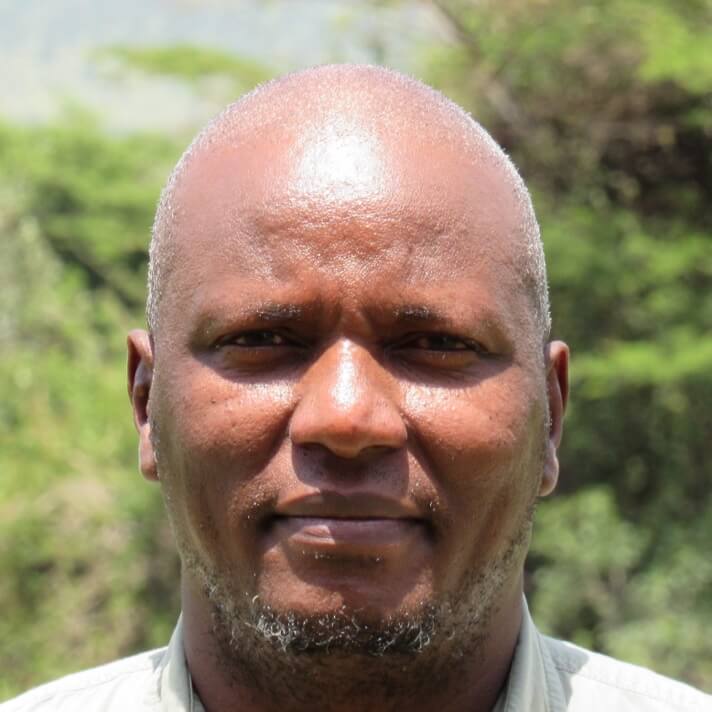
Douglas Nagi, Manager, Cottar’s 1920s Camp, Kenya
Douglas is the 4C Manager at Cottar’s 1920s Camp situated in the southeastern corner of Maasai Mara in Kenya bordering the Serengeti National park in Tanzania. Cottar’s 1920s camp is a Long Run Global Ecosphere Retreat and has won numerous travel awards among them, Africa’s best sustainable boutique hotel and Africa’s leading private villa.
Douglas’s role includes implementing the 4C plan, coordinating all the 4C activities and projects and evaluating progress of the 4C strategy.
Douglas is a gold guide with the Kenya Professional Safari Guides Association and has worked in the field for over 20 years. He has trained most of the guides from the local Maasai community to become some of the best field guides in the country.
Douglas aims at making an impact in conservation by empowering the community with education through the conservations clubs he has established in olderekesi conservancy and through supporting the community in their ownership of a community conservancy.
He is a nature enthusiast and a conservationist at heart who spends his time shaping the young generation to care for the world in acting today for a better tomorrow because conservation is about the people.
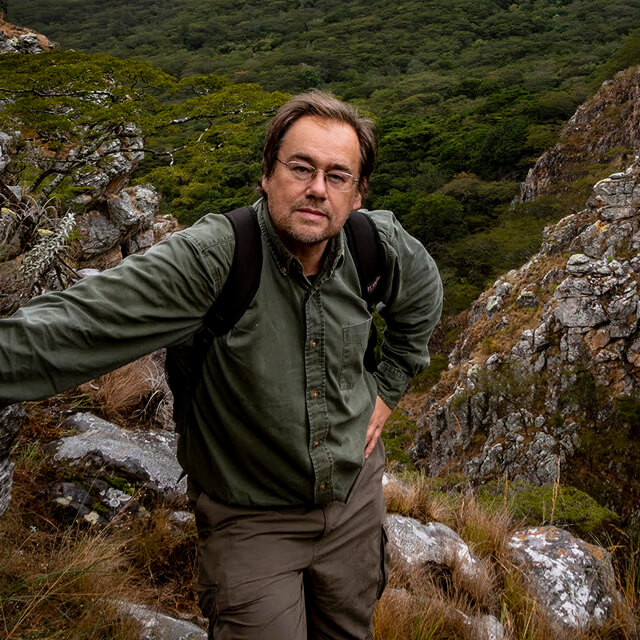
Piotr Naskrecki, Associate Director, E.O. Wilson Biodiversity Laboratory, Gorongosa National Park
Dr. Piotr Naskrecki is an entomologist, conservation biologist, author, and photographer, based at the Museum of Comparative Zoology at Harvard University. He currently directs the E.O. Wilson Biodiversity Laboratory at Gorongosa National Park in Mozambique where he trains a new cadre of Mozambican biologists and conservationists, and helps rebuild the park, which suffered during the recent civil war in that country. His scientific interests focus on the evolution of communication and sound production in insects and other animals, and the phylogenetic reconstruction of insect relationships. He is the author of over 50 scientific, peer-reviewed papers and book chapters.
Piotr’s work focuses on projects that include invertebrate animals in conservation practices and he strives to promote understanding, appreciation, and conservation of “non-charismatic” animals. In his popular writing and photography he tries to capture both their beauty and roles as vital, often critically important members of the planet’s ecosystems. He is one of the founding members of the International League of Conservation Photographers (ILCP) and his photographs and nature writing have been published in a number of national and international publications, including The Smithsonian Magazine, Natural History, National Wildlife, National Geographic, BBC Wildlife Magazine, BBC Knowledge, Terre Sauvage, Time magazine, Ranger Rick, and many others.
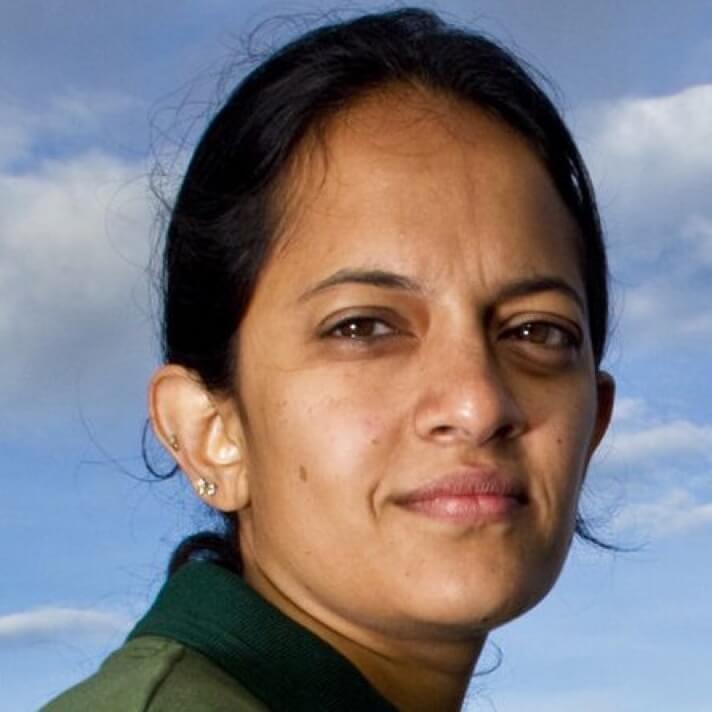
Krithi Karanth, Chief Conservation Scientist, Centre for Wildlife Studies
Krithi Karanth is chief conservation scientist at the Centre for Wildlife Studies, and an adjunct faculty member at Duke University and India’s National Centre for Biological Sciences. Karanth has been involved in scientific research and conservation in Asia for the last 21 years, focusing on the human dimensions of conservation. She has conducted macro-level studies assessing patterns of species distributions and extinctions, impacts of wildlife tourism, consequences of voluntary resettlement, land use change and understanding human-wildlife interactions. Karanth has published more than 90 scientific and popular articles and a children’s book. Karanth served on the editorial boards of Conservation Biology, Conservation Letters and Frontiers in Ecology and the Environment. Throughout her career, Karanth has mentored over 120 young scientists and engaged more than 500 citizen science volunteers.

Liliana Gutiérrez Mariscal, Founder, Executive Director, Public Administrator
Liliana has a Bachelor’s degree in Biology from the Universidad Autónoma de Mexico (2000). She has a Master’s in Science from State University of New York (2003), and a Master’s in Public Administration from the Maxwell School of Citizenship and Public Affairs in Syracuse University (2002). As a member of a research group from the Ecology Institute in the UNAM, she participated in conservation and natural resource management programs in Distrito Federal, Michoacán, Guerrero and Oaxaca (1996-2000). From 2002-2007 she acted as Director of Environmental Policies in SEMARNAT, focusing her work in the coordination and design of what became the Sea Use Planning Federal Program for the Gulf of California (Ordenamiento Ecológico Marino del Golfo de California). Liliana joined the NOS team in July 2007 and in 2014 was promoted to be Executive director, she ended her cycle at NOS in June 2019 after the successful recovery of fisheries, the granting of a Commercial Concession and the local empowerment of women in El Manglito BCS that gave origin to the Guardianas del Estero El Conchalito Collective. Liliana is currently General Coordinator of the Mexican Initiative for Coasts and Seas. She is a graduated fellow of the Academy for Systems Change, National Geographic Explorer and Affiliate at Meridian Institute.

Norina Vicente, Half-Earth Project Chairs and Scholars
Norina Carlos de Jesus Francisco Vicente was born in a small town in Tete Province, Mozambique. She received her B.Sc degree in Ecotourism and Wildlife Management from Instituto Superior Politécnico de Manica in Manica province. In 2016, while still studying, she accepted an internship in Mozambique’s premier protected area, Gorongosa National Park. Since then, her passion has been to understand how organisms and ecosystems are organized and how knowledge of ecology, evolution and conservation biology can be used to develop better strategies to protect Mozambique’s national areas. Her interests concentrate on insects, taxonomy, new species, conservation of biodiversity, symbiosis between species, tritrophic interactions.
Currently she works at the E.O. Wilson Biodiversity Laboratory in Gorongosa National Park, Mozambique where she manages the biological collections, coordinate biodiversity data entry and digital imaging of specimens, identify species, and curate specimens. She regularly participates in biodiversity surveys of Gorongosa. Recently, she was admitted to San Francisco State University to pursue a master’s degree in Integrative Biology.
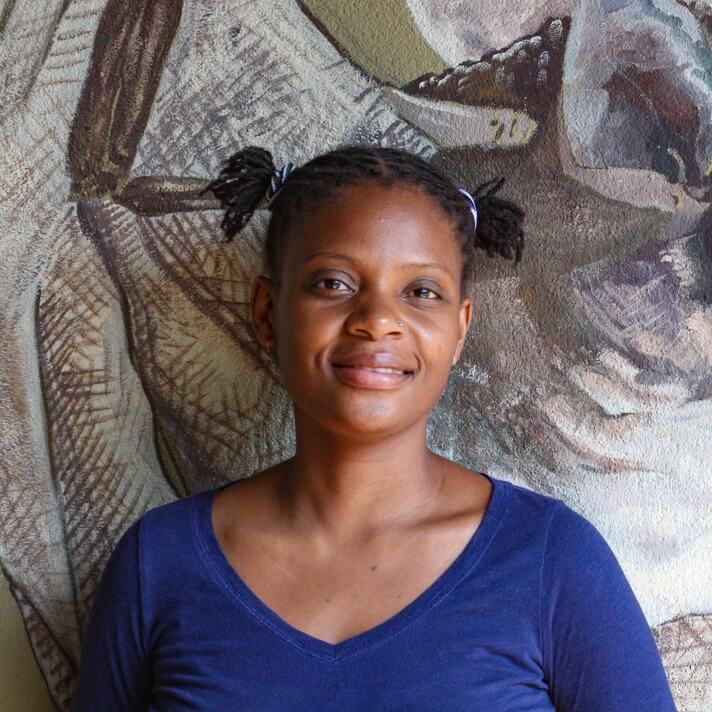
Ana Gledis, Biologist and Research Technician, Gorongosa National Park
Ana Gledis da Conceição Miranda da Conceição, born in Inhambane Province, is a finalist student of the master’s course in Conservation Biology at Gorongosa National Park, with the final research topic: “The relationship between morphology of the vestibular system and bat echolocation parameters in different habitats of Gorongosa National Park”.
In 2015 she graduated in Marine Aquatic and Coastal Biology in the Department of Biological Science at Eduardo Mondlane University, Maputo and then worked to raise awareness of dugong conservation communities at the Association for the Conservation of Dugongs and other species of marine animals. In 2017, she was invited to work in Gorongosa National Park as a Research Technician at the Pringle Laboratory, assisting researchers working in scientific research on floodplains and participated in Seminars on Ecology and Conservation of Mammals, Biodiversity Survey, conservation biology during which she discovered her passion for bats.
She has participated in international training on bat biology, identification and conservation at the Meletse Research and Conservation Training Center in South Africa and participated in Ecology training, Diversity, Conservation and Ecosystem Services by Global South Bats where she was named ambassador for bat conservation in Mozambique.
She is particularly interested in bat taxonomy and interactions between insects and bats because little or nothing is known about the movement of bat populations in Mozambique. One of her goals is to carry out a comprehensive assessment of Mozambican bat fauna to create an IUCN Regional Red List.
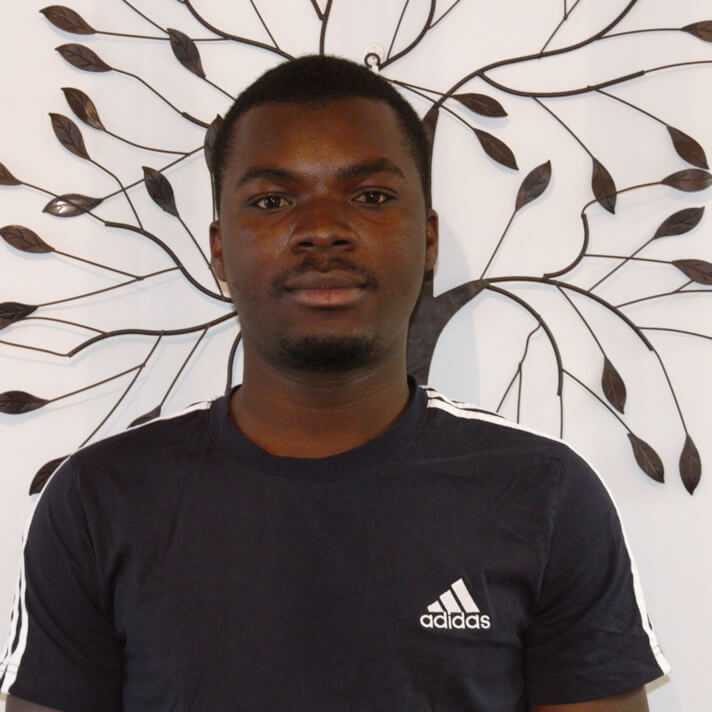
Ricardo Guta, Taxonomist, Conservationist, Research Technician, E.O. Wilson Biodiversity Laboratory, Gorongosa National Park
Ricardo Guta is a taxonomist, conservationist, and has seven years of work experience in E.O. Wilson Biodiversity laboratory, Gorongosa National Park as a research technician. He was born and raised in Mozambique. His interests lie in ecology, biogeography, systematics, photography, and conservation of insects, as well as applying his knowledge of entomology to practical areas such as agriculture and forensics.
He received a technical vocational education studying agriculture and livestock, and later on enrol for a Biological Science Course degree at Universidade Lúrio in Mozambique. Currently, he is enrolled for masters in Conservation Biology at University of Cape Town, South Africa funded by Half-Earth Project and E.O.Wilson Biodiversity.
For his research component, Ricardo is studying “Phylogeography, ecology and acoustic behaviour of an insects called flightless spring katydid” which are endemic to two biodiversity hotspot, the Fynbos and Succulent Karoo in South Africa.
This research aims to:
- Identify new katydid’s species group, and better understand the relationship between the species and time of diversification
- Provide their sound database, and understand the mating behavior
- Use these data to model the impact of climate change on the species, and the biomes they are confined to better conserve the species and the ecosystem as all.
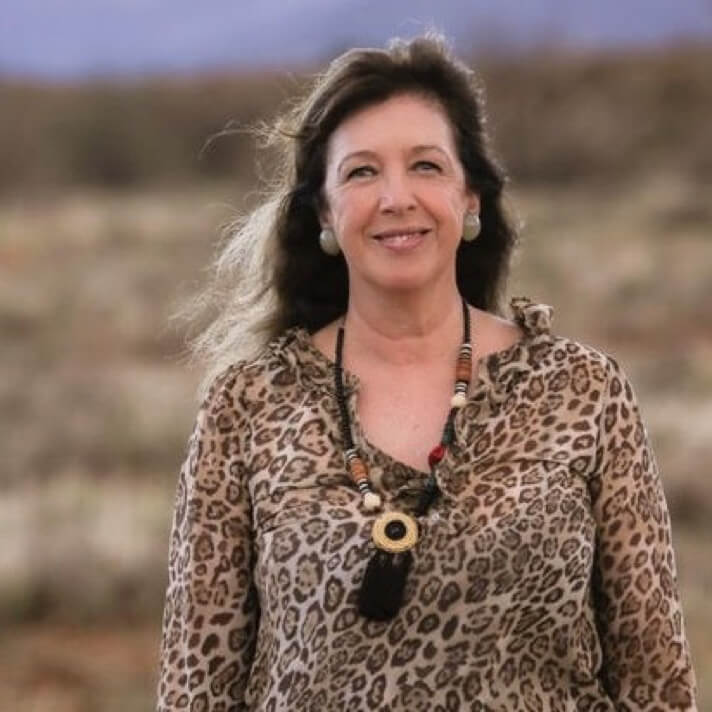
Sarah Tompkins, Co-Founder, Samara Game Reserve
Sarah Nicola Tompkins co-founded Samara Game Reserve in 1997 in the Great Karoo in South Africa. Sarah is a committed conservationist and the driving force in creating the catalyst for land-use change in the region, protecting a region in one of the worlds 36 biodiversity hotspots and second richest floristic region in Southern Africa. Some 1,900 endemic plant species are found here, of which 534 are classified as either Vulnerable, Endangered or Critically Endangered.
Sarah became a Fellow of the Royal Geographical Society in 2010 for her battle against fracking in South Africa. Her legal challenges against prospecting energy companies succeeded in setting a precedent for greater transparency and regulation regarding fracking in the region. Sarah is involved in rhino, cheetah, lion, cape mountain zebra and vulture conservation, working with South African National Parks, Endangered Wildlife Trust and other NGO’s to secure meta populations of endangered and critically endangered creatures on the planet.
Sarah is passionate about education and social upliftment and has created employment for 70 people in ecotourism and conservation and several local community initiatives. She helped found the S.A.C.T Tracker Academy, restoring indigenous knowledge of wildlife tracking and has initiated numerous ecological research projects with international Institutions.
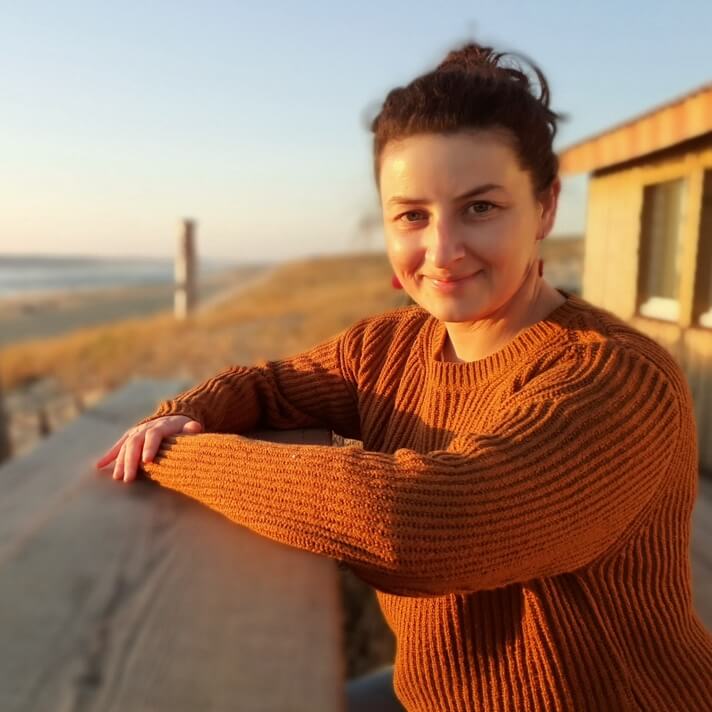
Aurore Maureaud, Quantitative Ecologist, Agricultural Engineer
Dr. Aurore A. Maureaud is a quantitative ecologist specialized in marine biodiversity synthesis, trait-based ecology, and species distributions. She is an agricultural engineer strained as fisheries and marine scientist, and she completed her PhD at the Centre for Ocean Life, part of the National Institute for Aquatic Resources at the Technical University of Denmark. There, she worked on coastal exploited communities sampled from scientific surveys to understand links between fish biodiversity and ecosystem functioning. She is involved in an international working group called FISHGLOB where she leads a consortium of international experts and data providers around the world to understand fish functional biodiversity under global change. Now, she is a Postdoctoral Associate at the Center for Biodiversity & Global Change at Yale University, where she is working on a synthesis of marine crabs to support the conservation of an under-studied taxonomic group through the Map of Life and Half Earth projects. To be able to model the range of crabs, she created the first benthic biogeography layer to associate species with their preferred habitat. At Yale University, Aurore is also working on the integration of taxonomy in ecology and conservation with a range of stakeholders. She is passionate about interdisciplinary science and she aspires to transform research into ethical and open science.
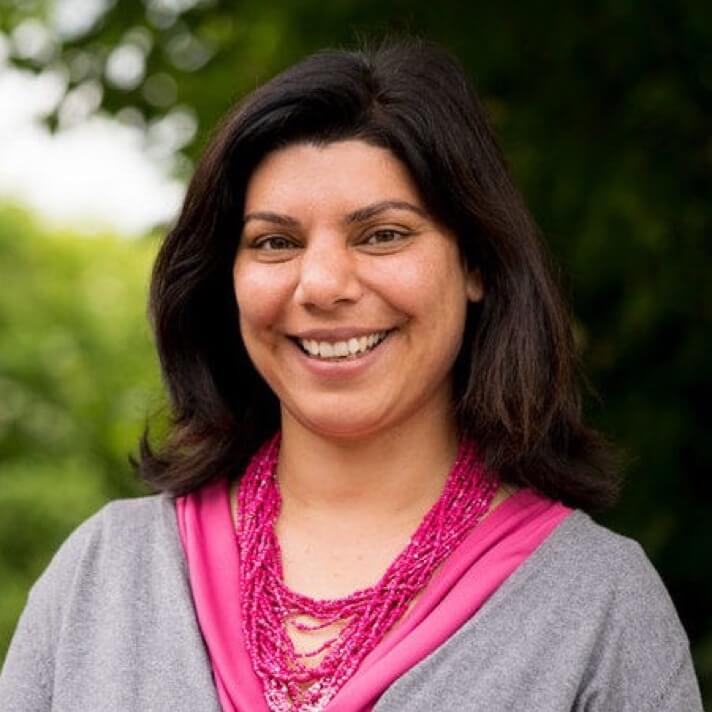
Nina Bhola, Senior Programme Officer, United Nations Environment Programme World Conservation Monitoring Centre (UNEP – WCMC)
Dr. Nina Bhola is a biodiversity conservation specialist working with intergovernmental, governmental, non-governmental partners across the world. Nina is currently a Senior Programme Officer at the United Nations Environment Programme World Conservation Monitoring Centre (UNEP – WCMC), where she works with a global team of experts to develop, resource and deliver a portfolio of area-based-related projects across land and seascapes, including connectivity and transboundary conservation. She participates in major conferences including the United Nations Inter-governmental conferences, leads and facilitates panels of experts on ocean governance; and coordinates international meetings bringing together experts from around the world to help ensure effective use of biodiversity knowledge in decision-making processes.
Nina has a lifelong passion for the environment and is motivated by working in collaboration with people across the world. She has a Ph.D. in biodiversity conservation from the University of Groningen in the Netherlands. Prior to this, she spent 5 years working with the World Wide Fund for Nature and as a researcher at The International Livestock Research Institute in Kenya, where she co-designed and co-implemented a range of sampling techniques and monitoring surveys for counting African mammals which led to several peer-reviewed publications with world-renowned ecologists.
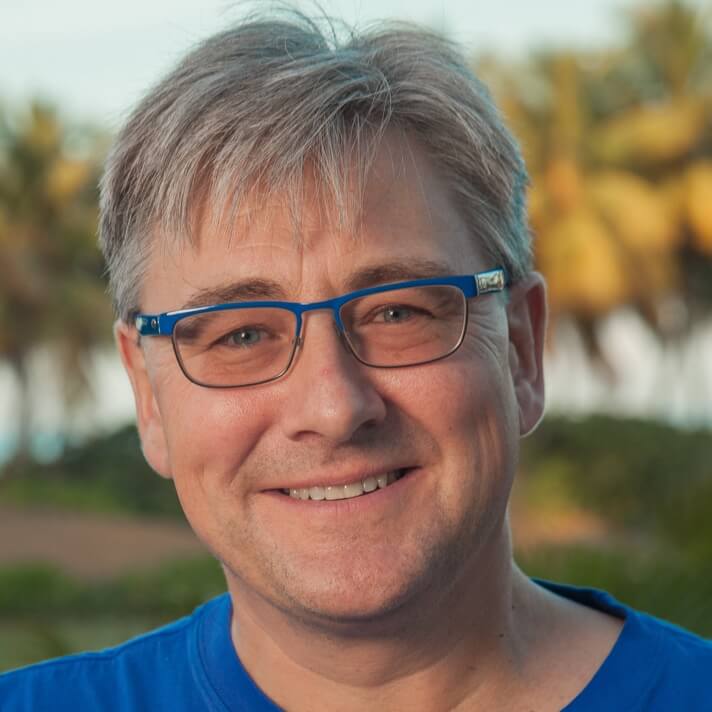
Callum Roberts, Professor of Marine Conservation, University of Exeter
Callum Roberts is Professor of Marine Conservation at the University of Exeter. His research focuses on threats to marine ecosystems and species and on finding the means to protect them. His team provided the scientific underpinning for a new ocean protection target – 30% by 2030 – which is gaining widespread international support. His latest book, Reef Life: An Underwater Memoir (Pegasus), is on the past and future of coral reefs, the world’s richest marine ecosystem. He was chief scientific advisor for the BBC’s Blue Planet II and is chief scientific advisor to Blue Marine Foundation, and Ambassador for WWF UK.
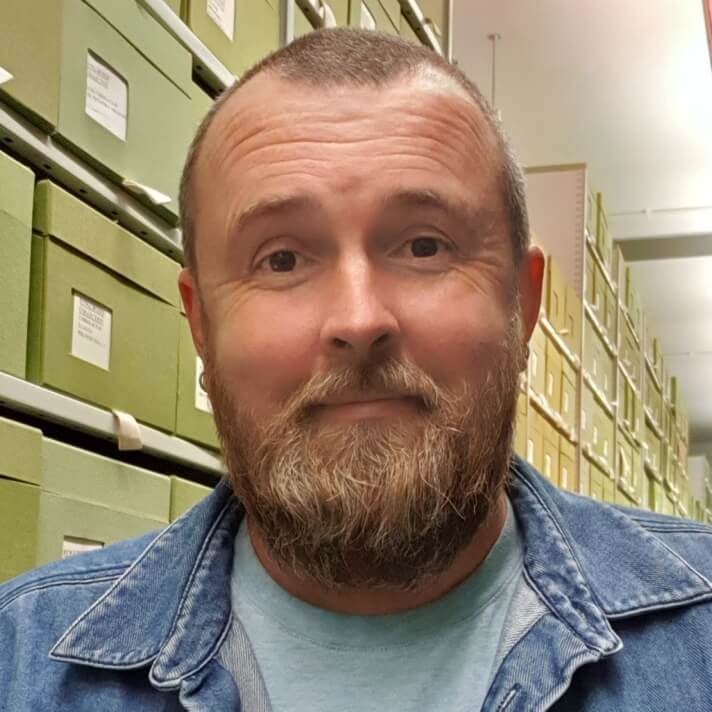
Lee Davies, Curator, Royal Botanic Gardens Kew
Lee Davies started his curatorial career as an invertebrate paleontology curator at the Natural History Museum in London, before moving to the Royal Botanic Gardens Kew. Having originally worked as Assistant Botanist on West African plants, seven years ago he moved across to the Fungarium and has found his true love with fungi.

Susana Romao, Project Manager, Vizzuality
Susana Romao is project manager, linking Vizzuality, Map of Life and the E.O. Wilson Biodiversity Foundation together to create a seamless process to advance the Half-Earth Project Map. From academia to nonprofits to Vizzuality, via bio-research and an MBA, her journey has sought out the places where she can create a positive impact.
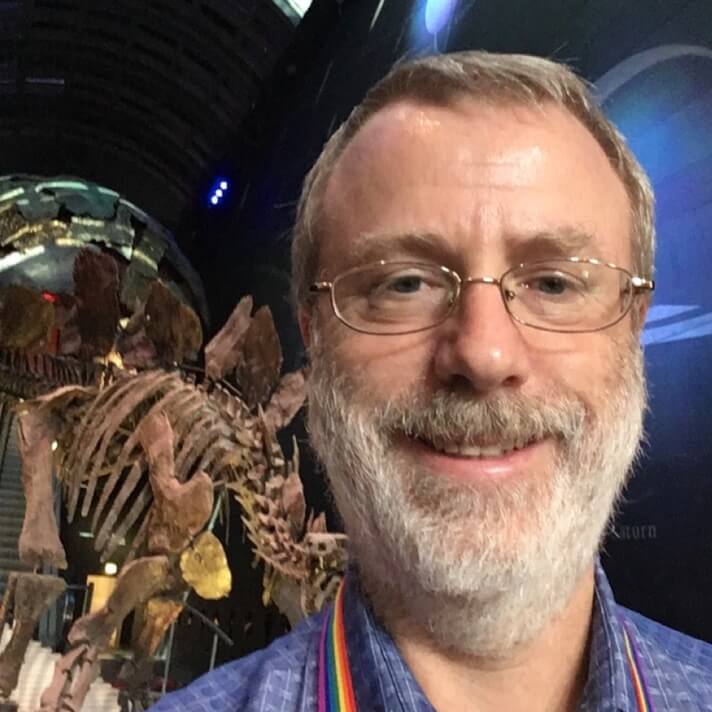
Andy Purvis, Research Leader, Natural History Museum, London
Professor Andy Purvis is a Research Leader at the Natural History Museum in London. He heads the PREDICTS project (Projecting Responses of Ecological Diversity In Changing Terrestrial Systems), which aims to model globally how local terrestrial biodiversity responds to human pressures and to use these models to project potential biodiversity futures under alternative scenarios of socioeconomic development. PREDICTS estimates the Biodiversity Intactness Index, the first indicator available on the Natural History Museum’s Biodiversity Trends Explorer. He was a Coordinating Lead Author on the first IPBES Global Assessment of biodiversity and ecosystem services, and scientific advisor on Sir David Attenborough’s documentary, “Extinction: The Facts”.
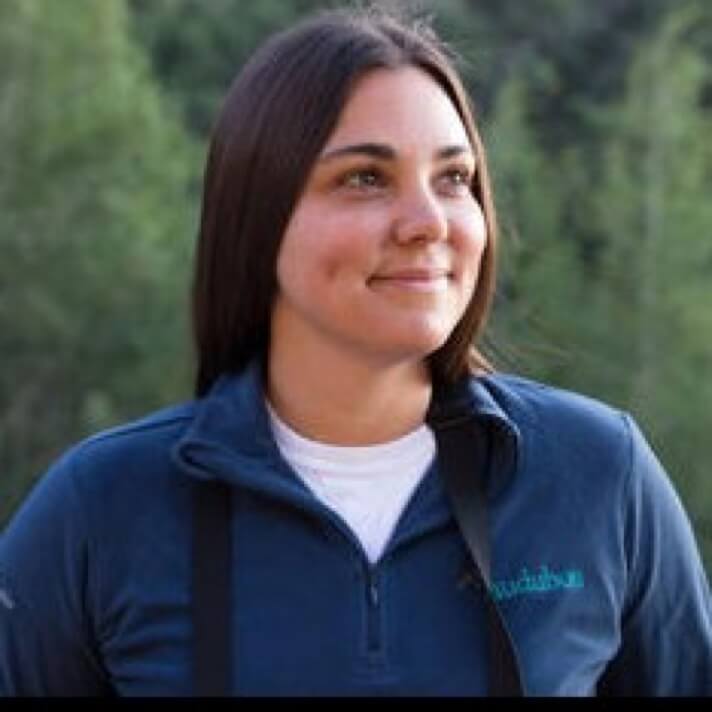
Brooke Bateman, Director of Climate Science, National Audubon Society
As the Director of Climate Science at the National Audubon Society, Dr. Brooke Bateman collaborates with scientists, volunteers, and Audubon’s Climate Initiative team to develop research focused on climate and the conservation of birds and the places they need today and in the future. In this role she led a team of scientists in developing Survival by Degrees: 389 Bird Species on the Brink, Audubon’s 2019 Birds and Climate Change Report. As director of Climate Watch, she works with community volunteers to understand how climate change currently affects birds in North America. Her research focus is on spatial ecology and conservation, emphasizing the effect that extreme weather events and climate change have on biodiversity. Brooke works closely with on-the-ground practitioners and stakeholders to link climate research to on-the-ground conservation and management actions.
Before joining the Audubon science team in 2016, Brooke conducted postdoctoral research on the influence of climate and weather on birds and marsupials with James Cook University, The University of Tasmania, and CSIRO in Australia. She also served as postdoctoral associate at the University of Wisconsin-Madison and, later as an assistant scientist, on a NASA project researching how extreme weather events affect birds. Brooke received her PhD in Zoology and Tropical Ecology at James Cook University in Australia in 2010, a Graduate Diploma of Research Methods from James Cook University in 2006, and a Bachelor of Science, cum laude, from Boston College in 2003. Brooke enjoys hiking, drawing, yoga, and birding with her daughter. Her favorite bird is the Common Loon.
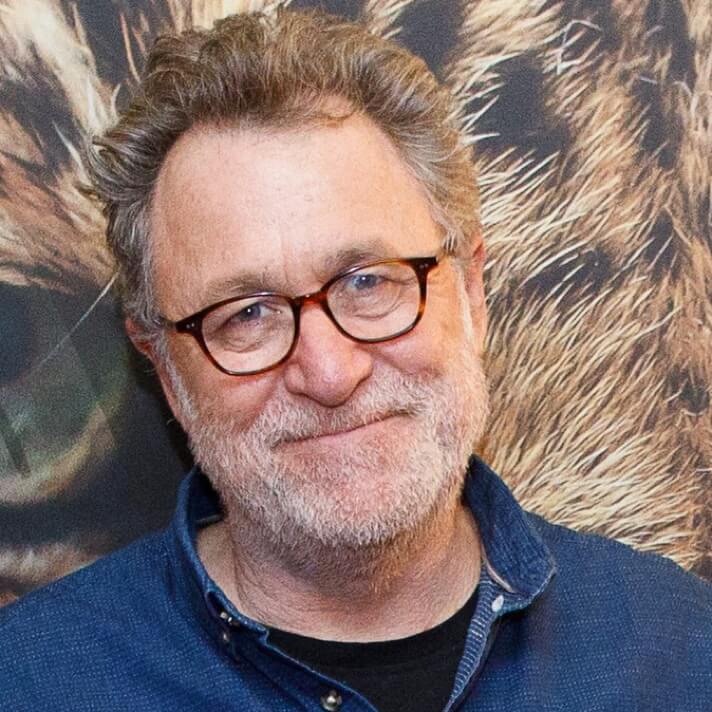
Martin Dohrn, Founder and Director, Ammonite Films
Martin Dohrn is Founder and Director of the award-winning production company, Ammonite Films. Taking refuge from the coronavirus pandemic, wildlife filmmaker Martin Dohrn set out to record all the bees he could find in his tiny urban garden in Bristol, England, filming them with one-of-a kind lenses he forged on his kitchen table. See his surprising discoveries in Nature: My Garden of a Thousand Bees, premiering nationwide Wednesday, October 20 at 8 p.m. ET on PBS (CHECK LOCAL LISTINGS), PBS.ORG/NATURE and the PBS VIDEO APP.
Martin has produced specialist landmark natural history television programs for over 20 years. During this time he has collaborated with Terra Mater, Discovery, Earth Touch, the BBC, and National Geographic, to name only a few. Over the years Martin has won several awards, including an ‘Emmy’ for Cinematography’ on the film Great Migrations, and multiple awards for Ammonite’s innovative children’s series Smalltalk Diaries. Leading the field in natural history low-light filming and macro, Martin and his team at Ammonite have painstakingly crafted these game-changing filming techniques to gain insight into the natural world. With a range of world-renowned tech including the Colour Starlight Camera and Frankencam, Ammonite can deliver 4K, colour footage from some of the darkest locations on Earth.
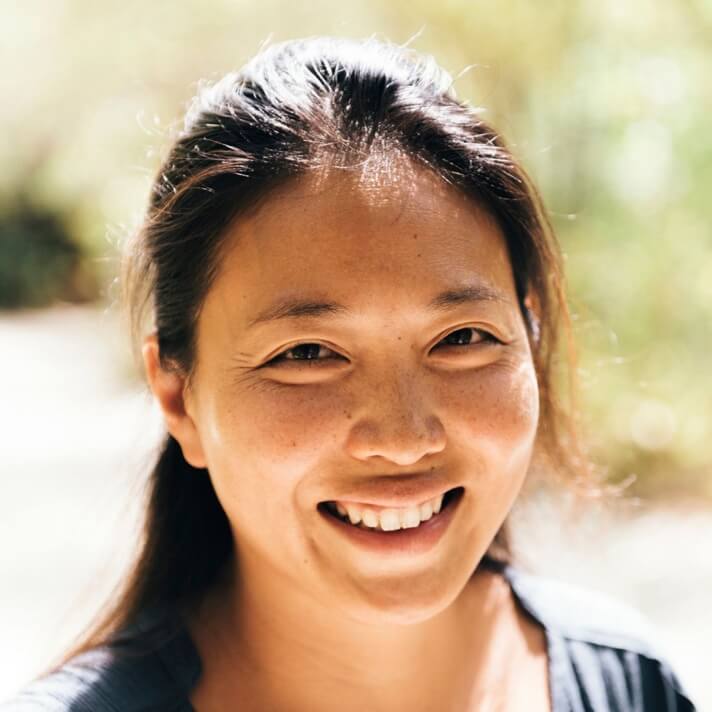
Cher Chua-Lassalvy, Co-Founder and Managing Director, Batu Batu
Cher Chua-Lassalvy is Co-founder and Managing Director of Batu Batu, a sustainably-minded off-grid island retreat in Malaysia with a focus on generating profits through tourism to create positive impacts in the local area. She is also the President and Founder of Tengah Island Conservation, a Malaysian non-profit biodiversity management NGO working within the Johor Marine Park. Batu Batu and TIC together, were the proud winners of the WTM World Responsible Tourism Silver Award for Best in Conservation & Wildlife (2019).
After completing her degree in Social Anthropology at the University of Cambridge, Cher spent ten years within the financial services industry in London before returning to Malaysia and switching sector to set-up and run the family-owned Batu Batu island project.
Cher has a particular interest in creating tourism products that support biodiversity and local communities and advocating for tourism as a force for good. As a native Johorean, she finds particular pleasure in developing projects in her home State. As part of this passion, in 2019 Cher co-created KakakTua Guesthouse & Community Space in Mersing, a tourism-for-communities project and is a founding and steering committee member of Sustainable Travel Mersing, a multi-stakeholder initiative supporting the development of Mersing District as a tourism destination supporting sustainable development.