
Where Life Depends Upon Place — and Where Responsibility Begins
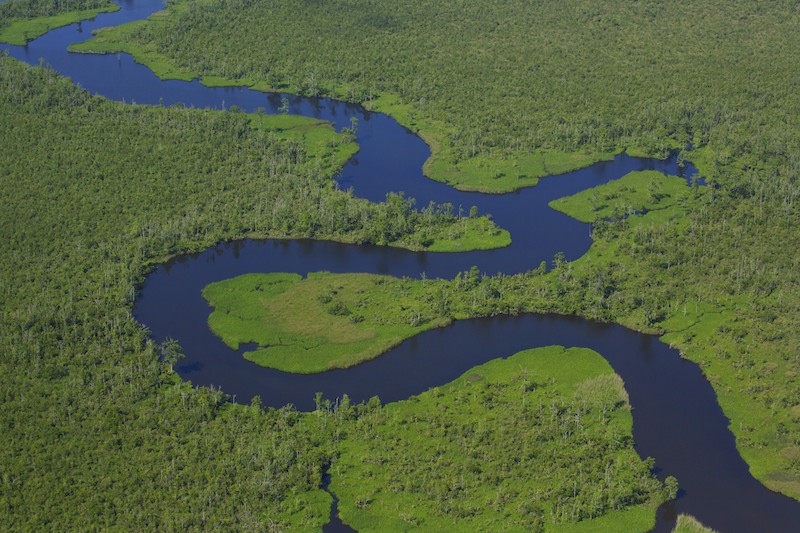
Photo Credit: Charles Smith
Paula Ehrlich, President & CEO of the E.O. Wilson Biodiversity Foundation and Co-Founder of the Half-Earth Project, delivered the keynote at the BioNexus KC Nexus Informatics Conference in April 2026 — a gathering of scientists, technologists, clinicians, and researchers working across the boundaries of biology, medicine, agriculture, and artificial intelligence.
The talk ranges across E.O. Wilson’s legacy and ideas, the mathematics behind Half-Earth, the story of two Australian frogs whose extinction erased biochemical knowledge we had barely begun to encounter, and the question that organizes all of the Foundation’s work: not just which species we are losing — but what we lose when we lose them.
Watch the full video below, or read the key excerpts from the talk.
Paula J. Ehrlich, DVM, PhD — President & CEO, E.O. Wilson Biodiversity Foundation. Keynote, BioNexus KC Nexus Informatics Conference, April 2026. Runtime: 28:25. Photo Credit: Tom Rossiter
In this talk
[2:33] E.O. Wilson: making science feel morally consequential
[8:40] The gastric-brooding frogs — extinction as irreversible information loss
[11:09] A rhino is not just a rhino — species as ecological load-bearers
[12:08] Conservation as an information problem: what exists, where, and what disappears
[14:11] Why Half-Earth — the mathematics of habitat and species survival
[15:20] The Half-Earth Project Map and Species Protection Index
[19:56] Mongolia vs. Chile — why spatial choice matters as much as quantity
[21:25] The E.O. Wilson Land Between the Rivers Preserve, Alabama
[24:37] Ideas do not hibernate — where responsibility begins
A Campfire
I once asked E.O. Wilson how we could bottle the transformative moment that often happens in nature when we are young — that moment when something opens in us and we suddenly feel permanently connected to the living world.
And he said:
“I don’t know… but I think it has something to do with a campfire.”
E.O. Wilson
And because it was Ed, he said it as if that answered everything.
Over time I came to understand what he meant. A campfire is where knowledge becomes shared experience. It is where people sit close enough to one another — and close enough to mystery — that something changes. And in many ways, that is what a conference like this is. A campfire. People from informatics, medicine, biology, agriculture, artificial intelligence — gathered because life is extraordinarily complex, and because none of us can understand enough of it alone.
What E.O. Wilson Understood
Of course, I could tell you Ed was a two-time Pulitzer Prize winner. That he transformed ecology. That his theory of island biogeography remains foundational to how we understand habitat and extinction. That he coined biophilia to describe the innate affinity human beings have for life.
But what mattered most about him, I think, is that he made science feel intimate. He made it feel morally consequential. He didn’t simply explain biodiversity. He helped people feel responsible for it.
He believed deeply that students should develop what he called a relationship with all of life. Not abstractly. Not sentimentally. But through actual knowing. Because to know this world well enough is to become attached to it. And once attached, responsibility follows naturally.
“Biodiversity holds the world steady.”
E.O. Wilson
He meant that literally. The stability we experience is not accidental. It is generated by millions of interacting organisms exchanging matter and energy in ways we only partially understand.
Extinction Is Irreversible Information Loss
The systems sustaining life are often quiet until they begin to fail. And by the time failure becomes obvious, extraordinary complexity has already been lost.
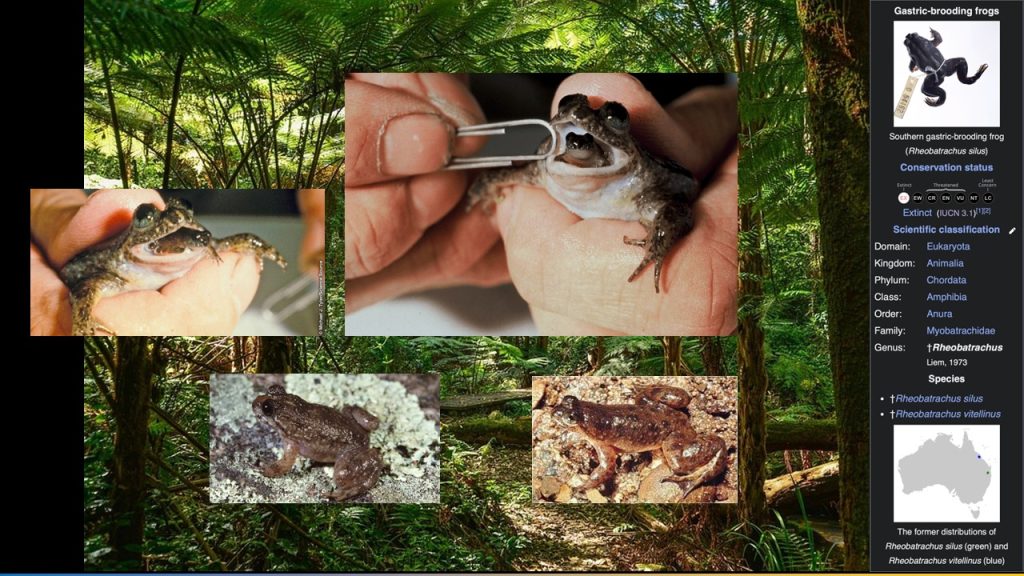
Two species of gastric-brooding frogs were discovered in Australia. They were unlike anything scientists had ever seen. The female swallowed fertilized eggs. The young developed inside her stomach. And during that period, the tadpoles secreted compounds that shut down digestion entirely.
Scientists immediately recognized what that might mean. Those compounds appeared to interrupt acid production through pathways we did not yet understand. There was real hope they might open entirely new therapeutic possibilities for peptic ulcer disease.
And then both species disappeared.
“So we did not simply lose frogs. We lost biochemical knowledge we had barely begun to encounter. Extinction is not only ecological loss. It is irreversible information loss.”
Paula J. Ehrlich
And that matters because species never disappear alone. Every species occupies relationships. It carries functions. It supports other things we may not immediately see.
As Sam Anderson wrote in The New York Times Magazine about the last two Northern White Rhinos: “A rhino is not just a part of the world — it is a world. It mows and plows fields, its dung feeds colonies of insects, and birds come to feed on the insects, and other predators come to catch the birds.” A single large animal carries ecological consequences outward in every direction.
Conservation Has Become an Information Problem
Conservation has become fundamentally an information problem. Three questions define nearly everything:
- What exists?
- Where is it?
- What disappears if conditions change?
That is informatics.
In the same way that a surgeon can’t operate without an intimate knowledge of anatomy and physiology, knowing every single species and their location is fundamental to being proper stewards of the planet. Having this knowledge will inevitably transform our human understanding and allow us to reimagine how to care for our planet.
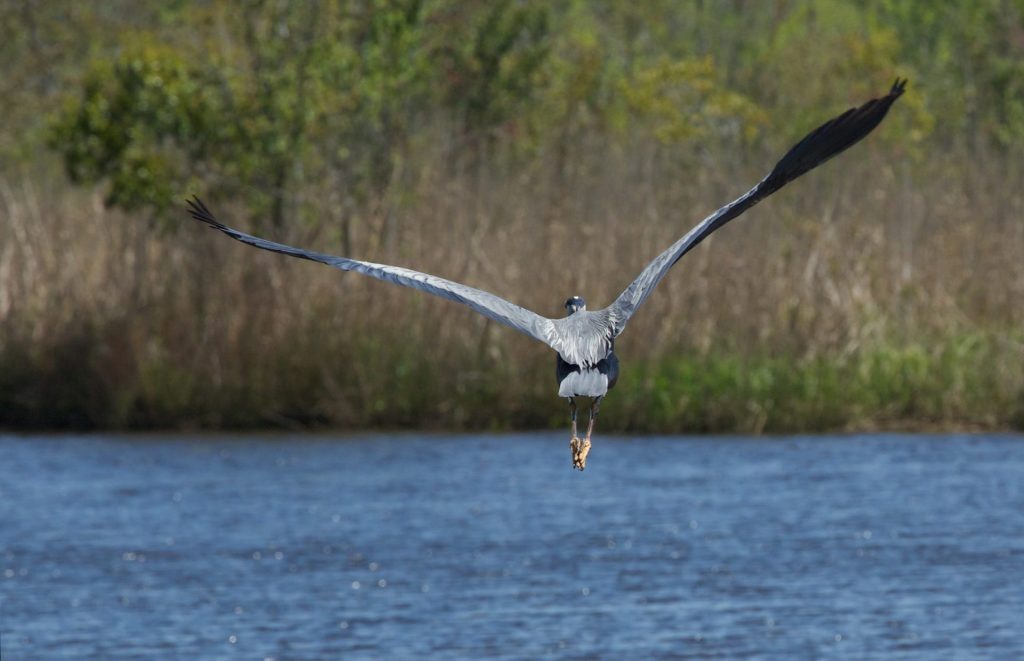
Photo Credit: Charles Smith
Why Half?
That’s what E.O. Wilson asked us to do with Half-Earth. The premise: know everything we can about the species of a place, and use that knowledge to identify the network of places that should be prioritized for conservation in order to protect the most species — globally.
The answer to “Why half?” comes from one of ecology’s most durable mathematical relationships. Habitat size and the number of species it can sustainably support are related not linearly, but by the 4th root. At 15% protection — roughly where we are today — the math predicts we will lose half of all species before the end of the century. Protecting half of Earth’s surface would allow us to retain the great majority. As an idea, it has exactly the kind of clarity that can organize ambition.
Which Half? The Half-Earth Project Map
The real question became: which forests, which rivers, which reefs, which mountain systems, which overlooked places?
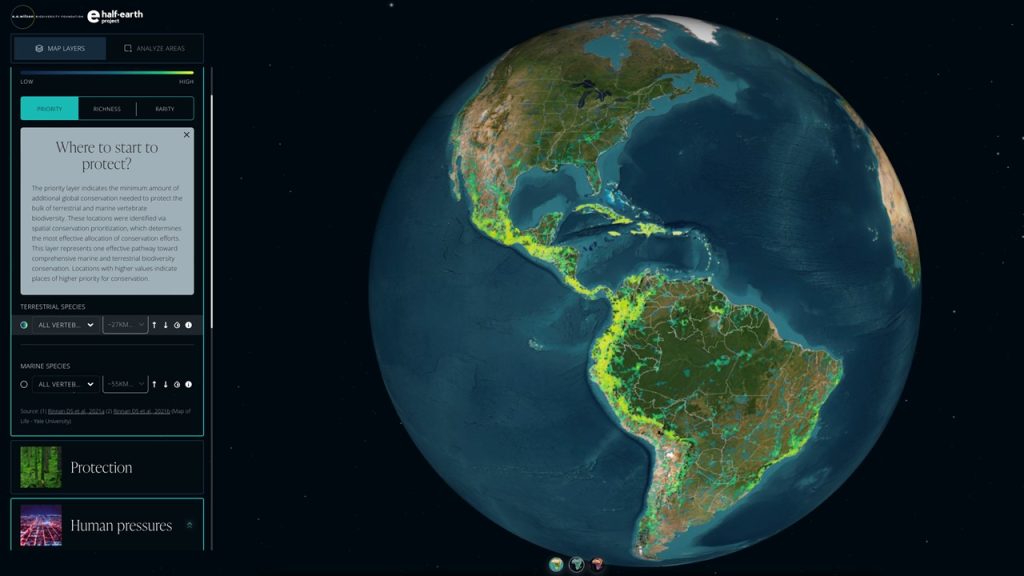
The Half-Earth Project Map makes biodiversity visible and measurable for scientists, policymakers, and the private sector. It identifies Places for a Half-Earth Future — places with extraordinary species richness and rarity that are currently unprotected and represent the highest-leverage opportunities for conservation globally.
To measure progress, the Foundation developed the Species Protection Index (SPI) — a measurable biodiversity score for every country on Earth, from 0 to 100, based on how well their protected areas conserve their species.
Consider Mongolia and Chile. Both have protected roughly 20% of their national territory. Chile’s SPI is 39 — about the global average. Mongolia’s SPI is 81. The difference is spatial choice: Mongolia selected additional conservation areas that uniquely capture species whose ranges are otherwise poorly protected. The quality of spatial choice matters as much as quantity. That is precisely what this kind of geospatial knowledge allows us to see.
“The quality of spatial choice matters as much as quantity.”
Paula J. Ehrlich
The E.O. Wilson Land Between the Rivers Preserve
A place Ed loved deeply reveals something he understood intuitively: biological significance is often hidden inside landscapes that appear, at first glance, quiet.
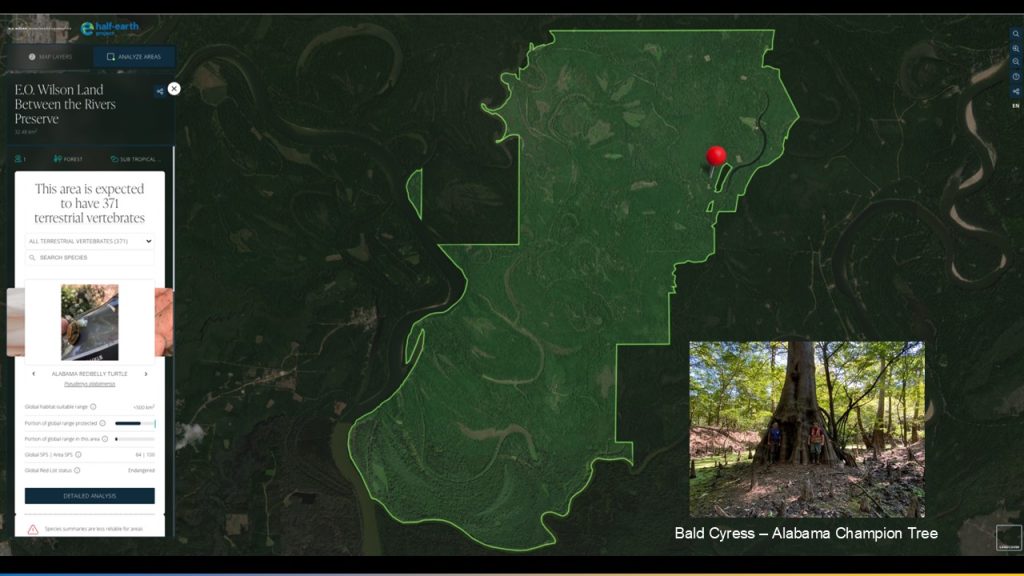
The E.O. Wilson Land Between the Rivers Preserve in Alabama’s delta does not look rare in the way famous landscapes do. But ecologically, it is dense with consequence — a place where freshwater systems, floodplain forest, migratory pathways, and endemic life intersect. The Half-Earth Project Map identifies 371 terrestrial vertebrates expected in this area, including the endangered Alabama Redbelly Turtle.
Among the 300 bird species that move through the preserve each spring is the swallow-tailed kite — one of the most visually arresting birds in North America. Black and white, long forked tail, wings that look almost impossibly precise in motion. It hunts while flying. It drinks while flying. Sometimes it gathers nesting material in flight.
And yet for all that elegance, it depends on something very grounded: large mature trees, stable nesting habitat, quiet continuity in place. One magnificent bald cypress anchors part of that system. Above it, swallow-tailed kites return each year — not because they recognize the tree itself, but because ecological memory exists in systems that remain intact.
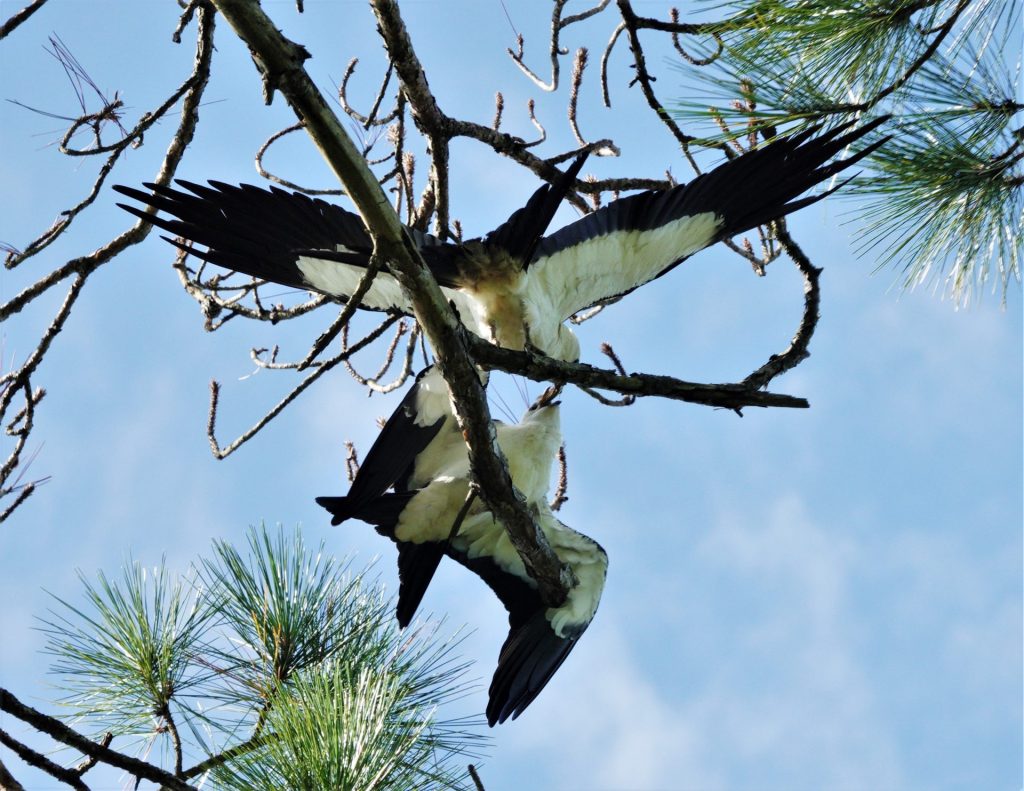
Photo Credit: Larry A. Woodward / USFWS
A single quiet landscape carrying extraordinary planetary value.
Ideas Do Not Hibernate
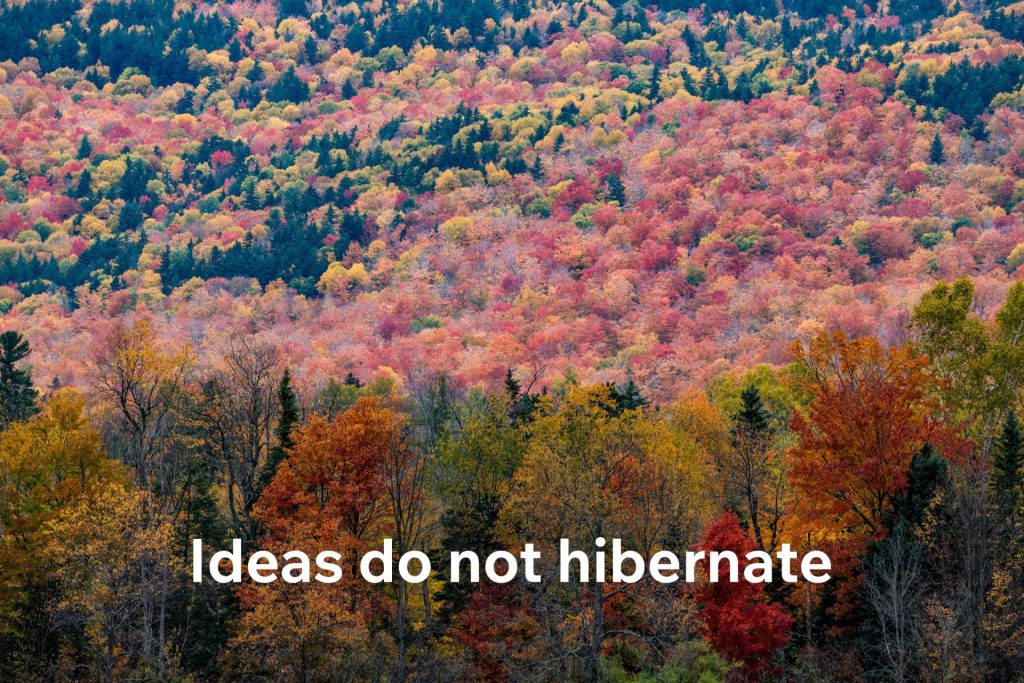
Photo Credit: Tom Rossiter
The institutional form of this work may evolve. But ideas do not hibernate. Scientific frameworks do not hibernate. And the need for better biodiversity intelligence has only intensified.
Because species loss is accelerating. And our ability to see clearly — where intervention matters most — has never been greater. Which means the real question is no longer whether we can know enough. It is whether we are prepared to act proportionately to what we already know.
The real power of this work is that it makes knowledge actionable. Not simply descriptive — but decision-relevant. It helps answer a practical question: Where, specifically, do our next decisions matter most?
Because protecting life at planetary scale can feel impossibly large until it becomes visible in actual places. A watershed. A forest edge. A river corridor. A mountain system. A patch of habitat whose importance might otherwise remain unseen.
And once we can see that clearly, responsibility changes. The work becomes less abstract. It becomes less about saving nature somewhere else — and more about understanding what each place contributes to the living whole.
That is what I think Ed hoped for. That knowledge would not distance us from life — but bring us closer to our obligations to it.
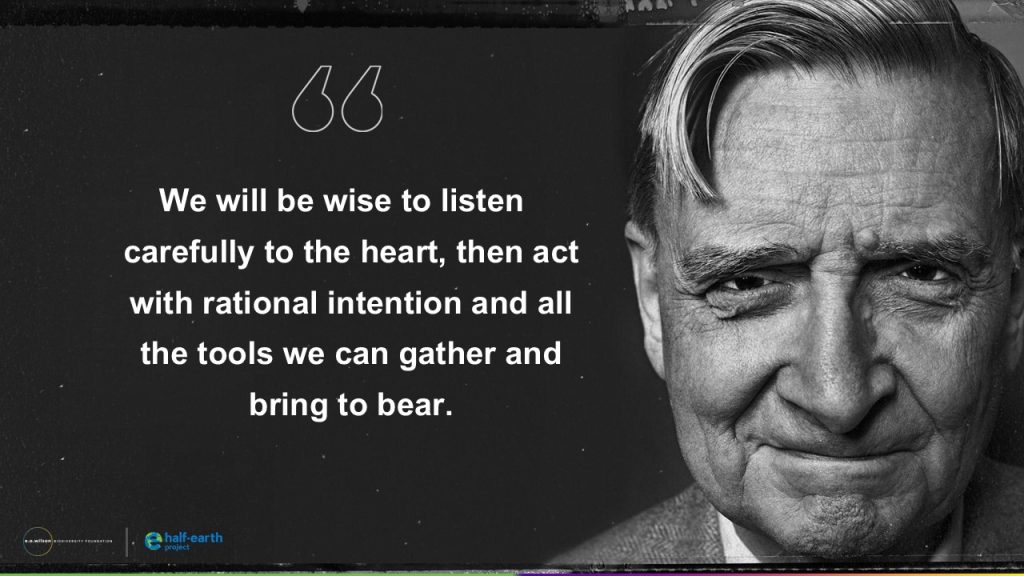
“We will be wise to listen carefully to the heart, then act with rational intention and all the tools we can gather and bring to bear.”
E.O. Wilson
We stand on the shoulders of giants. And from that perch, in this moment, we have the ability to see farther and more clearly than ever before — where life depends upon place, and where responsibility begins.
Explore the Work
Half-Earth Project Map
Explore species distributions and conservation priorities for any place on Earth. Freely available to all.
E.O. Wilson Biodiversity Foundation
Learn about the Half-Earth Project, the PEN/E.O. Wilson Literary Science Writing Award, Half-Earth Day, and the Foundation’s full body of work.
E.O. Wilson Land Between the Rivers Preserve
The Alabama delta preserve named in E.O. Wilson’s honor. Learn about its biodiversity significance and the partnership with The Nature Conservancy.
Half-Earth Day
Annual gathering of thinkers across disciplines. Conversations archived and freely accessible.