
By: Paula J. Ehrlich
When E.O. Wilson first flew across the Cheringoma Plateau to Gorongosa National Park in 2011 it was a transformative experience for him. As the leading naturalist of our time, he had been on field expeditions throughout the world, but this was his first time experiencing the awesome spectacle of vast herds of elephants, hippopotamuses, crocodiles, and antelopes. “Here”, he reflected in his book, A Window on Eternity, “was the last megafauna on Earth.”
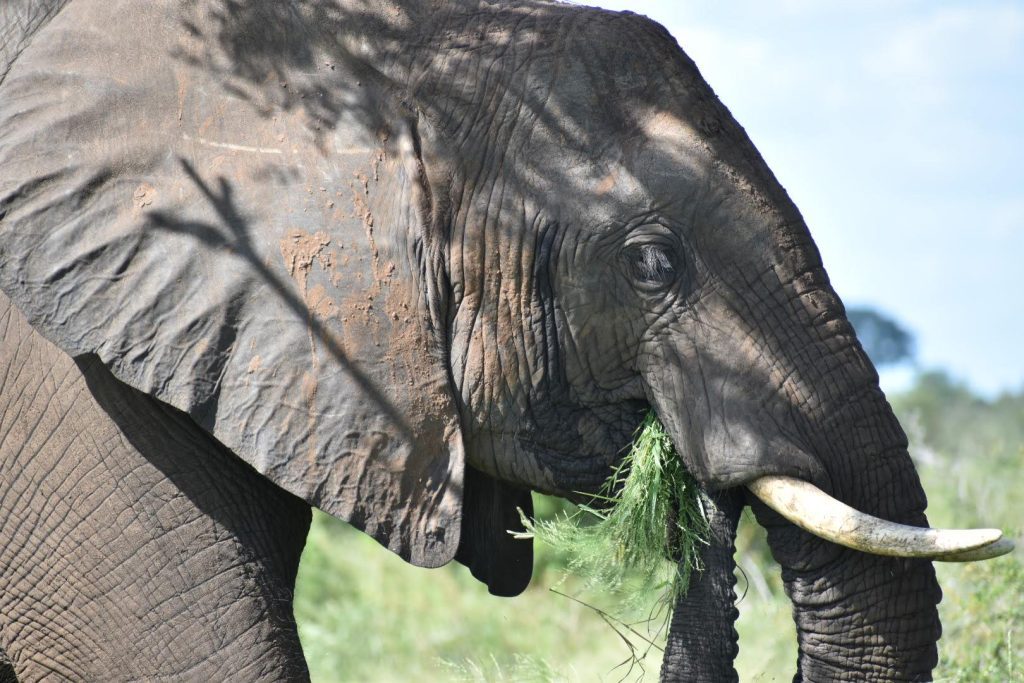
His companion on the helicopter that day was Greg Carr, Board member of the E.O. Wilson Biodiversity Foundation and philanthropic champion of Gorongosa National Park. Since 2004, Carr had been working alongside the government of Mozambique to restore the park, which had been left in ruins by a long civil war.
Key to the successful restoration of Gorongosa National Park was an understanding of the species that remained, alongside an understanding of how to nurture their sustainable resilience within the ecosystems they depend upon. The E.O. Wilson Biodiversity Laboratory was subsequently created to comprehensively inventory the biological richness of the country and create local research and training opportunities to inform the ongoing protection of biodiversity in Gorongosa.
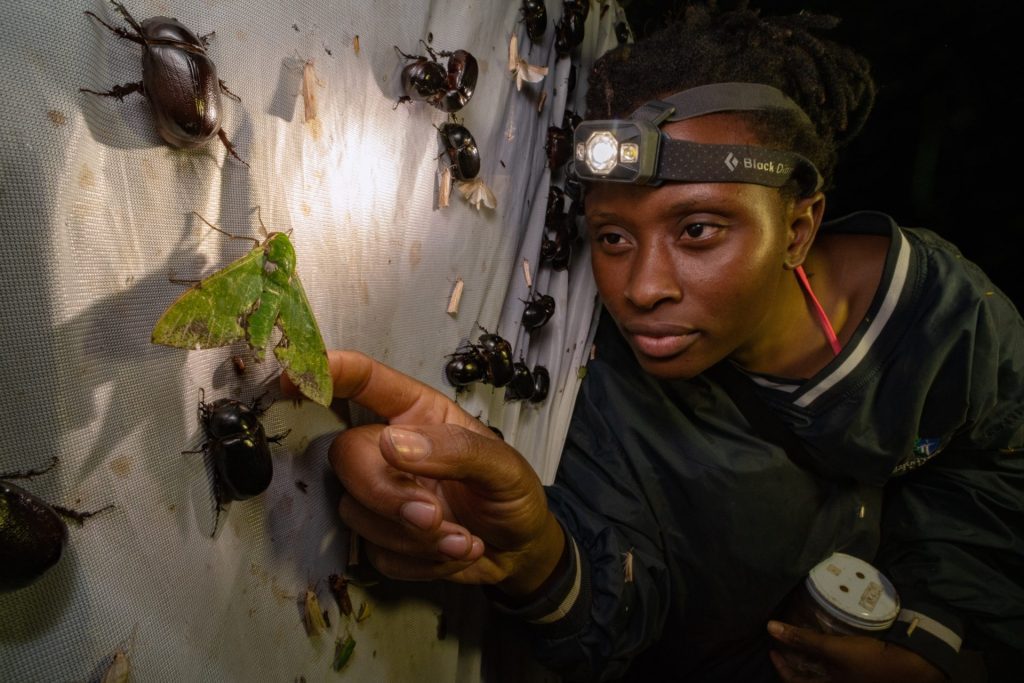
In the book, Half-Earth, E.O. Wilson celebrated the scientific research and education programs in these new laboratories, led by “the finest naturalist of [his] acquaintance”, tropical biologist Piotr Naskrecki. Dr. Naskrecki has subsequently mentored dozens of young Mozambican scientists as the E.O. Wilson Biodiversity Foundation’s inaugural Half-Earth Chair, advancing discovery and identification of over 100 new species to science, and building capacity in support of local stewardship.
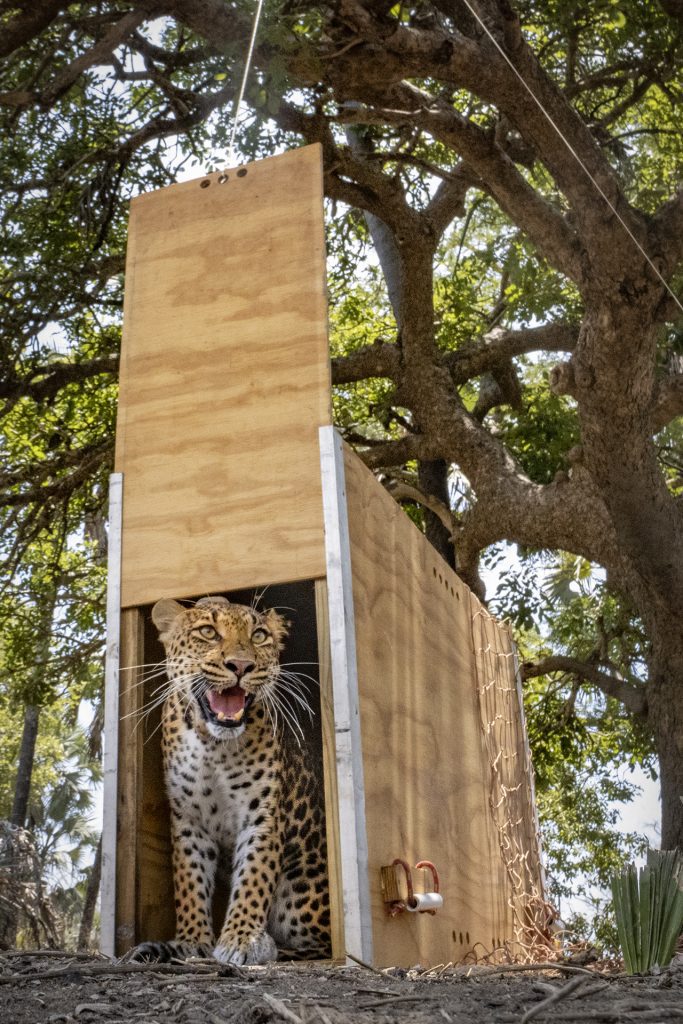
The park has become a model for integrated multi-partner conservation and people-centered development. As highlighted recently by Alex Wooley in his New York Times article interview with Greg Carr on the importance of U.S.A.I.D. to national parks and conservation areas, Gorongosa National Park now “shelters more than 100,000 animals, including elephants, lions, hippos, antelope, painted wolves, hyenas and leopards.”
As E.O. Wilson said in Half-Earth, “We should forever bear in mind that the beautiful world our species inherited took the biosphere 3.8 billion years to build. The intricacy of its species we know only in part, and the way they work together to create a sustainable balance we have only recently begun to grasp. Like it or not, and prepared or not, we are the mind and stewards of the living world. Our own ultimate future depends upon that understanding.”
Paula J. Ehrlich is the President and CEO of the E.O. Wilson Biodiversity Foundation and co-founder of the Half-Earth Project.