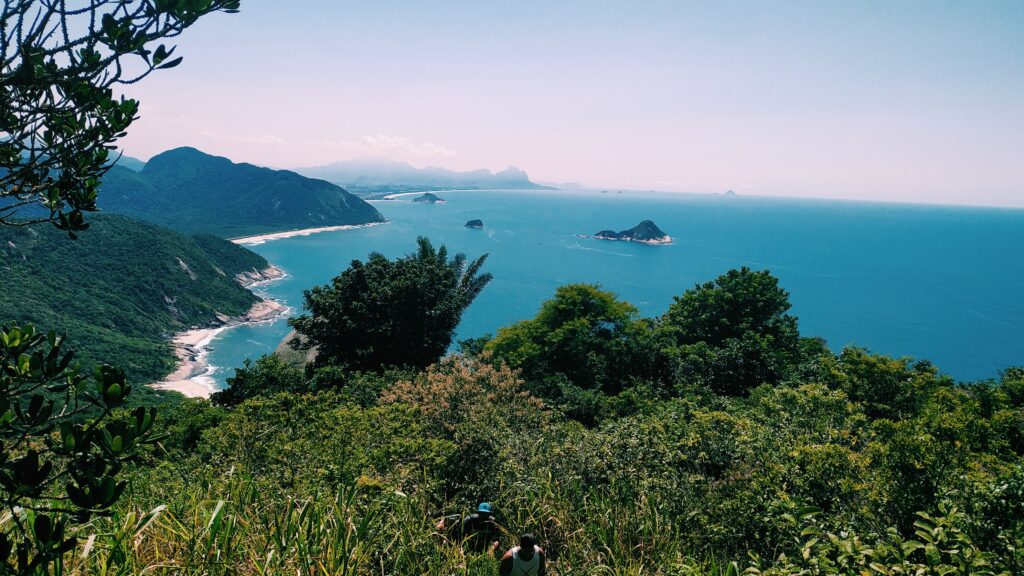
Algeria is the largest country in Africa, and its terrain is 80% desert. The Atlas Mountains rise in the far north and Hoggar Mountains cross the south. The country also has a narrow coastal plain bordering the Mediterranean Sea. Most of the country’s land is used for human activities, in its majority by rangeland.
Algeria has high biodiversity rarity of terrestrial land vertebrates at a global scale. When analysed as single taxons, the rarity of amphibians, birds and reptiles is also high. The rarity of marine fish and mammals is also high. Challenges to biodiversity in Algeria include air pollution in major cities; soil erosion from overgrazing and poor agricultural practices; desertification; sewage pollution. Water pollution from industrial effluents is impacting rivers and coastal waters, in particular the Mediterranean Sea.