
Half-Earth Day 2025 Speakers
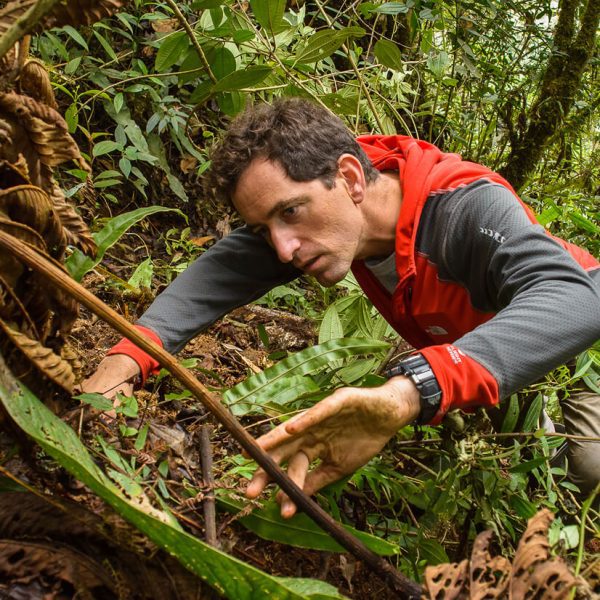
Alessandro Catenazzi, Half-Earth Chair, E.O. Wilson Biodiversity Foundation
Dr. Alessandro Catenazzi is the newest Half-Earth Chair of the E.O. Wilson Biodiversity Foundation’s principal program, the Half-Earth Project. Alessandro is a Swiss-Peruvian herpetologist with a strong interest in conservation biology. His impressive work spans several disciplines, including taxonomy, community ecology, disease ecology, and physiology, with the primary goal of preserving biological diversity.
He leads urgent work on the pathogenic fungus Batrachochytrium dendrobatidis, quantifying its impact on amphibian biodiversity and tracing the pathogen’s spread in the Amazon’s cloud forests and slopes of the Andes. Alessandro’s research on the vulnerability of reptiles and amphibians to climate warming is multi-faceted, employing experimental, observational, and modeling approaches. In addition to these lines of research, Alessandro is making tremendous advances in our biodiversity knowledge by describing several new amphibian and reptile species and genera to science. His commitment to the conservation of reptiles and amphibians is reflected in his work for the IUCN Red List Authority since 2009. The RLA provides up-to-date information on the extinction risk of every amphibian known to science (~7400).
He is actively involved in stewarding the next generation of Latin American scientists as an associate professor at Florida International University, where he mentors undergraduate and graduate students and teaches courses in conservation biology. Alessandro also leads field courses at the Amazon Center for Environmental Education and Research in Peru to train Peruvians, international students, and primary/secondary teachers in tropical biology.
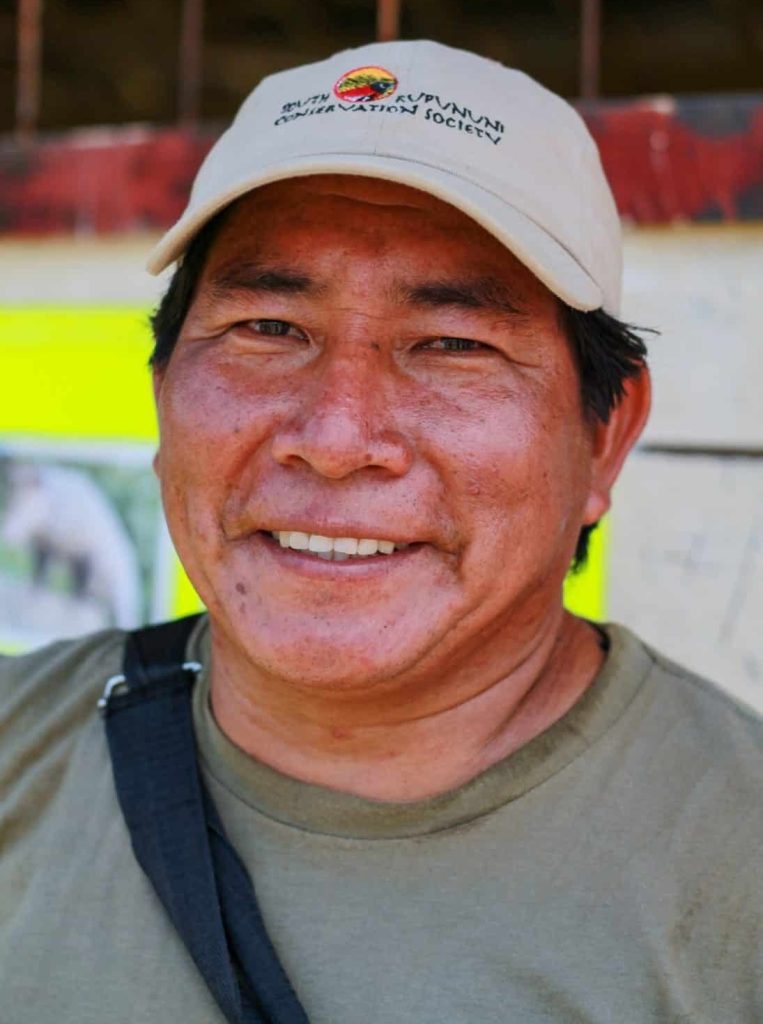
Angelbert Johnny, Project Coordinator, South Rupununi Conservation Society
Angelbert Johnny is a Wapichan conservationist from Guyana with over two decades of experience working with the South Rupununi Conservation Society (SRCS), a grassroots organisation formed to address the rapid decline of local wildlife. He began his conservation work by monitoring and protecting the critically endangered Red Siskin and now serves as Project Manager for the SRCS Giant Anteater and Giant Armadillo Community Research and Conservation Programme. Angelbert has extensive experience in field mapping, cultural research, and monitoring Indigenous territories in collaboration with the South Rupununi District Council. His work has contributed to defending Indigenous land rights and advocating for ancestral land recognition. Today, he advises village councils on land issues and supports communities in establishing and managing community conserved areas to protect vulnerable habitats and species.

Alison Taylor, Climate Leader in Residence, Duke University
Alison Taylor is Duke’s newest Climate Leader in Residence, bringing extensive public and private sector experience to the university. Taylor, a Duke alumna, most recently oversaw global sustainability strategy for ADM as one of the longest-tenured chief sustainability officers in the country. Her time at ADM followed more than a decade at the global technology company Siemens, where she occupied a similar role as vice president and chief sustainability officer of the Americas. Prior to joining the corporate world, she served on Capitol Hill for nearly a dozen years as counsel to House and Senate committees.

Ami Vitale, Executive Director, Vital Impacts
Ami Vitale’s career stands as a testament to her deep dedication to documenting and addressing global crises. As an acclaimed National Geographic photographer, writer, and documentary filmmaker, as well as the founder of Vital Impacts, Ami has consistently spotlighted critical issues affecting our world. Her journey began in conflict zones, where she observed firsthand how environmental degradation—from resource scarcity to climate change—intensifies human suffering and conflict. This early exposure shaped her understanding of the profound connections between human and environmental crises.
Vitale’s work focuses on the stories of individuals living on the front lines of war, climate change, and extinction, who refuse to let cataclysm define their futures. Through her compelling journalism, she highlights stories of resilience and innovation, emphasizing the delicate balance between humanity and wildlife and the urgent need for conservation. Vitale’s work connects viewers to critical local conservation issues of global importance, underscoring our interconnectedness with one another and the natural world.
In addition to her journalism and filmmaking, Vitale is the founder and Executive Director of Vital Impacts, a non-profit organization that leverages the power of art to inspire and mobilize youth as agents of change. Vitale and her non-profit have raised over $5 million to support vital conservation projects.
Ami is an honorary fellow of the Royal Photographic Society and a recipient of the prestigious Lucie Humanitarian Award, the Missouri Honor Media for Distinguished Service, and an inductee into the North Carolina Media and Journalism Hall of Fame. She has also received the Daniel Pearl Award for Outstanding Reporting, been named Magazine Photographer of the Year at the International Photographer of the Year awards, and is a six-time recipient of World Press Photo awards.
Instyle magazine featured her alongside Jane Goodall and Ruth Bader Ginsburg in its series “Fifty Badass Women,” celebrating women who exemplify courage and action. Ami is currently serving as Conservation International’s 2023/2024 Lui-Walton Innovators Fellow. A sought-after speaker, she continues to share her experiences and insights with audiences worldwide, and in 2025, she will be featured on the National Geographic Channel Explorer TV series.
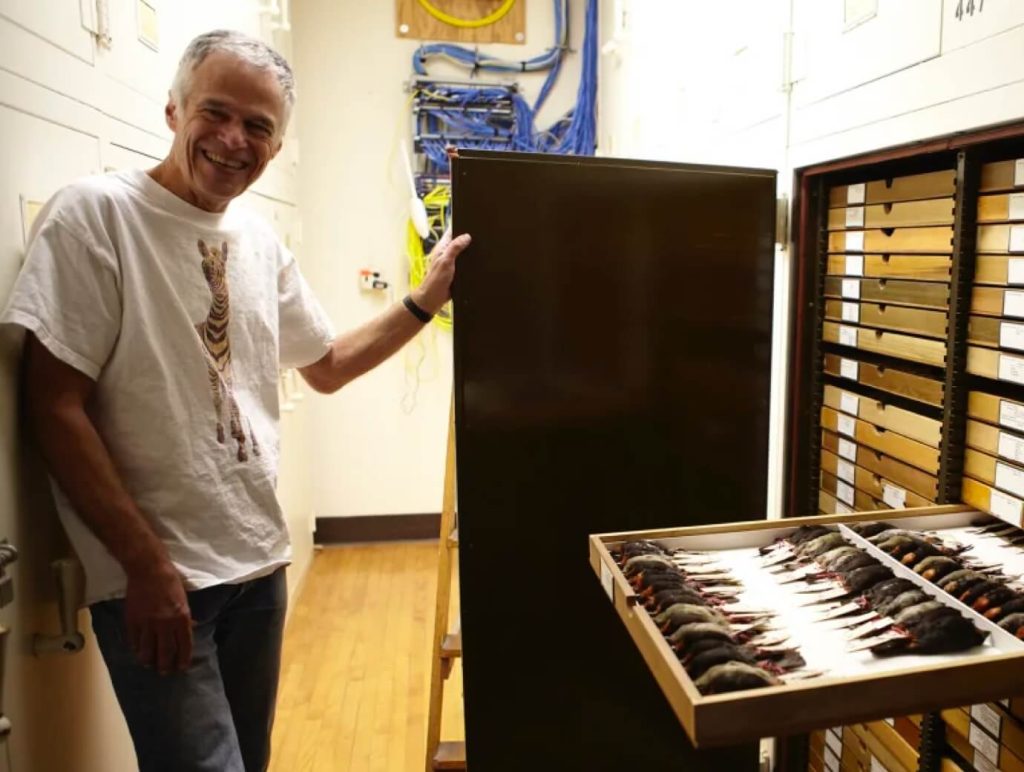
David Willard, Bird Researcher - Adjunct Curator
Dave has spent his career making substantial impacts on the conservation and biodiversity of birds both in-the-field and in-the-museum. His efforts span across research, collections curation, educational outreach, and public engagement. In addition to work in Chicago, Dave has conducted fieldwork in other parts of the world such as South America, the Philippines, and Africa.
Dave joined the Field Museum in 1976 and has had a diverse and productive career managing the Museum’s Collection of Birds, and working collaboratively with colleagues at the Museum, across Chicago, and internationally. Since he arrived in Chicago, Dave has worked tirelessly to compile data on spring and fall migration of bird species along the Chicago lakefront. In particular, Dave has spent the last nearly 50 years documenting daily window strikes by birds during migration around McCormick Place. His work, as well as collaboration with other groups and federal agencies, helped play a significant role in the decision by McCormick Place leadership to install new window treatments to deter birds from striking the glass. This resulted in a near 95% reduction in bird strikes.
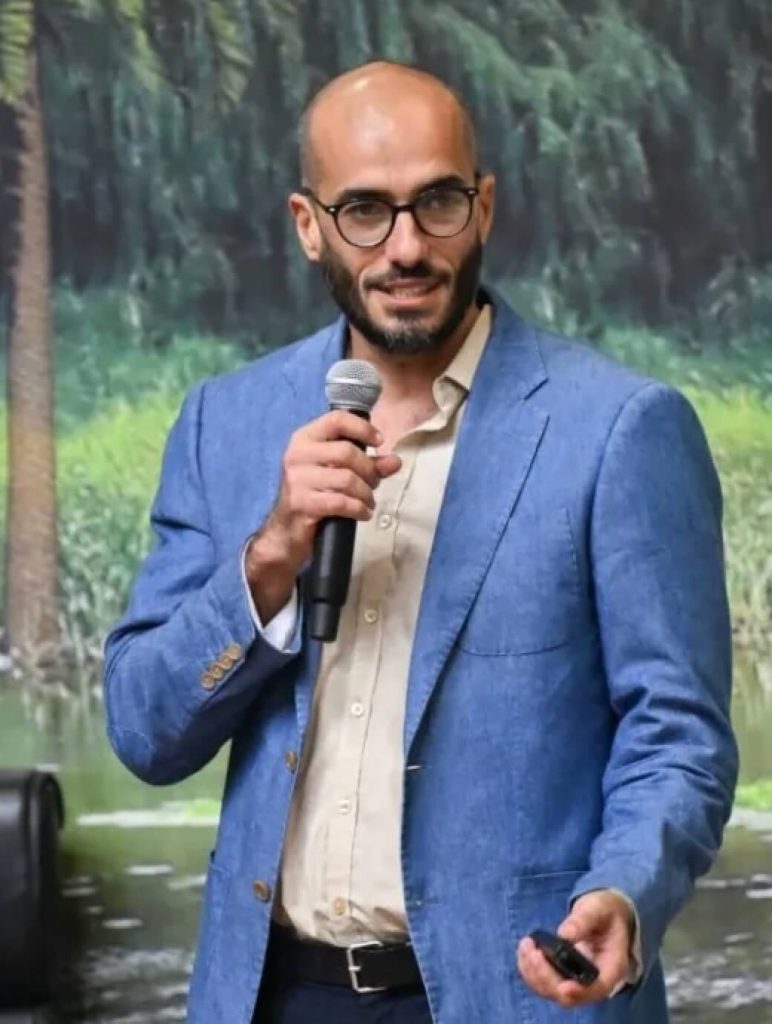
Damian Fernandes, Senior Advisor to the Protected Areas Commission, Government of Guyana and Conservation International Guyana
Damian Fernandes is a graduate of the University of Guyana and the former Commissioner of the Protected Areas Commission. For most of his career he has worked in the environment and natural resources sector, with a part focus on community-based conservation and integrated land-use planning. He is on the Conservation International Guyana team and serves as the Senior Advisor to the Protected Areas Commission supporting the Government of Guyana as they strive to reach their 30×30 goals.
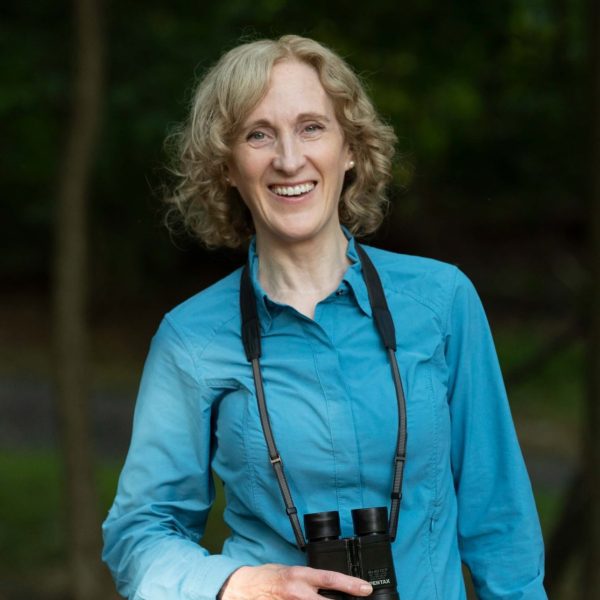
Elizabeth Gray, Chief Executive Officer, National Audubon Society
Dr. Elizabeth Gray serves as Audubon’s Chief Executive Officer, leading the organization toward its vision of a future where birds thrive. A champion of science-based conservation and a renowned expert in global conservation and climate change, she joined Audubon in March 2021 as President and Chief Conservation Officer and was named CEO later that year—the first woman since Audubon’s founding in 1905 to hold the role. She leads more than 800 staff working across the Americas to alter the course of climate change and habitat loss. Since her arrival, she has led a landmark $826 million campaign, the groundbreaking release of the Migratory Bird Explorer, and the unifying Flight Plan strategy, reinforcing Audubon’s commitment to hemispheric conservation through the power of birds. Under Elizabeth’s leadership, Audubon has embraced a multicultural, multigenerational approach, ensuring its work reflects and engages all the communities connected to conservation across the Western Hemisphere.
Prior to Audubon, she most recently served as Global Managing Director of The Nature Conservancy’s (TNC) Climate Change program, where she played a key role in securing a $100 million philanthropic gift—one of the largest in TNC’s history—and managed the natural climate solutions initiative it funded. A proven fundraiser, she has secured six-, seven-, and nine-figure gifts to advance conservation and climate solutions. Trained as an ornithologist, she has spent 30+ years as a conservationist, spending considerable time in the field nationally and abroad. She also led two of TNC’s most notable impact capital projects, the $130 million Cumberland Forest Impact Investment Fund, which supported sustainable forestry in the Appalachians, and a groundbreaking urban conservation program in Washington, D.C. She holds a PhD in ecology from the University of Washington and an AB with highest honors in psychology from Harvard University.
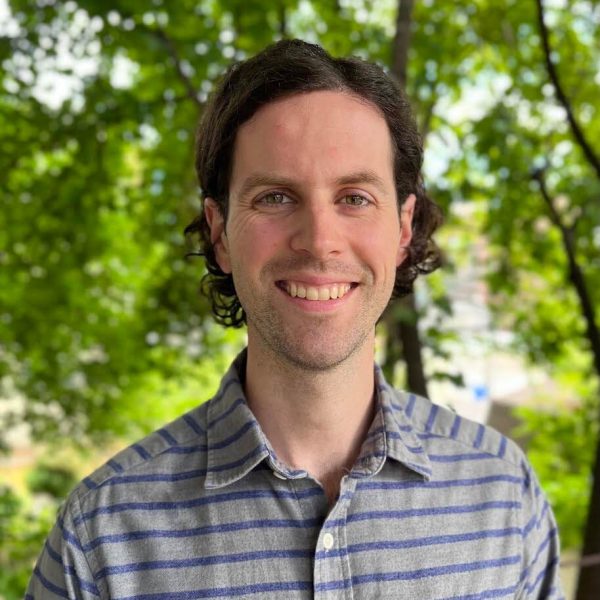
Elliott Oakley, Environmental Social Scientist, Keller Science Action Center, Field Museum
Elliott Oakley, PhD is a cultural anthropologist at the Field Museum of Natural History in Chicago. His research focuses on the politics of conservation and environmental governance in Guyana, where he works with Indigenous communities, scientists, and conservation practitioners to support local livelihoods and biodiversity conservation. Dr. Oakley serves on the Board of the Society for the Anthropology of Lowland South America and was previously Programming Director at the Center for Research and Collaboration in the Indigenous Americas (CRACIA). He earned his PhD in Social Anthropology from the University of Edinburgh.
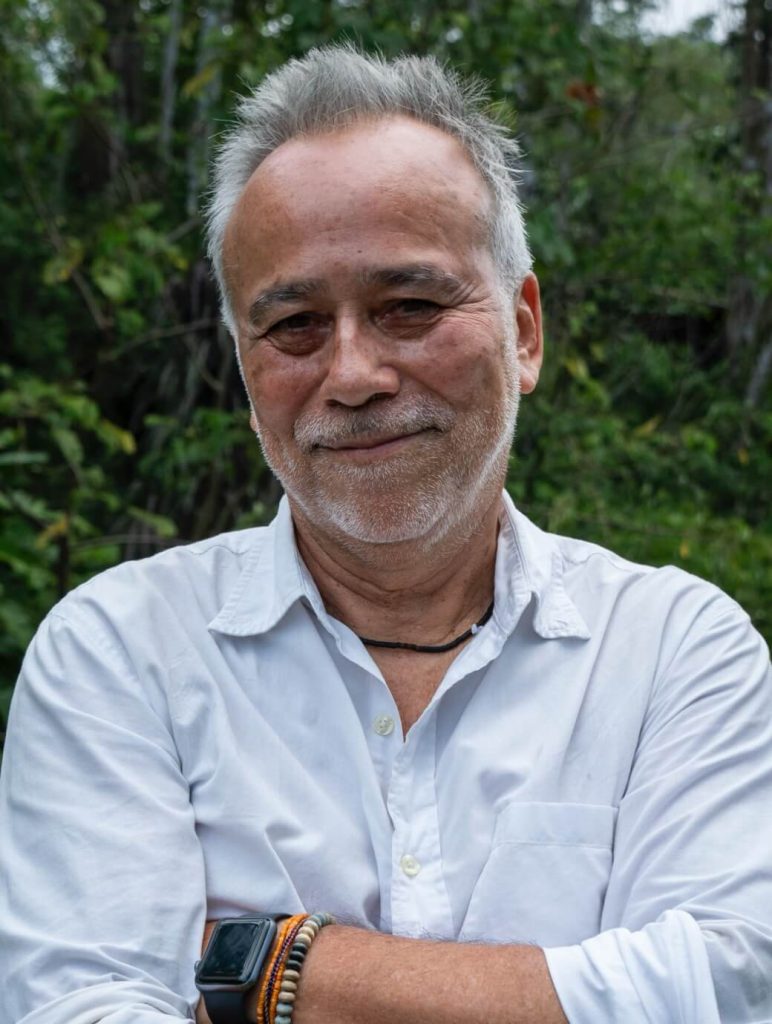
Enrique Ortiz, Senior Program Director, Andes Amazon Fund
Enrique Ortiz is the Senior Program Director of the Andes Amazon Fund and a well-respected conservationist throughout Latin America. Trained as a tropical ecologist, he has long worked in various ecosystems as a scientist and is an active promoter of protecting land, particularly in the Amazon. He has been working in philanthropic organizations that support protected areas and conservation of biodiversity in the Andes-Amazon region for over two decades. He holds degrees from San Marcos University (Peru) and Princeton University (USA).
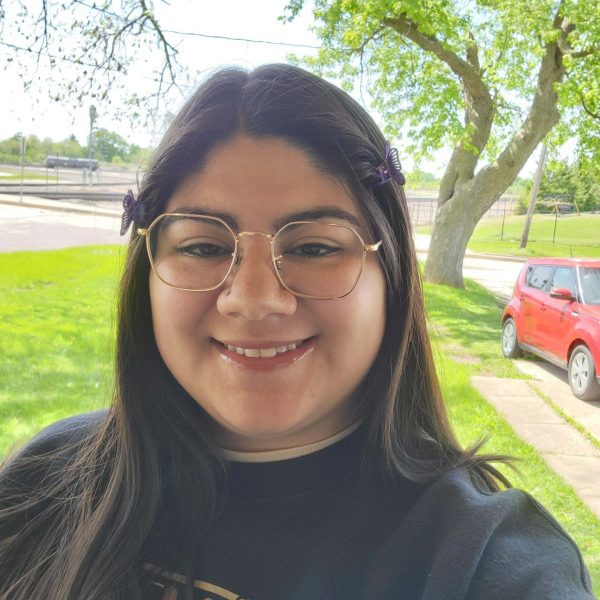
Esmeralda Laguna, Seasonal Conservation Action Facilitator, Shedd Aquarium
Esmeralda Lagunas is a budding conservation ecologist who is currently working as a Conservation Action Facilitator at the Shedd Aquarium, where she runs beach clean-ups and woodland restoration days for volunteers, encourages kids to catch the biggest fish possible at their fishing program, and leads kayak ecological tours along the Chicago River, highlighting the beauty of the Wild Mile floating wetlands. An alum of Agnes Scott College in Decatur, GA, Esmeralda graduated with a Bachelor of Science in Biology and is passionate about protecting wildlife and biodiversity through community engagement.
Before her employment at Shedd Aquarium, Esmeralda worked in the Keller Science Action Center at the Field Museum for two seasons, engaging communities throughout the Calumet area and South-and-West Sides of Chicago through native plant giveaways and event tabling through the Roots & Routes program, facilitating volunteer outings to Beaubien Woods for seed collecting and land stewardship, and familiarizing school-age children with natural areas around them through the Mighty Acorns program. As a native Chicagoan who did not truly experience green spaces until heading off to college, Esmeralda believes in equitable access to these spaces. She strives to tailor large scientific ideas to the curious minds of both children and adults alike in hopes of encouraging people to explore the nature around them.
When Esmeralda is not off gallivanting in the woods or looking for cool plants in the prairie, you can probably find her swimming in the lake before the cold sets in or curled up with a good book and a pot of tea.
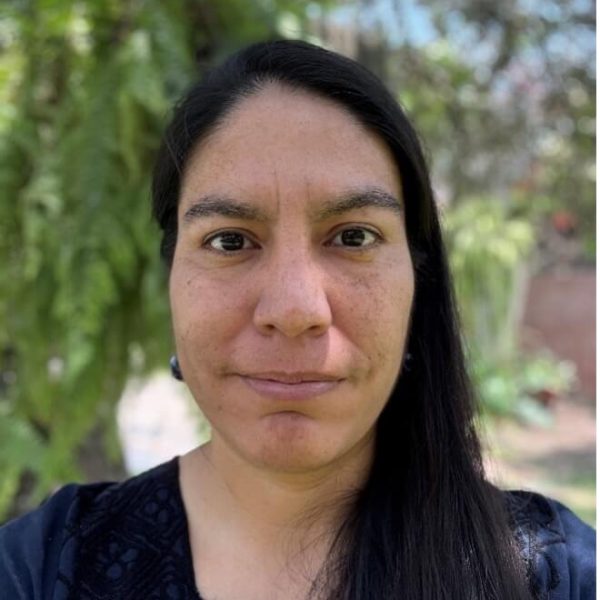
Farah Carrasco Rueda, Conservation Ecologist, Field Museum
Peruvian biologist with a Ph.D. in Interdisciplinary Ecology from the University of Florida, currently working as a Conservation Ecologist at the Field Museum of Chicago. Her work focuses on evaluating mammal diversity, including bats, medium-sized, and large mammals, across the Amazon region, with an emphasis on understanding the impacts of human activities on biodiversity and the ecology of these species. She has conducted research in Peru, Colombia, Brazil, and Guyana, and has extensive experience leading biological baselines and rapid inventories. She has also coordinated and supported transboundary conservation initiatives, collaborating with a wide range of partners, including government agencies, NGOs, Indigenous and local organizations, academic institutions, and the private sector. In addition to her research, she actively participates in volunteer groups dedicated to empowering women and promoting diversity, equity, and inclusion in science and conservation.
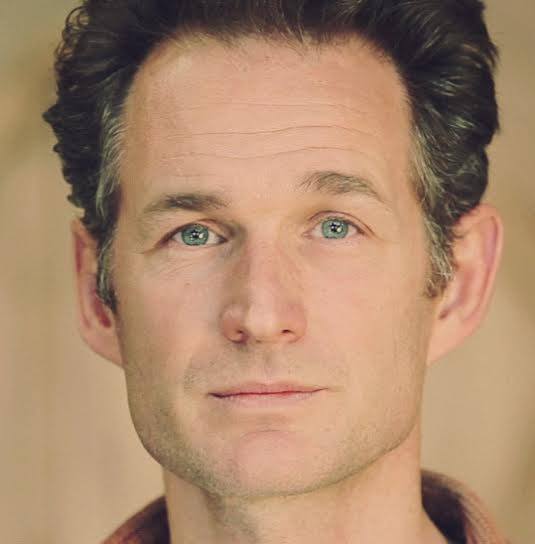
Gary Staab, Paleo Artist
“The aim of art is to represent not the outward appearance of things, but their inward significance.” ~Aristotle
There is so much to be curious about in the natural world. It is filled with endlessly fascinating forms, textures and compositions, but I believe the greatest challenge of art, is to reach the viewer on an emotional level. My greatest desire as an artist is to elicit a spark of empathy for my subject.
Gary Staab/Staab Studios produces natural history and prehistoric life models for museums, publishing and film. Gary has a degree in Art/Biology and interned at the Smithsonian Institution and the British Museum of Natural History. Staab’s work and eclectic studio demonstrate a flair and passion for natural forms both past and present. He has created sculptures for National Geographic Magazine, the Carnegie Museum of Natural History, the America Museum of Natural History, the BBC, and Discovery Channel among many others. His work recreating the mummy of the “Iceman” can be seen on the PBS, NOVA special “Iceman Reborn.” He and his team recently completed the installation of a 52ft long prehistoric shark, Megalodon, for the Smithsonian’s National Museum of Natural History in Washington D.C.
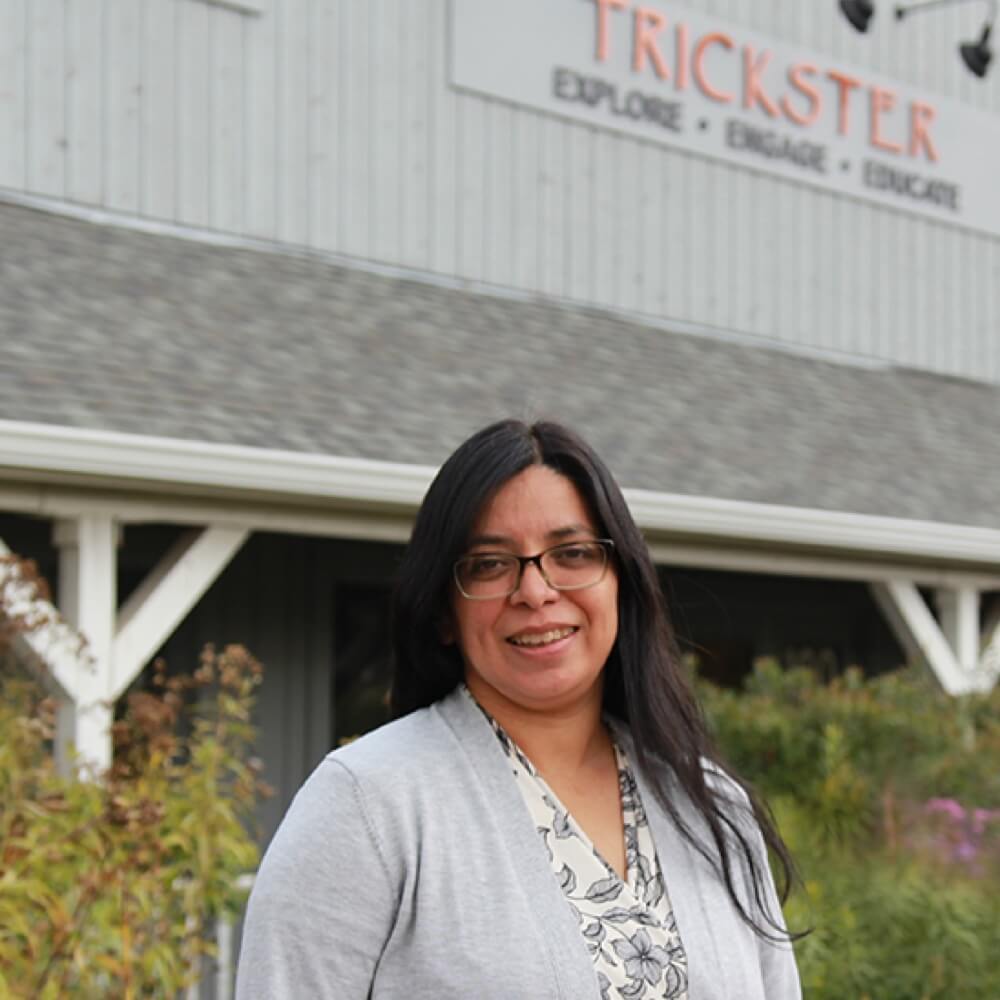
Gina Roxas, Executive Director, Trickster Art Gallery
Gina Roxas, a citizen of the Prairie Band Potawatomi Nation, is the Executive Director of the Trickster Cultural Center in Schaumburg, Illinois. With a foundation in environmental studies and a deep grounding in her Grandmother’s traditional teachings, Gina bridges Indigenous knowledge and Western science to advance ecological stewardship and cultural resilience. Her leadership at Trickster amplifies Native American voices through first-voice narratives, contemporary arts, and community education. She guides land-based initiatives that revitalize traditional plant knowledge, linking healing, environmental justice, and self-determination across Native communities and partner institutions.
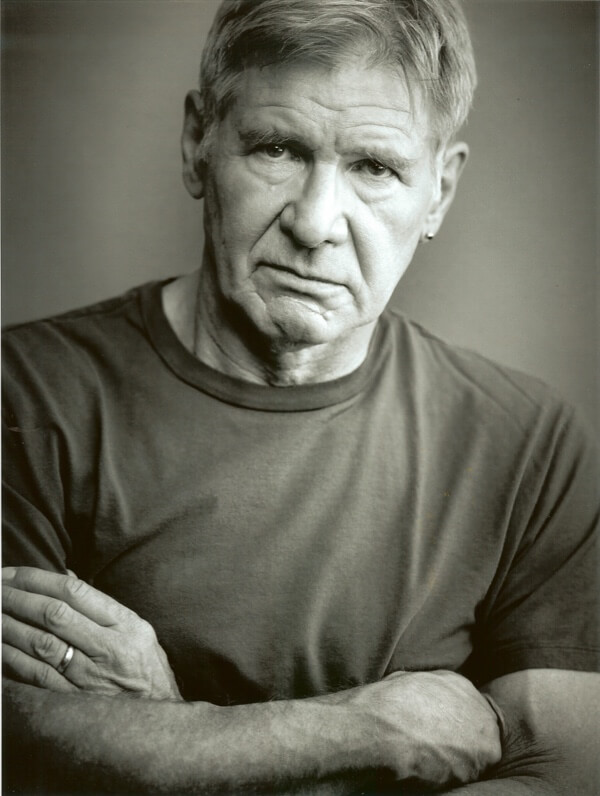
Harrison Ford, Actor
Harrison Ford has starred in many of the most successful and acclaimed films in cinema history, including the landmark Star Wars and Indiana Jones franchises, as well as eight Best Picture Oscar®-nominated films. He has earned numerous Best Actor nominations, including an Academy Award®, three Golden Globe Awards®, and a BAFTA Award®.
Throughout his distinguished career, Ford has been consistently recognized for his impact on the film industry. His accolades include the British Academy of Film and Television Arts’ Albert R. Broccoli Britannia Award, the Hollywood Foreign Press Association’s Cecil B. DeMille Award, the American Film Institute’s Lifetime Achievement Award, and an honorary César Award. In 1994, the National Association of Theater Owners named him the Box Office Star of the Century.
Ford currently can be seen in the second season of Taylor Sheridan’s 1923. He stars as Jacob Dutton, opposite Helen Mirren, in the Yellowstone prequel that follows the Dutton family during the era of Western expansion, Prohibition, and the Great Depression. The series was nominated for Best Television Series – Drama at the 2024 Golden Globes.
In 2026 Harrison will be seen in the third season of Apple TV’s acclaimed comedy series Shrinking created by Brett Goldstein, Bill Lawrence, and Jason Segel. For his performance, Ford received nominations for Best Supporting Actor in a Comedy Series, a Golden Globe Award for Best Supporting Actor, and a SAG Award for Outstanding Performance by a Male Actor in a Comedy Series. The show also received a nomination for Best Comedy Series at the 2024 Critics Choice Awards.
Ford recently made his debut in the Marvel Cinematic Universe in Marvel Studios’ Captain America: Brave New World, playing Thaddeus “Thunderbolt” Ross, who rises to the role of President of the United States. He stars alongside Anthony Mackie, who reprises his role as the new Captain America.
He also returned to the big screen for his fifth portrayal of Indiana Jones in Indiana Jones and the Dial of Destiny, directed by James Mangold and produced by Steven Spielberg and George Lucas. The film premiered at the 2023 Cannes Film Festival, where Ford was honored with the festival’s prestigious honorary Palme d’Or for lifetime achievement.
Ford’s recent work includes serving as an executive producer on the Annapurna drama series The Staircase, based on the real-life murder trial of Michael Peterson, and starring as John Thornton in Fox’s adaptation of Jack London’s classic novel The Call of the Wild, alongside Dan Stevens and Omar Sy. He also voiced the character of Rooster, a tough farm dog, in Universal Pictures’ animated film The Secret Life of Pets 2, with Kevin Hart and Tiffany Haddish.
He has reprised several of his most iconic roles, including Rick Deckard in Denis Villeneuve’s Blade Runner 2049, opposite Ryan Gosling, and Han Solo in Star Wars: Episode VII – The Force Awakens, which broke box office records to become the highest-grossing domestic film at the time of its release.
A native of Chicago, Ford launched his film career in 1973 with a breakout performance as hot-rodder Bob Falfa in George Lucas’s American Graffiti. He reunited with Lucas four years later to originate the role of Han Solo in Star Wars: Episode IV – A New Hope. The film earned 10 Oscar® nominations, including Best Picture, and became the highest-grossing film of its time. In 1981, Ford introduced another legendary character in Raiders of the Lost Ark, directed by Steven Spielberg. He continued to lead blockbuster sequels in both the Star Wars and Indiana Jones franchises, contributing to over $1 billion in global box office revenue during the 1980s alone.
Ford’s diverse and acclaimed filmography includes performances in Francis Ford Coppola’s Oscar®-nominated The Conversation and Apocalypse Now; Ridley Scott’s sci-fi landmark Blade Runner (1982); Mike Nichols’ Working Girl; Philip Noyce’s Patriot Games and Clear and Present Danger; Andrew Davis’s The Fugitive; Wolfgang Petersen’s Air Force One; Robert Zemeckis’s What Lies Beneath; Kathryn Bigelow’s K-19: The Widowmaker; Brian Helgeland’s 42; and Gavin Hood’s Ender’s Game.
Beyond his work in film and television, Ford serves as Vice-Chairman of the Board of Directors for Conservation International, a global nonprofit dedicated to protecting biodiversity. He has been an active member of the organization for over 25 years.

Ingrid Kukuljan, Partner, Morphosis Solutions
Ingrid has over 20 years executive experience in finance across private and public markets. She is a specialist and thought leader in impact and nature investing and has worked with asset owners, supranational and corporates. Prior to joining Morphosis, she was Executive Director, Head of Impact and Sustainable Investing at Federated Hermes where she spearheaded the creation of a quantifiable biodiversity impacts database to assess equities, in collaboration with the Natural History Museum in London. Her previous roles were with Lazard and Jupiter Asset Management. Ingrid was Co-Chair of the Natural Capital Investment Alliance, taskforce of Sustainable Markets Initiative, founded by HRH King Charles III. She is an expert member at the International Advisory Panel on Biodiversity Credits. She is Non-Executive Director at Ainir Cyclotronics. In 2024, she was included in Fin-Erth’s 101 Global Female Leaders in Nature and Climate. She was a finalist in Investment Week’s ESG and Sustainable Woman of the Year and was included in Citywire’s first global ranking of top 1,000 fund managers.
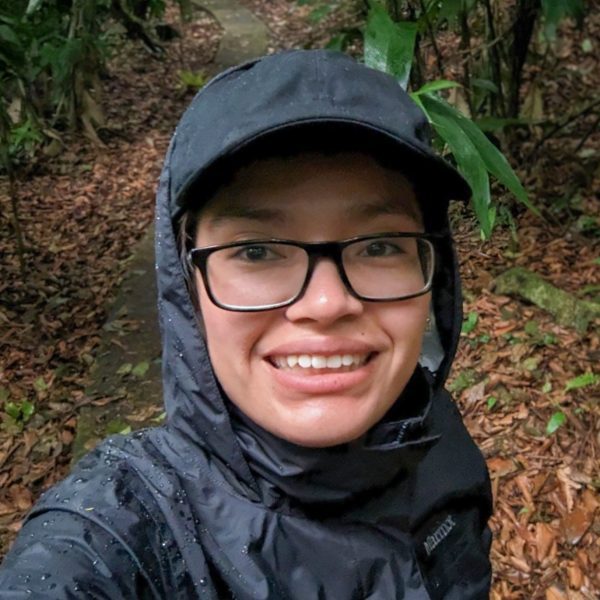
Isabel Diaz, Half-Earth Scholar, E.O. Wilson Biodiversity Foundation
Isabel is a Peruvian herpetologist originally from Cusco, Peru. She earned her bachelor’s degree in biology from the Universidad de San Antonio Abad de Cusco (UNSAAC), where her thesis examined how abiotic factors influence the composition, species richness, and relative abundance of terrestrial amphibians along an altitudinal gradient in the Amazonian Andes of Manu National Park. She is currently a Ph.D. candidate at Florida International University (FIU).
Isabel has been collaborating with Half-Earth Chair Alessandro Catenazzi’s Lab since 2015. Her research interests encompass the ecology, evolution, and conservation of amphibians and reptiles. Her current research focuses on Batrachochytrium dendrobatidis (Bd) dynamics in endemic terrestrial breeding amphibian communities in the southern Peruvian Andes, combining field observations and experimental approaches to understand its impact better.
She is also affiliated with the Museo de Biodiversidad del Peru (MUBI-Biodiversity Museum of Peru) and has contributed to environmental consulting projects across various Peruvian ecosystems. Her dedication to herpetology and conservation is evident through her active participation in scientific expeditions and collaborations with both national and international researchers.
As part of the newest cohort of Half-Earth Scholars, Isabel will continue her research on the transmission of the chytrid fungus and make progress toward completing her Ph.D.
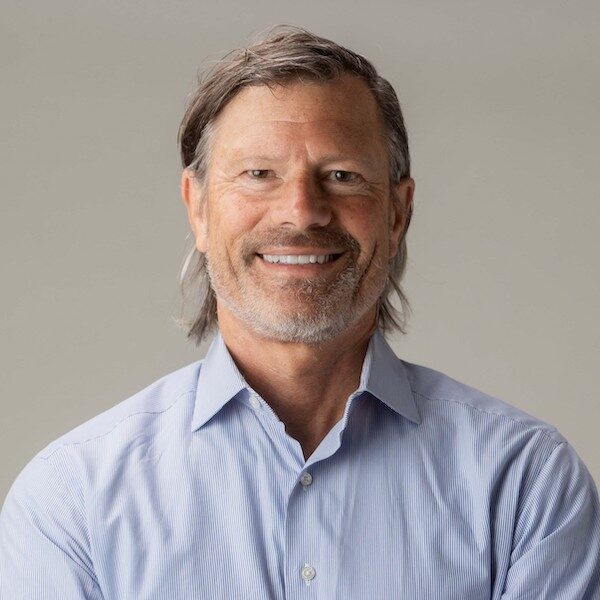
Jeff Ubben, Founder & Managing Partner of Inclusive Capital Partners, L.P.
Jeff Ubben is the Founder & Managing Partner of Inclusive Capital Partners, L.P. Inclusive Capital Partners, L.P. seeks to positively leverage capitalism and governance in pursuit of a healthy planet and the well-being of its inhabitants. Mr. Ubben is a retired Founder of ValueAct Capital, where he was Chief Executive Officer, member of the Management Committee, Chief Investment Officer, and Portfolio Manager. He has served on more than 20 public company boards throughout his career and currently serves on the boards of Bayer A.G. and the Exxon Mobil Corporation. Jeff serves on the boards of Duke University and the World Wildlife Fund, and on the boards of several other private companies. Founder of Look and See Foundation, grantees include Pristine Seas and Sustainable Ocean Alliance. He has a B.A. from Duke University and an M.B.A. from the Kellogg School of Management at Northwestern University.
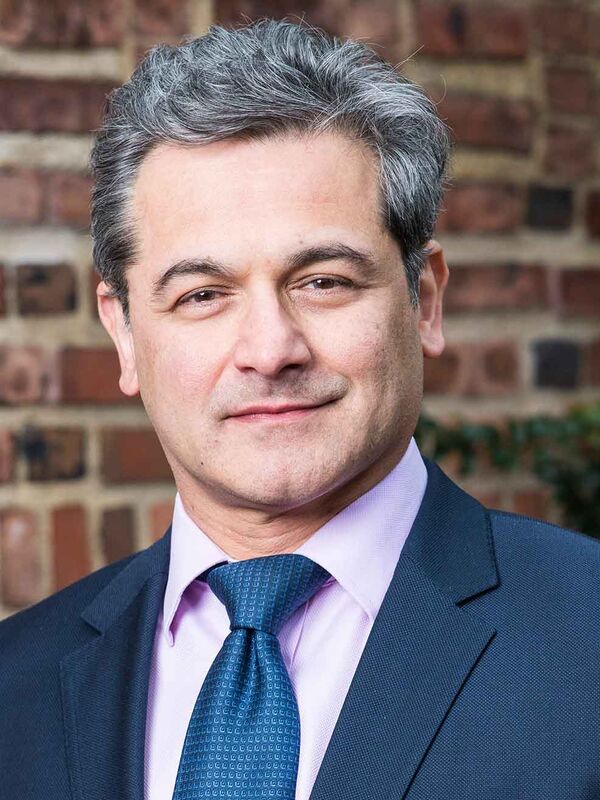
Julian Siggers, President & CEO, Field Museum
Julian Siggers has served as the President and Chief Executive Officer since September 2020.
Throughout his career, Siggers has championed the importance of communicating science to the public in a way that’s engaging and accessible. He has led countless initiatives to transform museums into vibrant spaces for public education and discovery.
Before joining the Field, Siggers was the director of the Penn Museum in Philadelphia from 2012 to 2020. He oversaw the renovation of many galleries and public spaces, including the Middle East Galleries, Africa Galleries, and Mexico and Central America Gallery. He also established the Center for the Analysis of Archaeological Materials, guided implementation of new programs that welcomed diverse audiences, and led a $100 million fundraising campaign.
Siggers was previously with the Royal Ontario Museum and the United Kingdom’s National Museum of Science and Industry. He earned his PhD from the University of Toronto, with a focus on prehistoric humans in the Middle East, and his MA and BA from the Institute of Archaeology at University College London.
Siggers is a member of the International Council of Museums (ICOM) US Board of Directors.
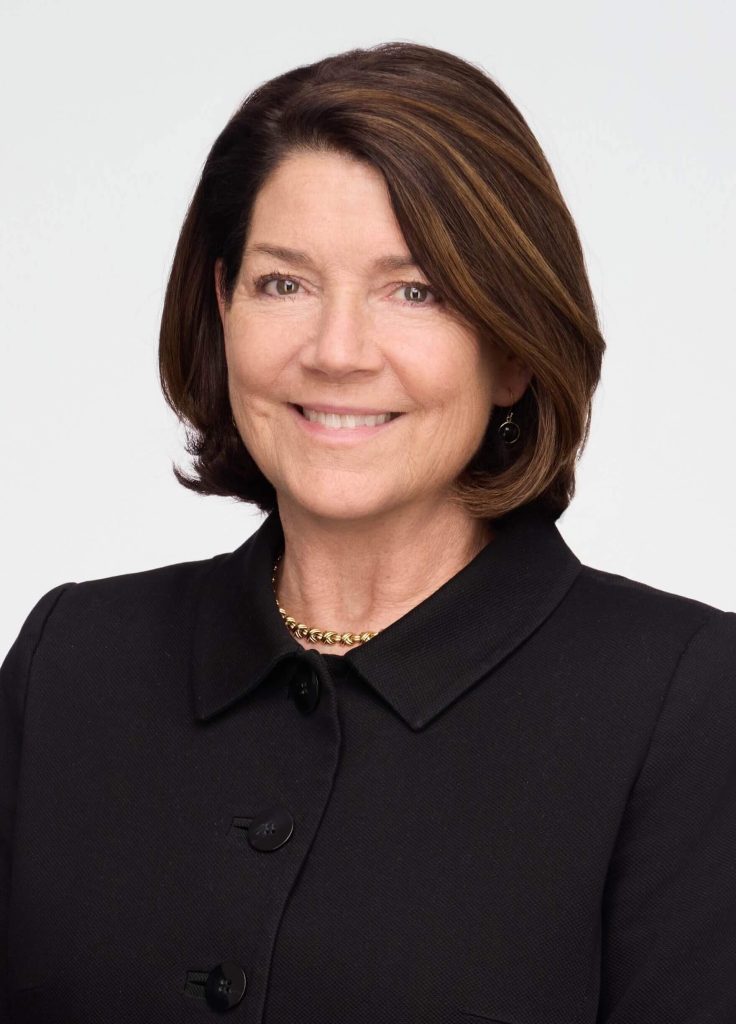
Katherine Pickus, Chief Sustainability Officer, ADM
Katherine Pickus is Chief Sustainability Officer at ADM. In this capacity, she oversees the company’s sustainability activities to support a resilient future for agriculture, the global food supply system and the billions of people who depend on it.
Pickus has built a career at the intersection of food, health, and sustainability, helping major companies navigate evolving shareholder, customer, and regulatory expectations. She has earned global recognition for pioneering sustainability strategies, including shared-value projects and catalytic philanthropy.
Pickus joined ADM from Tyson Foods, where she served as vice president for Sustainability and Global Impact, spearheading efforts to strengthen the company’s environmental and social initiatives. Prior to her role at Tyson, she led enterprise-wide sustainability programs at Griffith Foods, a key ingredient supplier to the global food industry. She previously spent 14 years at healthcare giant Abbott, rising to become division vice president of Sustainability.
Pickus holds a bachelor’s degree from Mary Baldwin University in Virginia and sits on the Trellis (formerly GreenBiz) Food Advisory Board.
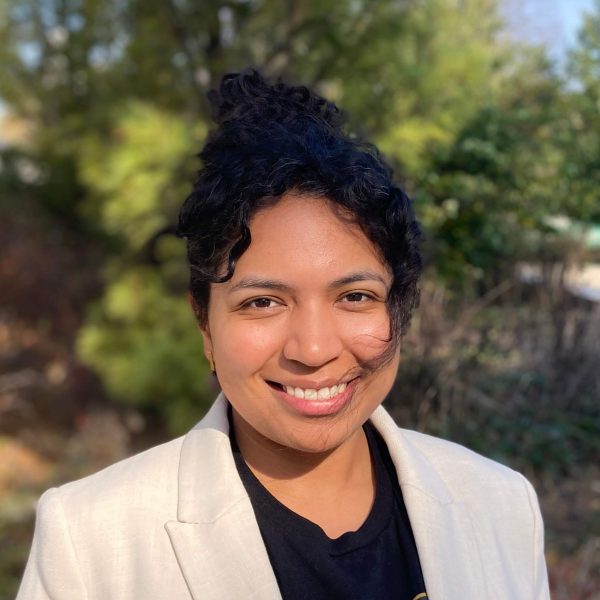
Kiana Creese, Community Engagement Specialist, Keller Science Action Center, Field Museum
My name is Kiana Creese, and I work as a Community Engagement Specialist in the Keller Science Action Center at the Field Museum. As a Community Engagement Specialist, I connect youth, families, and communities to nature, culture, and professional opportunities at the museum. I am passionate about designing opportunities for youth and young adults to develop their environmental knowledge in order to catalyze their potential as the next generation of environmental leaders. In my role at the Field Museum, I have had the privilege of mentoring over 30 youth and young adults passionate about conservation. Simultaneously, I spend much of the year coordinating large-scale cultural stewardship events in the Burnham Wildlife Corridor alongside a network of community and institutional partners. Two of those key events, the Mid-Autumn Festival and Día de los Muertos, engage hundreds of community residents on the South and West sides of Chicago each year, and they demonstrate why the connection between culture and conservation is so critical to the wellbeing of communities and nature.
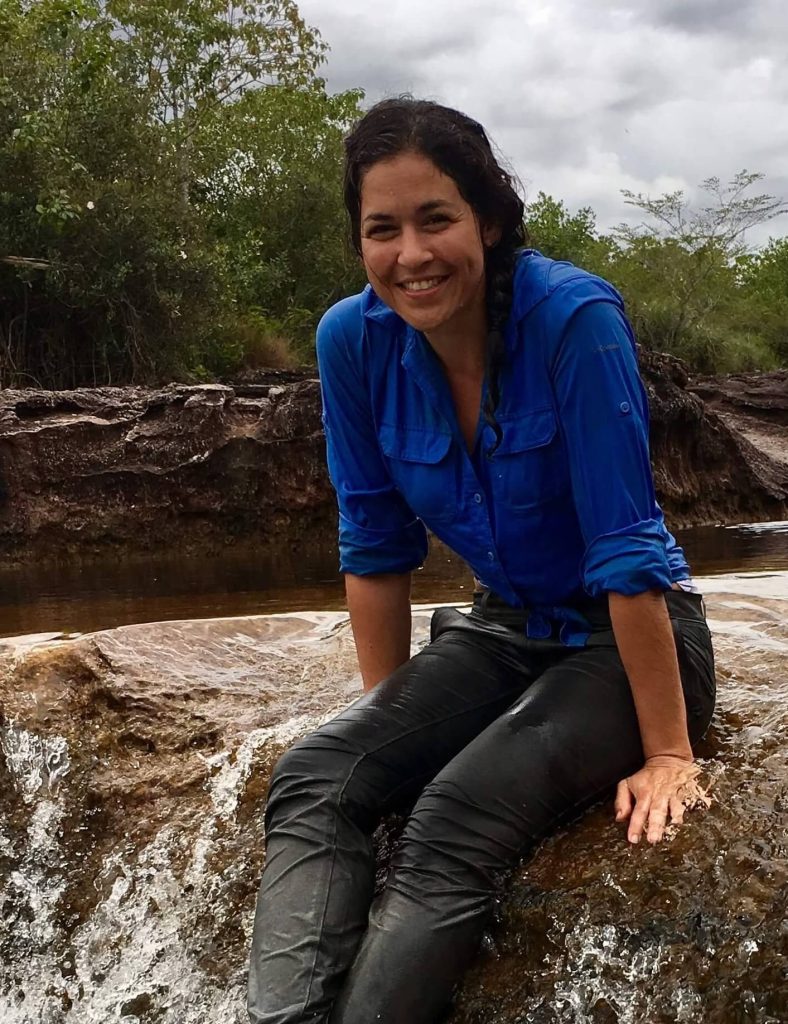
Lesley de Souza, Senior Conservation Biologist, Keller Science Action Center, Field Museum
Dr. Lesley S. de Souza is a conservation ecologist and ichthyologist at the Field Museum of Natural History, where she serves as Senior Conservation Ecologist in the Andes-Amazon Program in the Keller Science Action Center. Dr. de Souza leads research across the Amazon Basin, focusing on freshwater biodiversity, fish taxonomy, and the conservation of endangered aquatic species such as the arapaima and pink river dolphin. She is a recognized expert in Neotropical ichthyofauna and a leader in the application of environmental DNA (eDNA) for biodiversity monitoring. Her work has supported the discovery of new fish species, informed conservation policy, and emphasized the integration of Indigenous knowledge in research. Dr. de Souza is also an accomplished science communicator and educator, with outreach featured in National Geographic, The New York Times, and Mongabay, and she currently serves on the EO Wilson Biodiversity Foundation’s Half-Earth Chairs & Scholars board.
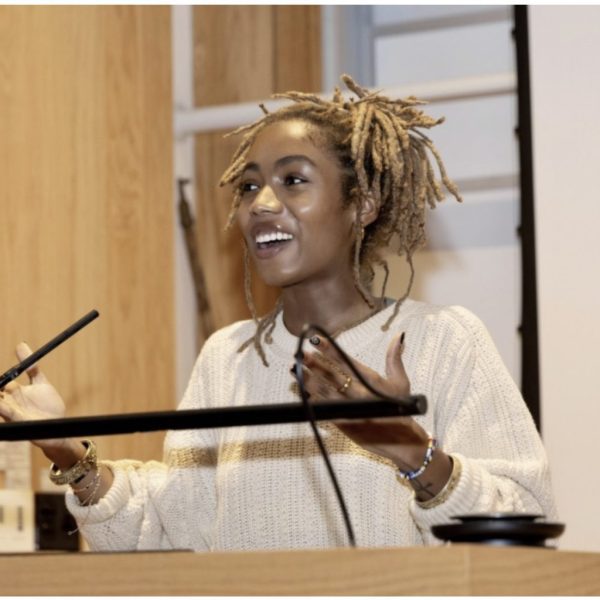
Madisyn Burke, Student
Madisyn Burke is a scholar and multidisciplinary artist at Oberlin College studying Environmental Studies and Geosciences (‘27). As a recipient of the Chicago Posse Foundation scholarship, she has continued her work in school, serving as an advocate for environmental justice, policy, and education in multiple capacities.
In the fall of 2024, Madisyn studied in London through the Danenberg Oberlin-in-London Program, where she created an interactive ArcGIS Story Map reflecting on her time studying the British-Irish Ice Sheet and its climate change implications. Since then, she has continued her work at Agnes Scott College in Decatur, Georgia, as a Teaching/Lab assistant for an experimental printmaking course, and conducting field work in New England in partnership with the University of Vermont’s Cosmogenic lab, perpetually tying together her disciplines in the arts and sciences.
When Madisyn isn’t working in the lab or the classroom, she can be found choreographing for her on-campus dance team, “AndWhat!?” as well as spending time sunbathing outdoors and appreciating the nature that surrounds her.
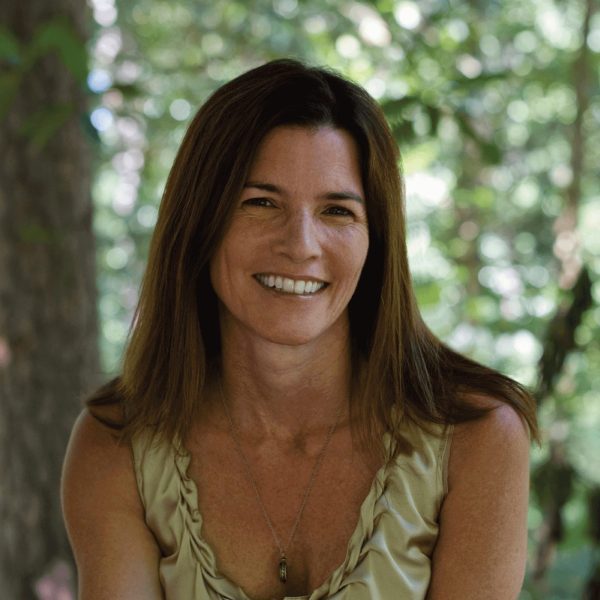
Paula J. Ehrlich, President & CEO, E.O. Wilson Biodiversity Foundation; Founder, Half-Earth Day, Co-Founder, Half-Earth Project
Paula J. Ehrlich, DVM, PhD, is President & CEO of the E.O. Wilson Biodiversity Foundation, whose purpose is to inspire informed collective action to save the biosphere. Dr. Ehrlich pioneers innovation, leads strategic activities & fosters collaborations that support worldwide protection of biodiversity. She leads a diverse team of scientists, educators & communication leaders who share a moral conviction to act to protect biodiversity as one of humanity’s transcendent goals.
Dr. Ehrlich is co-Founder of the Half-Earth Project, the leading voice for E.O. Wilson’s Half-Earth call to protect half the land and sea in order to safeguard the bulk of biodiversity. The Half-Earth Project is playing a significant role in ensuring we leave no species behind through research that provides scientific leadership in service of a resilient planet, education that fosters an intergenerational commitment to stewardship of the Earth, and engagement of a global community that perceives and celebrates the inherent value of nature.
She has led the development of the Half-Earth Project Map, raising over $20M to create a global, spatially-explicit, and taxonomically comprehensive map of species for public engagement and decision-making. Recent updates inform how well conserved places are protecting species and identify priorities for future conservation.
Dr. Ehrlich is founder of Half-Earth Day, now in its 9th year, which brings together people from around the world and across disciplines to share perspectives & thought leadership on how to achieve Half-Earth and ensure the health of our planet for future generations. Half-Earth Day has been held in DC, NYC, Berkeley, London, Montreal, Cali and virtually, attracting thousands of participants from around the globe.
Dr. Ehrlich has over 30 years of strategic scientific management and research expertise, and diverse academic, non-profit, and corporate leadership experience. As CEO of the non-profit Drug Discovery Center of Innovation, she fostered strategic innovation in early drug development for unmet medical needs. At Merck she led initiatives to establish imaging biomarkers and proof-of-concept for over 12 lead compounds, which are in clinical trials.
A keen adventurer & explorer, Paula is an avid hiker, and has summited Mt Rainier. She has been an equine surgeon at universities in 3 countries, and has worked to empower women’s cooperatives in S. Sudan. Always driven by challenge and a desire to make a difference in the world, her current work embodies the hopes of the greatest naturalist of our time, E.O. Wilson.
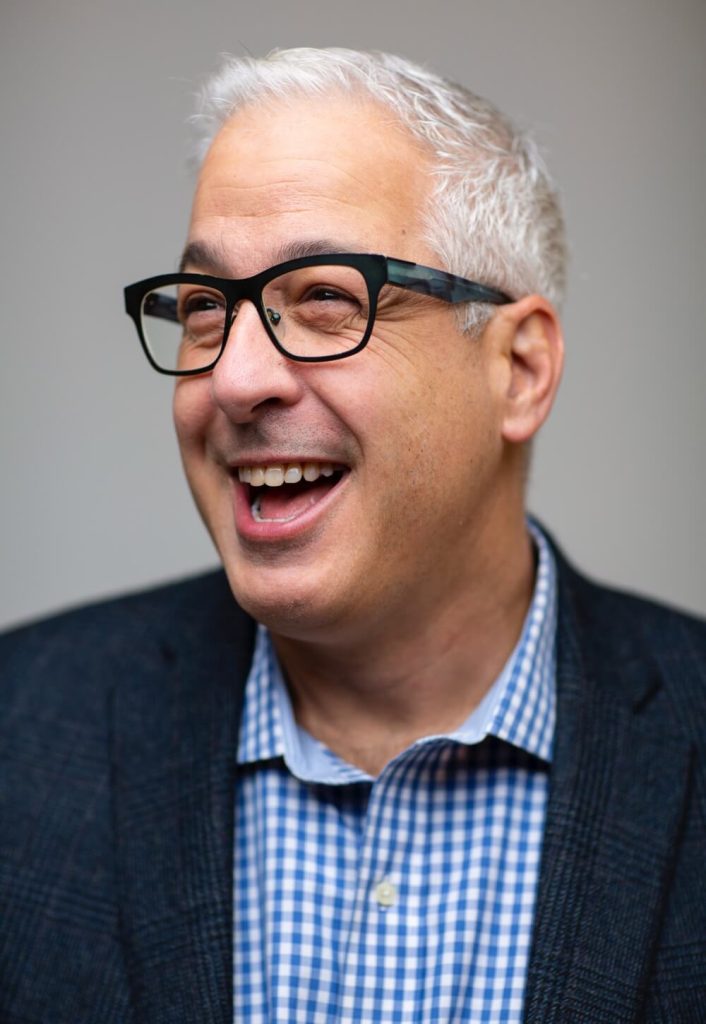
Phillip Levin, Executive Director, University of Washington EarthLab; Director, The United by Nature Initiative
As the pace of ecological crisis quickens, we are reminded that knowledge and policy, though indispensable, rarely move hearts on their own; what stirs us to act with urgency is mentorship—the passing on of not only ideas, but also values, imagination, and hope. In this spirit, Phillip will explore how wonder, surprise, and awe—what Abraham Heschel called “radical amazement”—can bridge the space between knowing and doing. Awe is not a fleeting feeling, but a widening of the lens, a shift in perspective that unsettles assumptions and expands our sense of the possible. Phillip learned this from mentors who showed him how science can serve the public good, and how curiosity and conservation are inseparable. Their lessons echo in his work today through the United by Nature Initiative, a first-of-its-kind, independent national effort that unites hundreds of scientists, community leaders, artists, and practitioners to take stock of nature in America. Building on the U.S. National Nature Assessment, UBN explores how ecosystems shape our health, safety, economy, culture, and security—and whether those benefits are shared equitably. Their aim is not only to provide rigorous science, but to inspire a movement rooted in evidence, equity, and awe. Ultimately, Phillip invites us to see policy and conservation as acts of mentorship themselves, guiding future generations toward a world where people and nature flourish together.
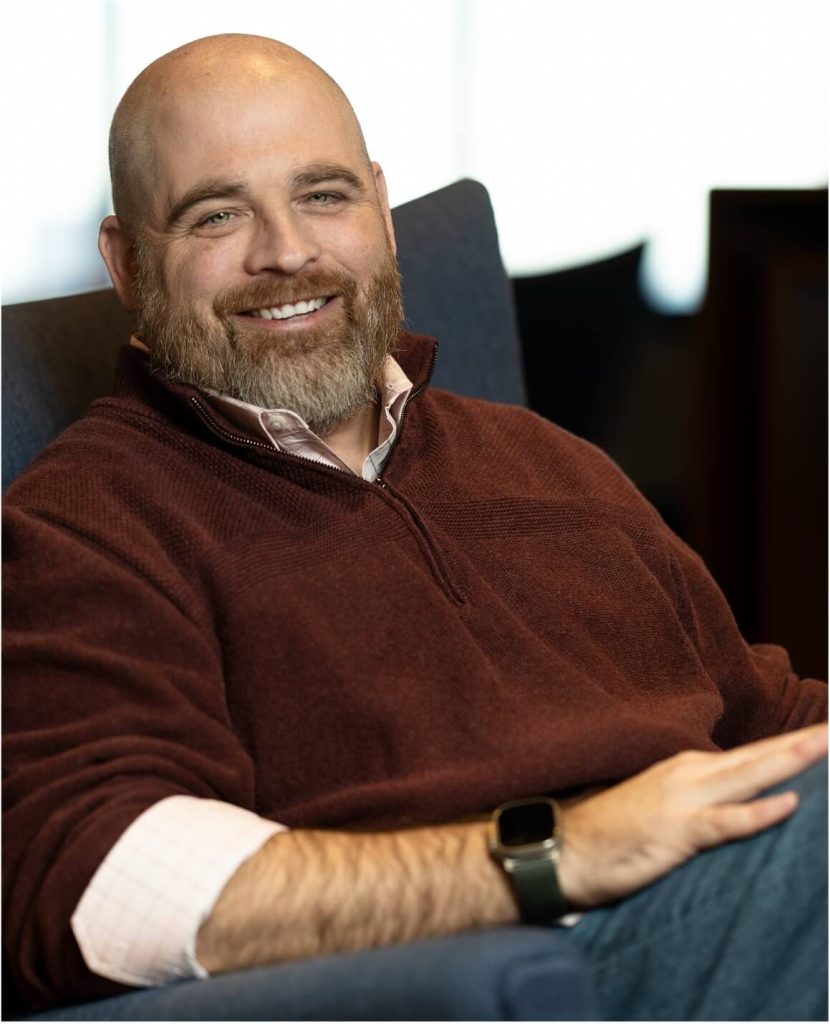
Steven Ward, Managing Director, Deloitte & Touche LLP
Dr. Ward leads Climate and Sustainability Sciences on the core Sustainability team within Deloitte’s Audit & Assurance group. He joined the Sustainability & ESG Services team in November 2021 with over 22 years of experience in the Environmental, Geospatial and Climate Industry. Steven is a Bayer Scientific Fellow whose prior work experience includes leading Geospatial Data Science at Oak Ridge National Lab as well as remote sensing, atmospheric and weather science at the Climate Corporation. Working across private industry and Academia, Steven has published peer reviewed journal articles and book chapters on climate related physical risks and social vulnerability. In addition to his current role with Deloitte, he continues to lecture at universities, serve on technical advisory boards at NASA and peer review academic journals. Dr. Ward also supports the Deloitte Foundation providing executive education sessions on Climate Risk to Doctoral Students, Accounting Faculty and emerging Financial leaders at Deloitte University.
Steven supports the Sustainability team and clients with assessment, analysis and communications related to scientific methods, data analysis and applied research. Throughout his career he has led dozens of sustainability and environmental research projects/programs for private industry and government customers across the globe. His expertise in this space is technology focused with an emphasis on geospatial technology, GISciences, remote sensing, scaled computation and AI/ML methods.
Steven received his Ph.D., Masters and Bachelor’s degrees in Environmental Management, Chemistry, Agronomy and Hazards Geography from Louisiana State University.
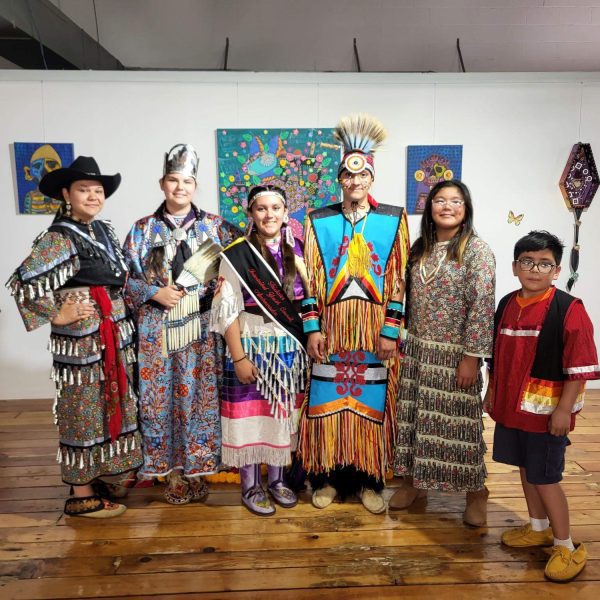
Trickster Cultural Center Intertribal Youth Council, Trickster Cultural Center
The Trickster Cultural Center Intertribal Youth Council is open to all youth ages 10 and up who are interested in exploring and celebrating their cultural identity. Our Council engages in programming aimed at learning about advocacy, developing and implementing policies and services in outreach engagements, coalitions, and government. This programming provides opportunities for youth to come together to celebrate their culture, learn from one another, and engage in meaningful activities to help them learn life skills and how to build a healthier community.
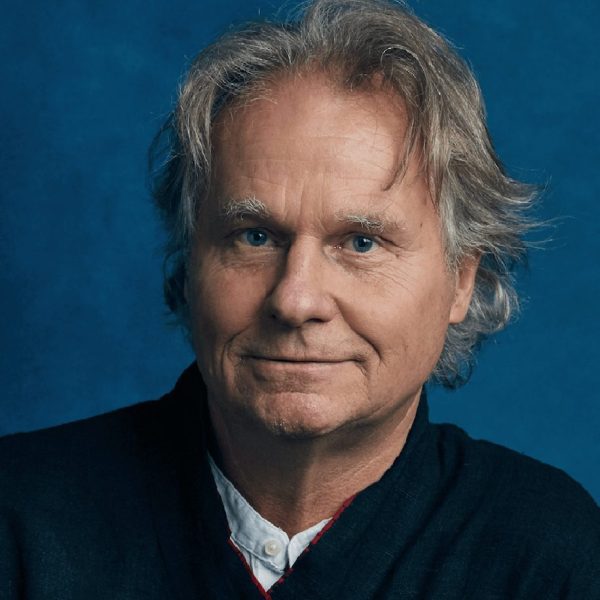
Wade Davis, Professor Emeritus, Anthropology, University of British Columbia
Wade Davis is Professor Emeritus of Anthropology at the University of British Columbia. Between 2000 and 2013 he served as Explorer-in-Residence at the National Geographic Society. Named by the NGS as one of the Explorers for the Millennium, he has been described as “a rare combination of scientist, scholar, poet and passionate defender of all of life’s diversity.”
An ethnographer, writer, photographer and filmmaker, Davis holds degrees in anthropology and biology and received his Ph.D. in ethnobotany, all from Harvard University. Mostly through the Harvard Botanical Museum, he spent over three years in the Amazon and Andes as a plant explorer, living among 15 indigenous groups while making some 6000 botanical collections. His work later took him to Haiti to investigate folk preparations implicated in the creation of zombies, an assignment that led to his writing The Serpent and the Rainbow (1986), an international best seller later released by Universal as a motion picture. In recent years his work has taken him to East Africa, Borneo, Nepal, Peru, Polynesia, Tibet, Mali, Benin, Togo, New Guinea, Australia, Colombia, Vanuatu, Mongolia and the high Arctic of Nunavut and Greenland.
Davis is the author of 400 scientific and popular articles and 24 books, published in 24 languages, including the international bestsellers The Serpent and the Rainbow (1985), One River (1996), The Wayfinders (2009), and Into the Silence (2011), which won the Samuel Johnson Prize, the top award for nonfiction in the English language. Recent books include Magdalena: River of Dreams (2020) and Beneath the Surface of Things: New and Selected Essays (2024).
Davis’s photographs have been widely exhibited and have appeared in 38 books and 130 magazines, including National Geographic, Time, Geo, People, Men’s Journal, and Outside. He was curator of The Lost Amazon: The Photographic Journey of Richard Evans Schultes, first exhibited at the National Museum of Natural History, Smithsonian Institution. In 2012 he served as guest curator of No Strangers: Ancient Wisdom in the Modern World, at the Annenberg Space for Photography in Los Angeles. He was curator of Everest: Ascent to Glory, Bowers Museum, February 12 – August 28, 2022. National Geographic has published two collections of his photographs, Light at the Edge of the World (2001) and Wade Davis: Photographs (2018).
His 40 film credits include Light at the Edge of the World, an 8-hour documentary series written and produced for the National Geographic. His most recent film, El Sendero de la Anaconda, a 90-minute feature documentary shot in the Northwest Amazon, is available on Netflix.
A professional speaker for 35 years, Davis has lectured at over 200 universities and 250 corporations and professional associations. In 2009 he delivered the CBC Massey Lectures. He has spoken from the TED main stage five times, and his three posted talks have been viewed by 8 million.
Davis, one of 20 Honorary Members of the Explorers Club, is Honorary Vice-President of the Royal Canadian Geographical Society, and recipient of 12 honorary degrees, as well as the 2009 Gold Medal from the Royal Canadian Geographical Society, the 2011 Explorers Medal, the 2012 David Fairchild Medal for botanical exploration, the 2012 Queen Elizabeth Diamond Jubilee Medal, the 2015 Centennial Medal of Harvard University, the 2017 Roy Chapman Andrews Society’s Distinguished Explorer Award, the 2017 Sir Christopher Ondaatje Medal for Exploration, the 2018 Mungo Park Medal from the Royal Scottish Geographical Society, and the 2024 King Charles III Coronation Medal. In 2016, he was made a Member of the Order of Canada. In 2018 he became an Honorary Citizen of Colombia.
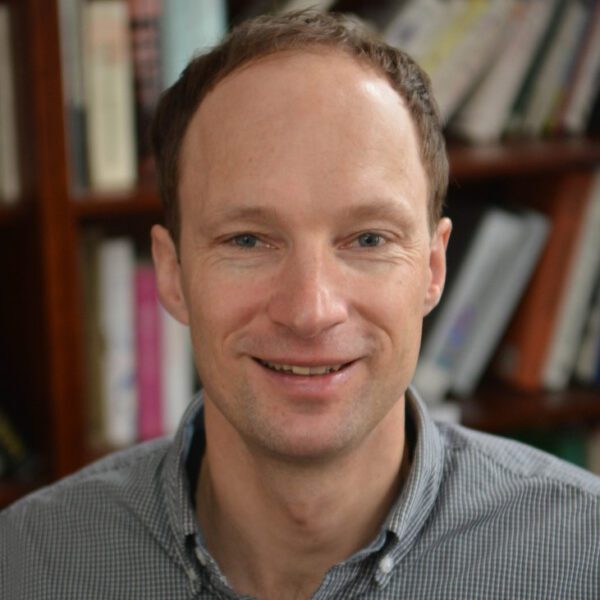
Walter Jetz, Jack and Laura Dangermond Scientific Chair, E.O. Wilson Biodiversity Foundation
Walter Jetz, MSc, PhD is a Professor of Ecology and Evolutionary Biology and Adjunct Professor in the School of Forestry and the Environment at Yale University. Dr. Jetz is Director of the Yale Center for Biodiversity and Global Change, which links scientists, students and practitioners engaged in the environment, biological, informatics, policy or health aspects and implications of global biodiversity change. Dr. Jetz leads the Map of Life at Yale University, which utilizes geospatial species distribution data and analytics to guide where we have the best opportunity to conserve the most species.
Dr. Jetz’ work addresses patterns and mechanisms of changing biodiversity distribution and the resulting implications on conservation and environmental management. His research combines remote sensing, phylogenetic, functional, and spatiotemporal biodiversity data with new modeling approaches and informatics tools. Dr. Jetz is particularly interested in how environmental, ecological, and macroevolutionary mechanisms combine to determine the co-occurrence of species and the structure of species assemblages.
In addition to his work at Yale, Dr. Jetz chairs the Intergovernmental Science-Policy Platform on Biodiversity and Ecosystem Services (IPBES) Task Group on Biodiversity Indicators and is Co-Lead of the GEO BON Working Group on Species Distributions. Dr. Jetz was previously a professor of biological sciences at the University of California San Diego. Dr. Jetz earned his MSc in Integrative Bioscience and PhD in Zoology from the University of Oxford.
Performers
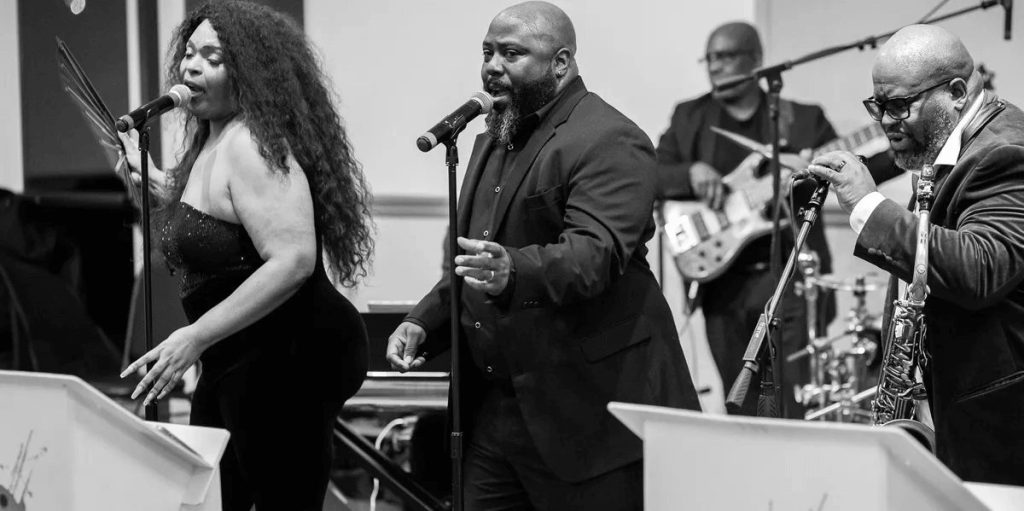
Magnificent Mile Orchestra