
Half-Earth Day 2024
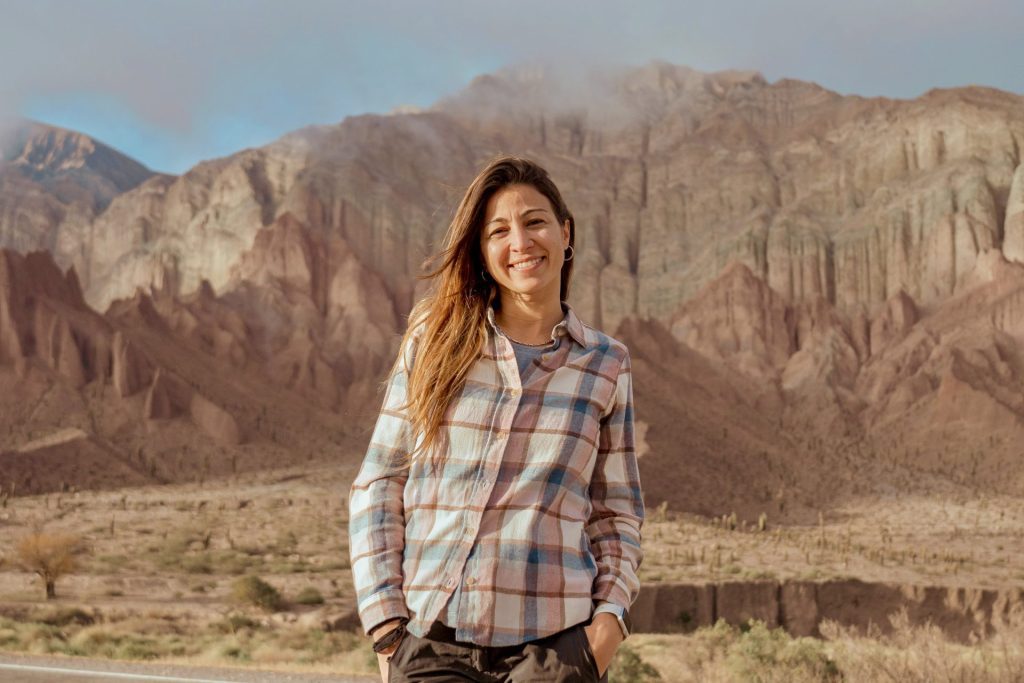
Lucila Castro, Directora Ejecutiva, Natura Argentina
Lucila Castro graduated with a degree in biology from the National University of Córdoba. She is the Argentina Director of Natura Argentina, a NGO committed to the conservation of natural ecosystems through the creation of protected areas by promoting the participation of local actors and working closely with governments, universities, and other organizations. She has a lifelong interest in conservation, population ecology, and protected areas, and her work addresses the articulation of scientific and technical work, institutional and government sector interactions, and local community outreach, all aimed at the accomplishment of clear conservation goals. Lucila is a member of the GCFA (High Andean Flamingo Conservation Group) and coordinates the flamingo census at the Mar Chiquita Lake in Córdoba Province. She is also a member of the Flamingo Specialist Group of the IUCN.
As Executive Director, Lucila leads the organization’s strategic conservation planning alongside her team. She works to spearhead the fundraising efforts, and on the advocacy front, she navigates the political landscape to promote public policies that benefit conservation efforts. Lucila’s responsibilities also encompass selecting strategic partnerships that amplify the impact of the NGO. She also remains connected to her scientific background by leading conservation projects. Leveraging her strong communication skills, Lula actively engages with the media, raising awareness about the critical conservation work and garnering public support for Natura Argentina’s mission.
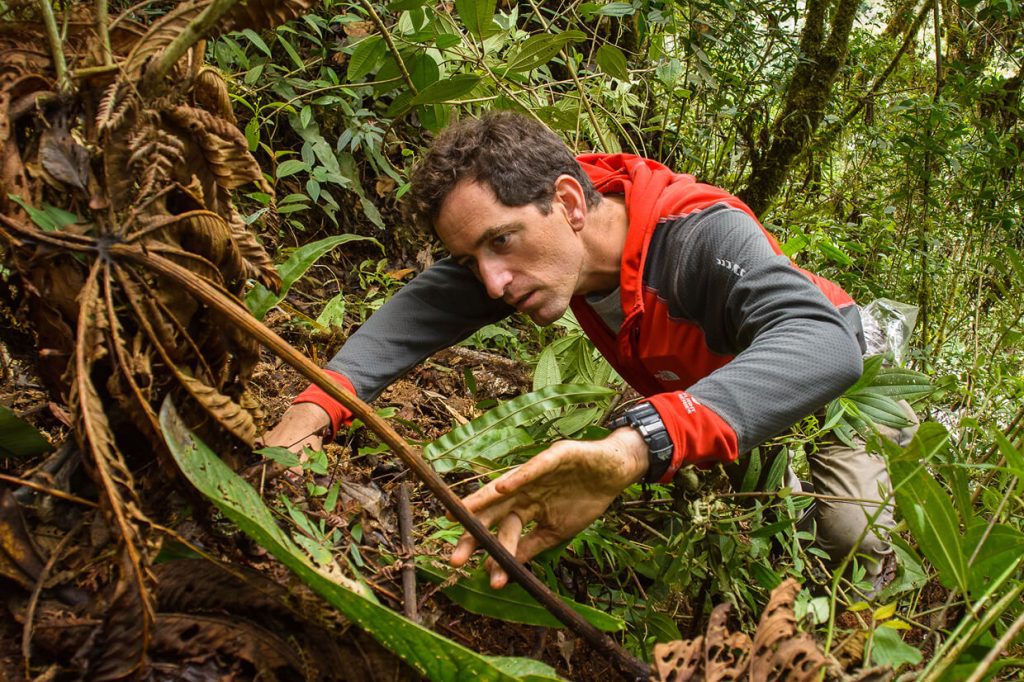
Alessandro Catenazzi, Half-Earth Chair, E.O. Wilson Biodiversity Foundation; Associate Professor, Florida International University
Dr. Alessandro Catenazzi is the newest Half-Earth Chair of the E.O. Wilson Biodiversity Foundation’s principal program, the Half-Earth Project. Alessandro is a Swiss-Peruvian herpetologist with a strong interest in conservation biology. His impressive work spans several disciplines, including taxonomy, community ecology, disease ecology, and physiology, with the primary goal of preserving biological diversity. He leads urgent work on the pathogenic fungus Batrachochytrium dendrobatidis, quantifying its impact on amphibian biodiversity and tracing the pathogen’s spread in the Amazon’s cloud forests and slopes of the Andes. Alessandro’s research on the vulnerability of reptiles and amphibians to climate warming is multi-faceted, employing experimental, observational, and modeling approaches. In addition to these lines of research, Alessandro is making tremendous advances in our biodiversity knowledge by describing several new amphibian and reptile species and genera to science. His commitment to the conservation of reptiles and amphibians is reflected in his work for the IUCN Red List Authority since 2009. The RLA provides up-to-date information on the extinction risk of every amphibian known to science (~7400). He is actively involved in stewarding the next generation of Latin American scientists as an associate professor at Florida International University, where he mentors undergraduate and graduate students and teaches courses in conservation biology. Alessandro also leads field courses at the Amazon Center for Environmental Education and Research in Peru to train Peruvians, international students, and primary/secondary teachers in tropical biology.
Matt Clark, President and Executive Director, Nature & Culture International
Matt started with Nature and Culture International in 2015, as an advisor in the Loja, Ecuador office, before being promoted to Executive Director in 2018 and moving back to the United States. Native to Portland, Oregon, Matt worked for years on watershed restoration and salmon recovery. Additionally, he’s worked extensively for Native American tribal governments in the US, supporting their treaty fishing and water rights. Matt first fell in love with Latin America —its vibrant cultures, stunning landscapes and incredible biodiversity —while in Honduras in the 1990s as a Peace Corps volunteer. He has a BA from Stanford University and a Master’s in Environmental Management from Yale University. Matt, his wife, Abby and their two boys enjoy music, rafting, camping, and travel.
Wade Davis, Professor Emeritus, Anthropology, University of British Columbia
Wade Davis is Professor Emeritus of Anthropology at the University of British Columbia. Between 2000 and 2013 he served as Explorer-in-Residence at the National Geographic Society. Named by the NGS as one of the Explorers for the Millennium, he has been described as “a rare combination of scientist, scholar, poet and passionate defender of all of life’s diversity.”
An ethnographer, writer, photographer and filmmaker, Davis holds degrees in anthropology and biology and received his Ph.D. in ethnobotany, all from Harvard University. Mostly through the Harvard Botanical Museum, he spent over three years in the Amazon and Andes as a plant explorer, living among 15 indigenous groups while making some 6000 botanical collections. His work later took him to Haiti to investigate folk preparations implicated in the creation of zombies, an assignment that led to his writing The Serpent and the Rainbow (1986), an international best seller later released by Universal as a motion picture. In recent years his work has taken him to East Africa, Borneo, Nepal, Peru, Polynesia, Tibet, Mali, Benin, Togo, New Guinea, Australia, Colombia, Vanuatu, Mongolia and the high Arctic of Nunavut and Greenland.
Davis is the author of 385 scientific and popular articles and 24 books, published in 23 languages, including the international bestsellers The Serpent and the Rainbow (1985), One River (1996), The Wayfinders (2009), and Into the Silence (2011), which won the Samuel Johnson Prize, the top award for nonfiction in the English language. Recent books include Magdalena:River of Dreams (2020) and Beneath the Surface of Things: New and Selected Essays (2024).
Davis’s photographs have been widely exhibited and have appeared in 38 books and 130 magazines, including National Geographic, Time, Geo, People, Men’s Journal, and Outside. He was curator of The Lost Amazon: The Photographic Journey of Richard Evans Schultes, first exhibited at the National Museum of Natural History, Smithsonian Institution. In 2012 he served as guest curator of No Strangers: Ancient Wisdom in the Modern World, at the Annenberg Space for Photography in Los Angeles. He was curator of Everest: Ascent to Glory, Bowers Museum, February12-August 28, 2022. National Geographic has published two collections of his photographs, Light at the Edge of the World (2001) and Wade Davis: Photographs (2018).
His 40 film credits include Light at the Edge of the World, an 8-hour documentary series written and produced for the National Geographic. His most recent film, El Sendero de la Anaconda, a 90-minute feature documentary shot in the Northwest Amazon, is available on Netflix.
A professional speaker for 35 years, Davis has lectured at over 200 universities and 250 corporations and professional associations. In 2009 he delivered the CBC Massey Lectures. He has spoken from the TED main stage five times, and his three posted talks have been viewed by 8 million.
Davis, one of 20 Honorary Members of the Explorers Club, is Honorary Vice-President of the Royal Canadian Geographical Society, and recipient of 12 honorary degrees, as well as the 2009 Gold Medal from the Royal Canadian Geographical Society, the 2011 Explorers Medal, the 2012 David Fairchild Medal for botanical exploration, the 2015 Centennial Medal of Harvard University, the 2017 Roy Chapman Andrews Society’s Distinguished Explorer Award, the 2017 Sir Christopher Ondaatje Medal for Exploration, and the 2018 Mungo Park Medal from the Royal Scottish Geographical Society. In 2016, he was made a Member of the Order of Canada. In 2018 he became an Honorary Citizen of Colombia.
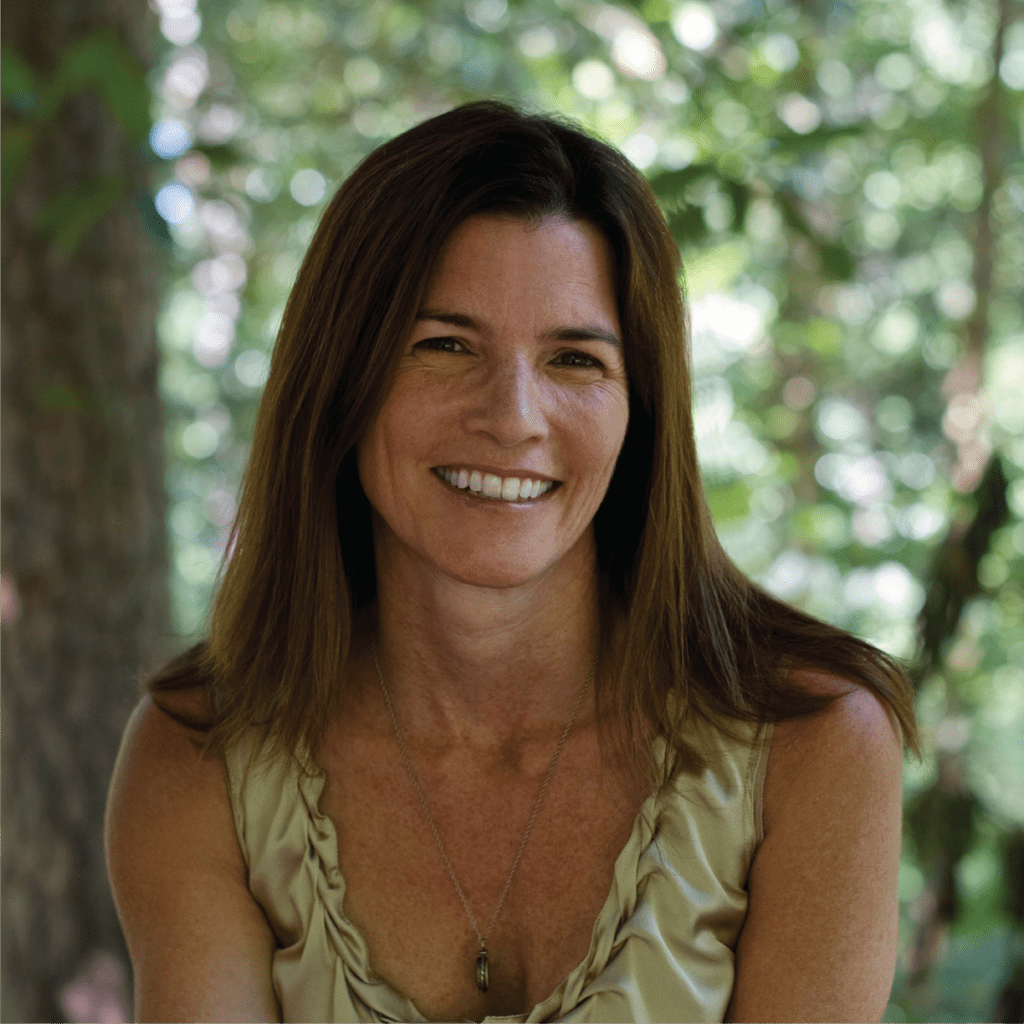
Paula J. Ehrlich, President & CEO, E.O. Wilson Biodiversity Foundation; Co-Founder, Half-Earth Project
Paula J. Ehrlich, DVM, PhD, is President & CEO of the E.O. Wilson Biodiversity Foundation, whose purpose is to inspire informed collective action to save the biosphere. Dr. Ehrlich pioneers innovation, leads strategic activities & fosters collaborations that support worldwide protection of biodiversity. She leads a diverse team of scientists, educators & communication leaders who share a moral conviction to act to protect biodiversity as one of humanity’s transcendent goals.
Dr. Ehrlich is co-Founder of the Half-Earth Project, the leading voice for E.O. Wilson’s Half-Earth call to protect half the land and sea in order to safeguard the bulk of biodiversity. The Half-Earth Project is playing a significant role in ensuring we leave no species behind through research that provides scientific leadership in service of a resilient planet, education that fosters an intergenerational commitment to stewardship of the Earth, and engagement of a global community that perceives and celebrates the inherent value of nature.
She has led the development of the Half-Earth Project Map, raising over $20M to create a global, spatially-explicit, and taxonomically comprehensive map of species for public engagement and decision-making. Recent updates inform how well conserved places are protecting species and identify priorities for future conservation.
Dr. Ehrlich is founder of Half-Earth Day, now in its 8th year, which brings together people from around the world and across disciplines to share perspectives & thought leadership on how to achieve Half-Earth and ensure the health of our planet for future generations. Half-Earth Day has been held in DC, NYC, Berkeley, London, Montreal, and virtually, attracting thousands of participants from around the globe.
Dr. Ehrlich has over 30 years of strategic scientific management and research expertise, and diverse academic, non-profit, and corporate leadership experience. As CEO of the non-profit Drug Discovery Center of Innovation, she fostered strategic innovation in early drug development for unmet medical needs. At Merck she led initiatives to establish imaging biomarkers and proof-of-concept for over 12 lead compounds, which are in clinical trials.
A keen adventurer & explorer, Paula is an avid hiker, and has summited Mt Rainier. She has been an equine surgeon at universities in 3 countries, and has worked to empower women’s cooperatives in S. Sudan. Always driven by challenge and a desire to make a difference in the world, her current work embodies the hopes of the greatest naturalist of our time, E.O. Wilson.
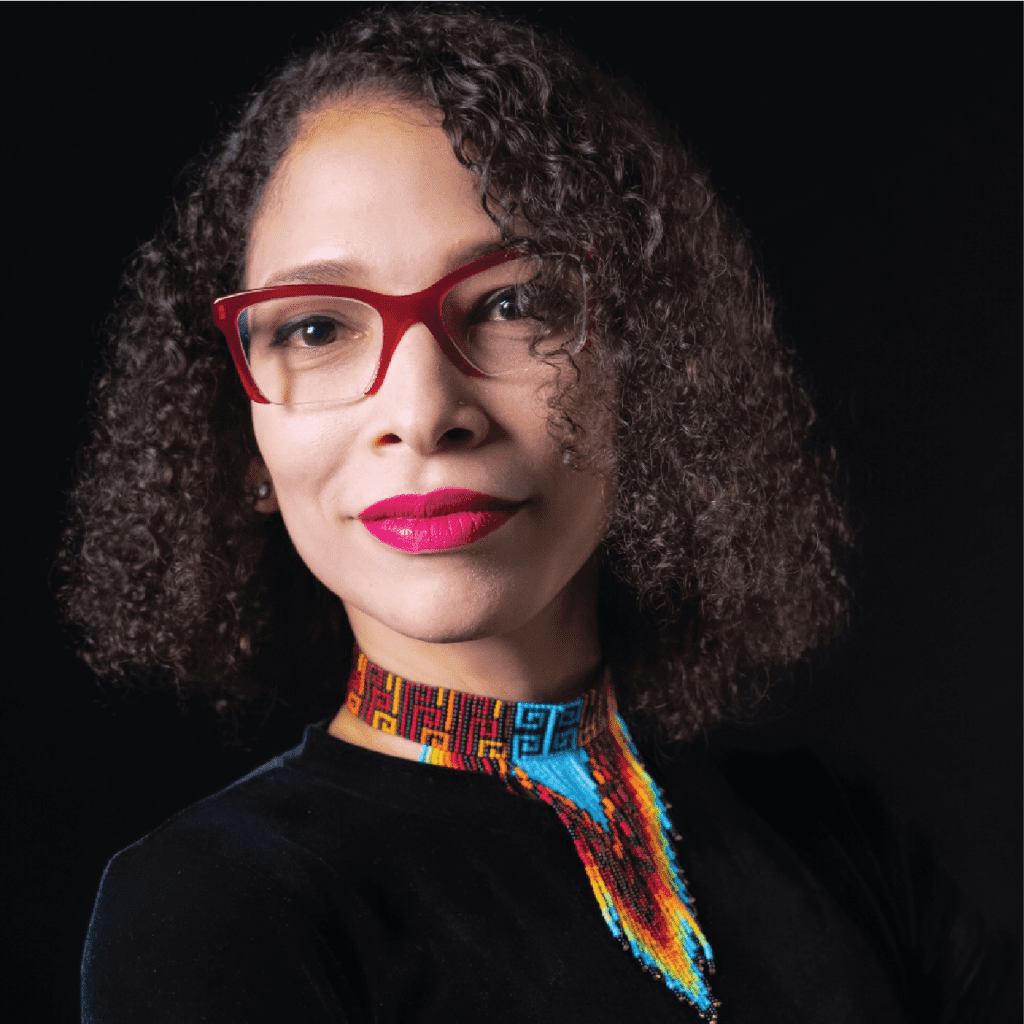
Carmen Guerra, Policy Manager, Nia Tero
Carmen, a Kankuama from the Sierra Nevada de Gonawindúa in northern Colombia, is a mother, human rights defender, and Policy Manager at NIA TERO. She has a law degree specializing in Constitutional Law and Project Management for Development and is currently pursuing a Master’s in Human Rights and Protection Systems. Carmen has dedicated her career to defending the rights to life and integrity of Indigenous Peoples. She took part in the consultative process between Indigenous Peoples and the Integral System of Truth, Justice, Reparation, and Non-Repetition. Additionally, she has been involved in advocacy processes and the development of policies to protect Indigenous Peoples’ rights at national and international levels. Moreover, Carmen has played a key role in promoting capacity-building processes for the organizations and Indigenous peoples she has worked with.
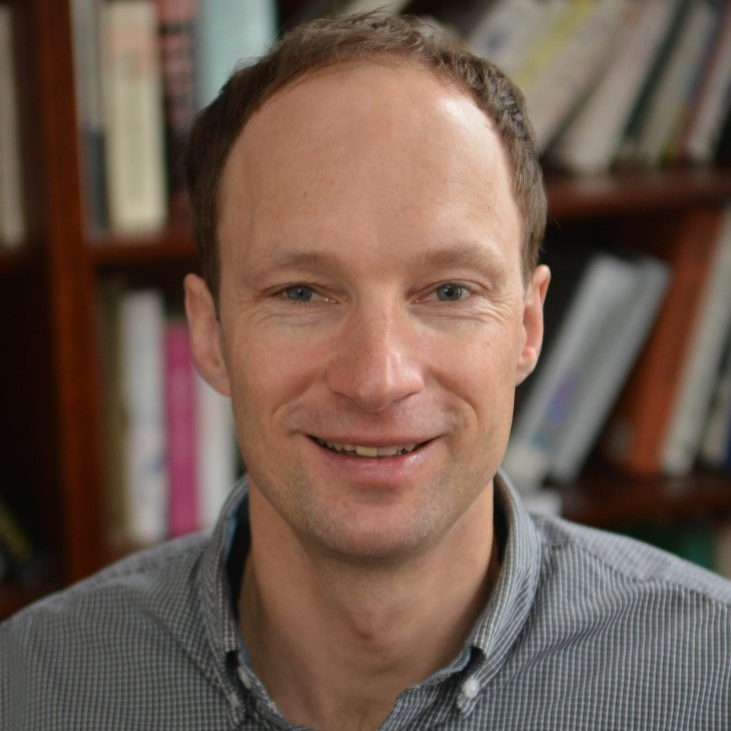
Walter Jetz, Jack and Laura Dangermond Scientific Chair, E.O. Wilson Biodiversity Foundation
Walter Jetz, MSc, PhD is a Professor of Ecology and Evolutionary Biology and Adjunct Professor in the School of Forestry and the Environment at Yale University. Dr. Jetz is Director of the Yale Center for Biodiversity and Global Change, which links scientists, students and practitioners engaged in the environment, biological, informatics, policy or health aspects and implications of global biodiversity change. Dr. Jetz leads the Map of Life at Yale University, which utilizes geospatial species distribution data and analytics to guide where we have the best opportunity to conserve the most species.
Dr. Jetz’ work addresses patterns and mechanisms of changing biodiversity distribution and the resulting implications on conservation and environmental management. His research combines remote sensing, phylogenetic, functional, and spatiotemporal biodiversity data with new modeling approaches and informatics tools. Dr. Jetz is particularly interested in how environmental, ecological, and macroevolutionary mechanisms combine to determine the co-occurrence of species and the structure of species assemblages.
In addition to his work at Yale, Dr. Jetz chairs the Intergovernmental Science-Policy Platform on Biodiversity and Ecosystem Services (IPBES) Task Group on Biodiversity Indicators and is Co-Lead of the GEO BON Working Group on Species Distributions. Dr. Jetz was previously a professor of biological sciences at the University of California San Diego. Dr. Jetz earned his MSc in Integrative Bioscience and PhD in Zoology from the University of Oxford.
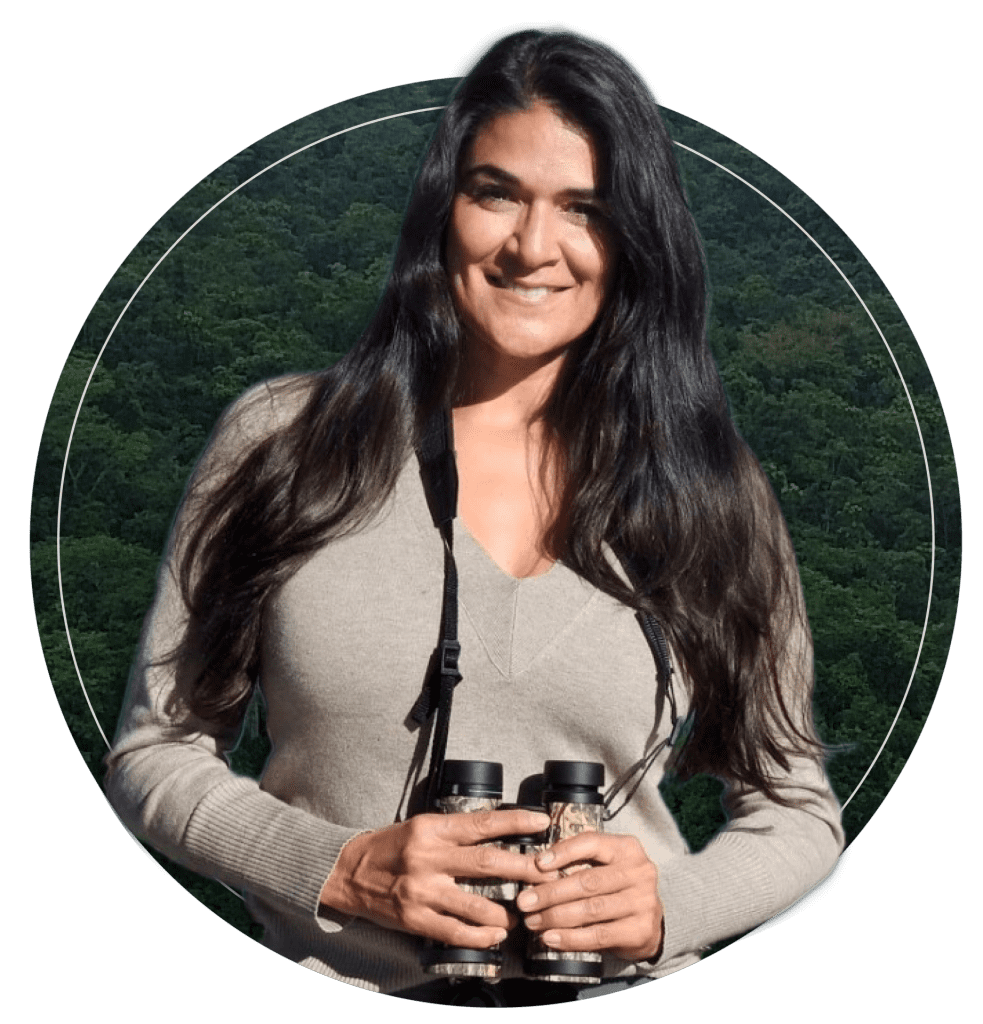
Sara Inés Lara, President, Women for Conservation; Executive Director, Fundación ProAves
Sara Ines Lara, a dedicated conservationist and advocate for women’s empowerment, was born in 1973 with indigenous heritage in the Andean mountains of Cauca, Colombia. Trained initially in Civil Engineering, Sara worked on major infrastructure projects, including the UK Channel Tunnel Rail Link. However, a deep calling for positive change and gender equality led her to transition into conservation.
With over two decades of experience spanning Latin America, Sara collaborates closely with international organizations, communities, and governments. In 2003, she became the founding Executive Director of Fundación ProAves, overseeing the establishment of 27 nature reserves dedicated to saving endangered species and their habitats. In 2004, Sara established Women for Conservation, intertwining her love for nature and her commitment to empowering women.
Inspired by the indigenous concept of Pachamama (Mother Earth), Sara’s approach is rooted in building trust and nurturing relationships between people and the Earth. Her work is a multigenerational legacy, carried on with her daughter by her side. With empathy and love, Sara embodies a maternal dedication to protecting threatened species and nurturing communities often overlooked and exploited. As President of Women for Conservation and Executive Director of Fundación ProAves, she continues to inspire positive change on both personal and global scales.
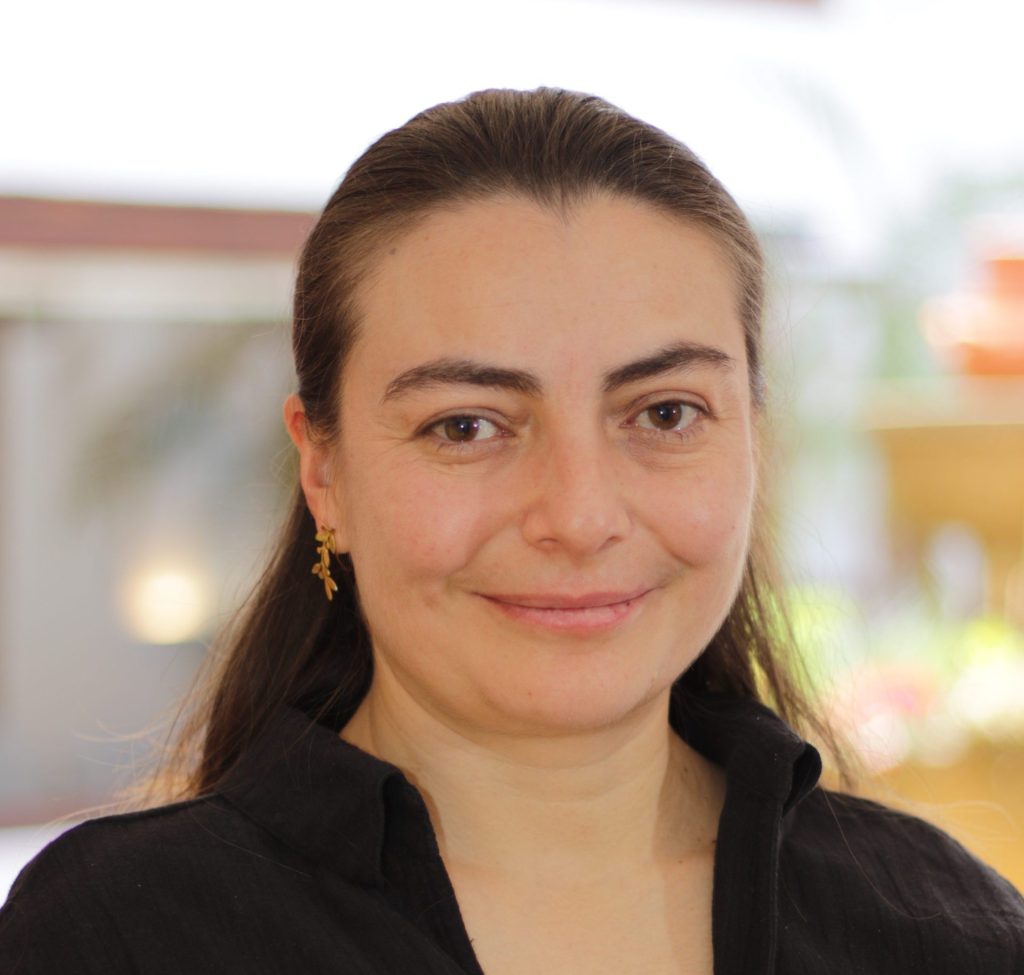
María Cecilia Londoño Murcia, Senior Information Manager, Humboldt Institute
María Cecilia Londoño is a biologist from the Universidad de los Andes in Colombia, with a Master and PhD from the Universidad Nacional Autónoma de México. Currently, Maria Cecilia is the Scientific Information Manager of the Humboldt Institute, co-chair of theGlobal Biodiversity Observations Network GEOBON and coordinator of the Colombian Biodiversity Information System, SiB Colombia, national node of the GBIF (Global Biodiversity Information Facility) network; she has 12 years of experience in biodiversity information management. Her work focuses on leading the development and maintenance of IT infrastructure, policies and governance processes that allow the publication and production of biodiversity data and indicators. As well as the development of analysis and web platforms for the dissemination of data and indicators on this topic. Maria Cecilia coordinates and conducts research under the principles of trust and active participation, building knowledge to solve problems related to biodiversity and sustainable development.
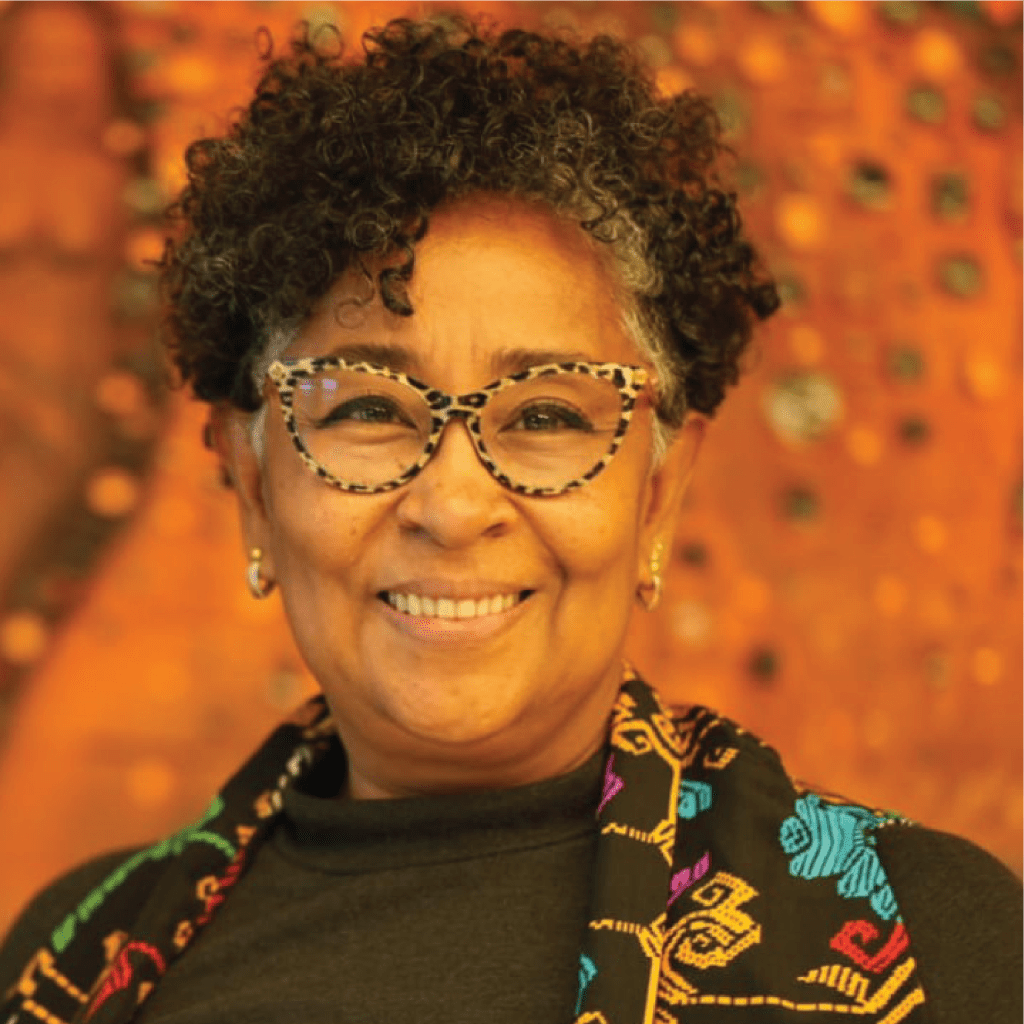
Martha Cecilia Rosero Peña, Social Inclusion Director (Afro Descendants Fellow), Conservation International
Martha Rosero-Peña is an Afro-Colombian scholar and the Director of Social Inclusion in Conservation at Conservation International, where she leads the “Afro-descendants in Conservation: Irreplaceable Places and Resilient People” initiative across the Americas. With a Ph.D. in Environmental Sociology from the University of Florida and an M.Sc. from Wageningen University, Martha has over three decades of experience in socio-environmental research, focusing on key conservation regions in the Amazon and Colombian Pacific. She has led participatory research on socio-economic and cultural resilience, specifically with Indigenous Peoples and Afro-descendants, and has held roles coordinating regional programs and projects for international NGOs and the University of Florida. Martha has actively contributed to international platforms such as the Intergovernmental Science-Policy Platform on Biodiversity and Ecosystem Services (IPBES) and is a sci
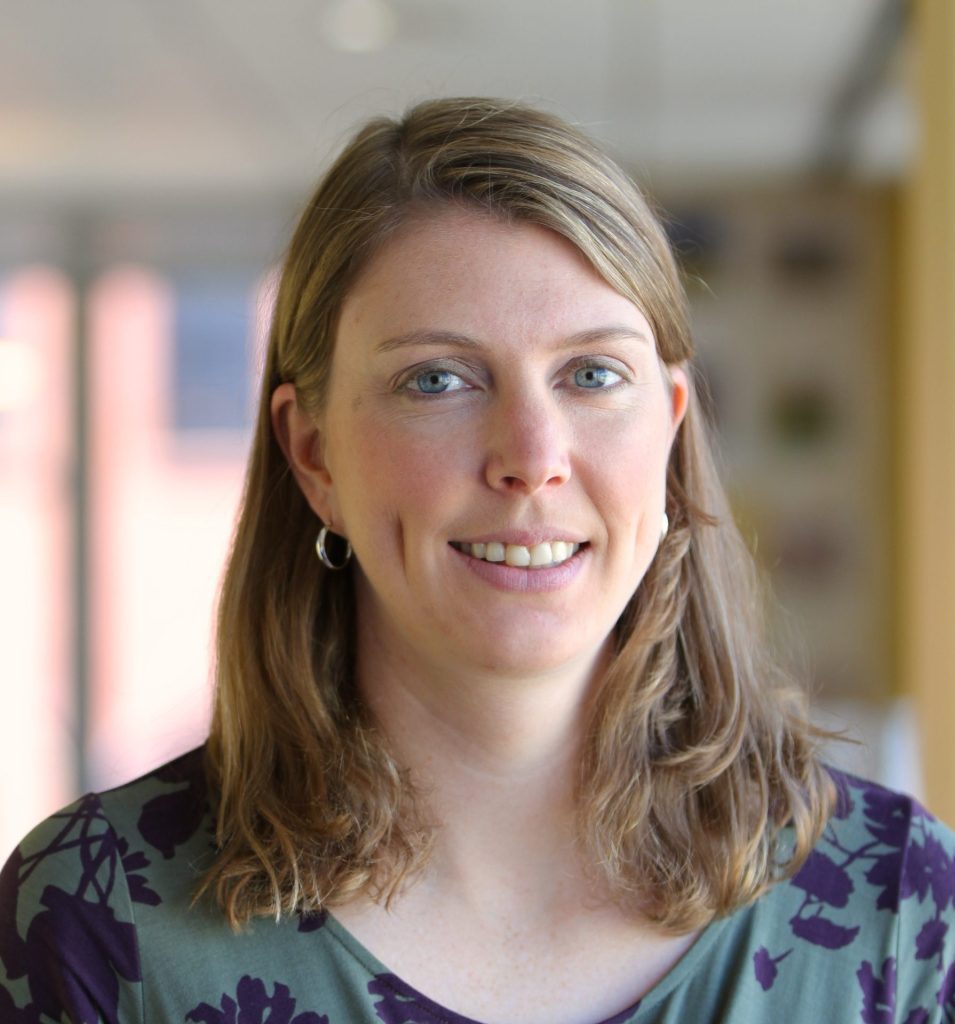
Katie Reytar, Senior Research Associate, World Resources Institute
Katie Reytar is a Senior Research Associate at World Resources Institute with the Land & Carbon Lab Initiative. She is the technical lead and data manager for LandMark: The Global Platform of Indigenous and Community Lands (www.landmarkmap.org). She has more than 20 years of experience in the environmental management sector, specializing in geospatial analysis and data applications to inform research literature and policy decisions. Her co-authored publications include Undermining Rights: Indigenous Lands and Mining in the Amazon; Climate Benefits, Tenure Costs; Securing Rights, Combating Climate Change; and A Global Baseline of Carbon Storage in Collective Lands. She holds degrees in Environmental Engineering from Johns Hopkins University and Environmental Science and Management from the University of California, Santa Barbara.
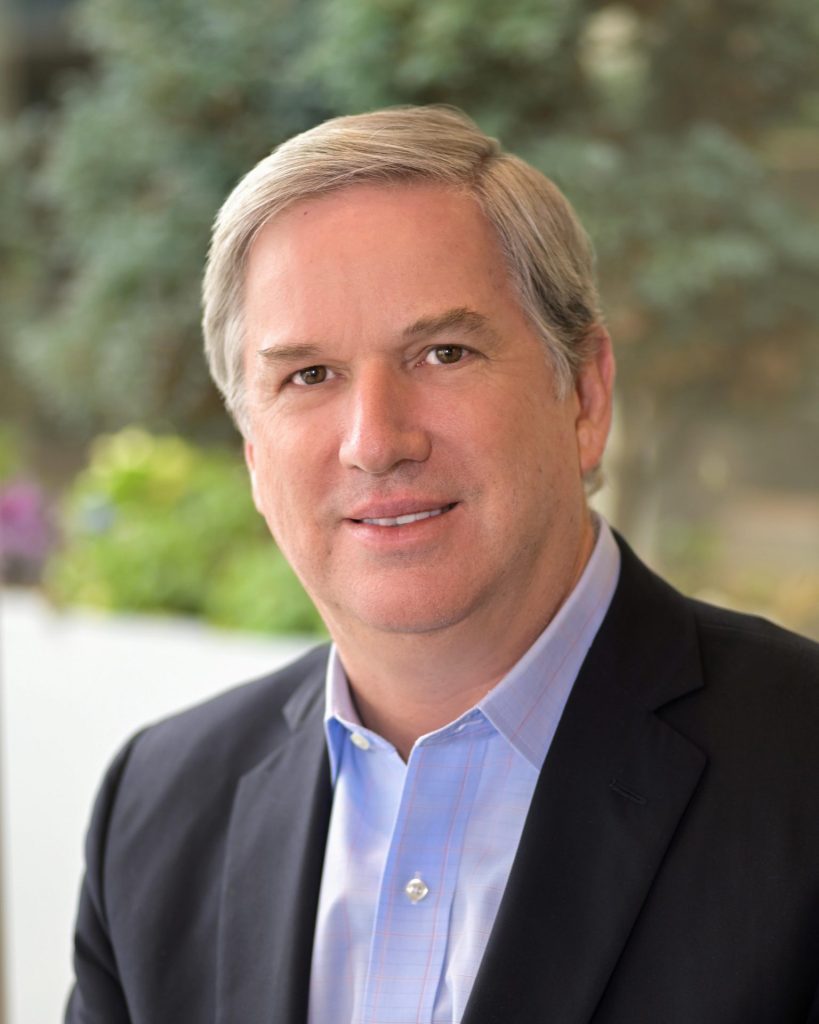
Cristián Samper, Managing Director and Leader for Nature Solutions, Bezos Earth Fund
Cristián Samper is the Managing Director and Leader for Nature Solutions at the Bezos Earth Fund, overseeing our work related to the protection and restoration of nature, as well as the transformation of food systems.
Prior to joining us, he served as President & Chief Executive Officer of the Wildlife Conservation Society (WCS) for a decade from 2012 to 2022, overseeing the largest network of urban wildlife parks, hosting four million visitors each year, and carried long-term field research and conservation programs in more than 60 countries.
Prior to joining WCS, Dr. Samper served as Director of the Smithsonian’s National Museum of Natural History from 2003 to 2012 and was the founding director of Colombia’s Alexander von Humboldt Biodiversity Institute in 1995. He served as Chair of the science advisory body of the UN Convention on Biological Diversity and was one of the leaders of the Millennium Ecosystem Assessment. He is a member of the Council on Foreign Relations and a Fellow of the American Academy of Arts and Sciences.
Raised in Colombia, Dr. Samper studied biology at the Universidad de Los Andes and earned his MA and PhD from Harvard University.

Alison Taylor, Chief Sustainability Officer, ADM; Climate Leader in Residence, Duke University; Board of Directors, E.O. Wilson Biodiversity Foundation
Alison Taylor is Chief Sustainability Officer for ADM. She oversees the company’s global sustainability strategy and works closely with the Sustainability and Corporate Responsibility Committee of ADM’s Board of Directors. She oversees many facets of the company’s progress toward achievement of the UN Sustainable Development Goals, including Zero Hunger and Climate Action. She guides implementation of the company’s Respect for Human Rights policy, No-Deforestation policy, Strive 35 environmental stewardship program, and ADM’s philanthropic efforts through ADM Cares.
Prior to joining ADM, Taylor worked for Siemens Corporation, where she was Vice President and Chief Sustainability Officer of the Americas. Taylor also worked on Capitol Hill as counsel for the U.S. House of Representatives Committee on Energy and Commerce, and chief counsel of the U.S. Senate Committee on Environment and Public Works. She was previously a partner in the law firm now known as Davis Graham & Stubbs, LLC.
Taylor currently serves on the boards of the Nicholas Institute at Duke University, the Peggy Notebaert Nature Museum in Chicago, the Nature Conservancy-Illinois, and the Leadership Council of the Corporate Eco-Forum. She is also chairs the ADM Cares Committee and serves on the external advisory board of the ADM Institute for the Prevention of Postharvest Loss. She holds a bachelor’s degree from Duke University and a Juris Doctor from the University of Denver.

Doucette Kayombo Useni, Partnerships Liaison, Institut Congolais pour la Conservation de la Nature (ICCN)
Doucette Kayombo Useni is the Partnerships Liaison to the Managing Director at the Institut Congolais pour la Conservation de la Nature (ICCN), the national wildlife authority of the Democratic Republic of Congo (DRC). With rich biodiversity and unique ecosystems, the DRC faces significant challenges, including armed conflict, illegal mining, and threats to conservation efforts. Doucette leverages her background in psychology and communication to build and strengthen partnerships that promote biodiversity protection and community development while enhancing the well-being of conservation professionals.
Currently pursuing a dual master’s degree in MBA in International Business and MSc in Project Management, Doucette oversees the establishment of a psycho-organizational unit to support ICCN field staff (especially rangers) and provides technical assistance to ensure strategic alignment with international partners. She emphasizes culturally sensitive communication with Indigenous communities and actively travels to remote locations to foster stakeholder relationships. Her initiatives focus on enhancing the mental health and holistic well-being of rangers and engaging youth in conservation efforts, ensuring that these programs prioritize human development and community benefits.
Outside of her professional endeavors, Doucette is passionate about music, art, and culture. She enjoys meeting people from diverse backgrounds, enriching her understanding of the communities she serves, and has a keen interest in learning new languages.
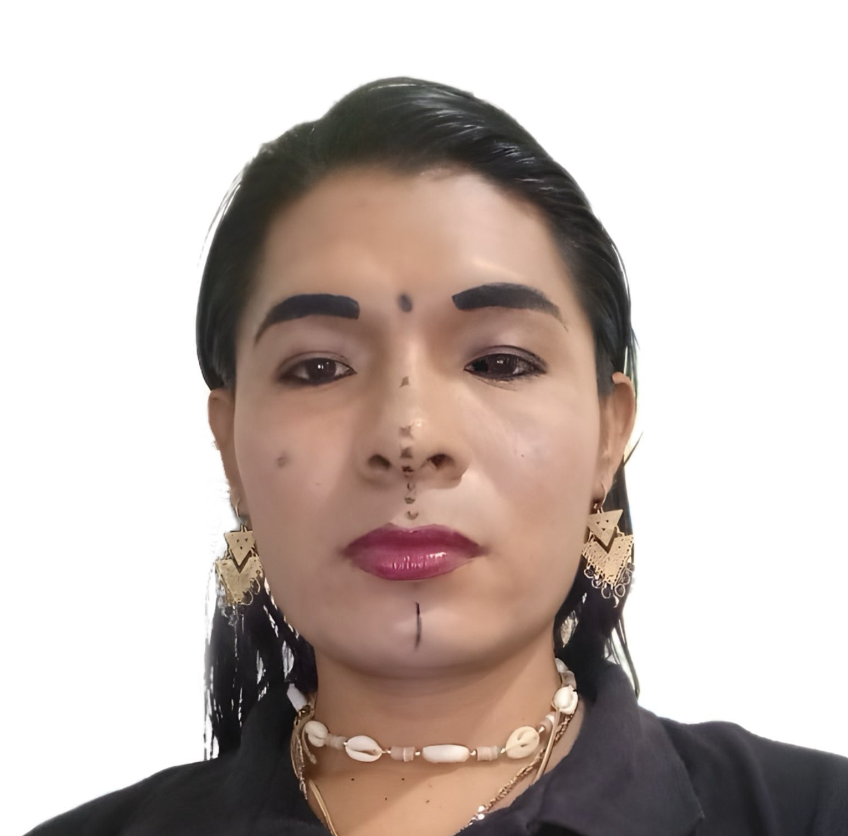
Chadiz Valentina, Resguardo Indígena, Urada Jiguamiando
Brave Indigenous Trans Woman Committed to Nature Conservation in Colombia. At 27 years old, Chadiz clearly understands the importance of spreading love and respect for life throughout the world, as well as the need to care for and protect our planet’s biodiversity to ensure the survival of all living beings that inhabit it.
Her story began in the Urada Jiguamiandó Indigenous Reserve, located in the municipality of Carmen del Darién in the Chocó department. She was born surrounded by the forests and vegetation of Colombia’s Pacific region.
From a young age, Chadiz was aware of her identity within the Indigenous community she belongs to. After a process of self-recognition and acceptance, she decided to transition to become the person she always wanted to be. She introduced herself to her family, community, and the world as a trans woman, leader, and defender of the rights of many others who remain silent, both within and outside Indigenous communities.
She faced numerous obstacles, including discrimination, exclusion, mistreatment from her community, and even persecution by armed groups active in the area. However, these challenges only strengthened her determination to continue her leadership, grounded in the legal right of the diverse population to actively participate in processes of social transformation.
Her connection to ProAves Colombia became possible due to her deep connection with the environment and her passion for educating and promoting nature conservation. In this organization, she has developed and enhanced her teaching and learning skills, becoming the first Indigenous trans woman educator and guardian of nature, responsible for spreading the message of biodiversity conservation in the Belén de Bajirá area, within the Atrato River basin.
She has reached schools and settlements in the seven communities of this Pacific region, sparking interest in conservation and sharing knowledge about cultural diversity and wildlife care.
Chadiz’s journey in conservation continues. She is currently advancing her studies to become a public health technician, after earning her high school diploma. The support, love, and acceptance from her family, especially her mother and siblings, have been key to her personal and professional growth.
Half-Earth Day 2024 Performers

Ensamble Pacífico
The Ensamble Lírico Colombia is a versatile company dedicated to providing exceptional live music for events across Colombia and beyond. Featuring top-tier artists and internationally acclaimed musicians, they deliver music of the highest quality. Their soloists have garnered numerous prestigious awards, including Grammys, showcasing their excellence in each musical discipline.
Among their most celebrated offerings is the ELC Orchestra, a crossover music group known for its performances at high-profile weddings and corporate events, both in Colombia and internationally. This time, the Ensamble Pacífico will highlight some of the most respected artists in traditional Pacific music from the Colombian coast.
Under the direction of Javier Varat for 15 years, Ensamble Lírico has been captivating audiences with outstanding concerts both in Colombia and around the world, proudly representing Cali on the global stage.
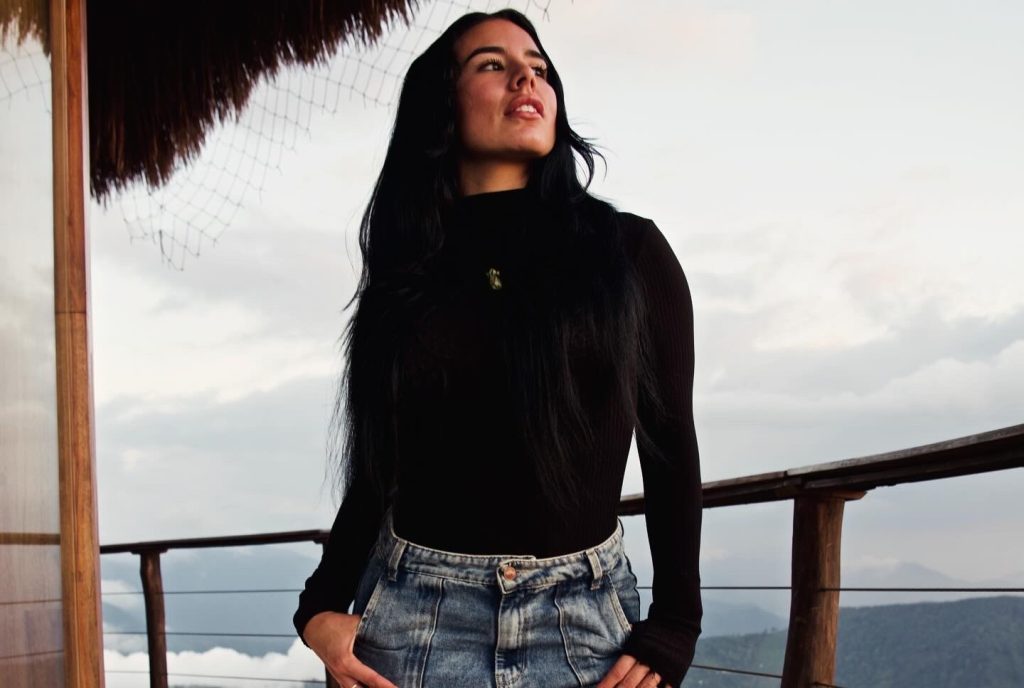
Isabella Cortes Lara, ISAVIBE
Isabella Cortes Lara, also known as ISAVIBE, is a renowned artist, activist, and Executive Director of Women for Conservation. With over a decade of experience, Isabella has been empowering women in the Sierra Nevada de Santa Marta through conservation initiatives, community projects, and public murals. Drawing from her Yanakona indigenous heritage from Cauca, Colombia, Isabella integrates ancestral wisdom with modern conservation efforts, focusing on environmental education, sustainable livelihoods, and family planning. She leads the ‘Women Guardians’ program, equipping indigenous and campesino women to protect Colombia’s fragile paramo ecosystems. In honor of her contributions, a newly discovered hummingbird species, Eriocnemis isabellae, was named after her.
As the creative director of the Rana Chiva Project, pioneered by Fundación ProAves, Isabella transformed a traditional Chiva bus into a mobile classroom that raises awareness about endangered species, including the endemic Lynch’s Colombian tree frog. Her innovative approach combines art, music, and conservation to foster environmental stewardship. The project is evolving, with the latest iteration, Reinita Chiva 2.0, focusing on migratory bird conservation. This version will be officially launched at COP16 in Cali, Colombia, in 2024.
Beyond conservation, Isabella, as ISAVIBE, blends her indigenous roots with Latin urban, reggaetón, and folklore in her music, raising awareness about environmental and cultural preservation. Her song “Agüita de Páramo,” composed for the Rana Chiva project, serves as a conservation anthem, incorporating the sounds of Colombia’s unique ecosystems to inspire action. Her art and music are featured in murals, galleries, and nature reserves, powerfully advocating for indigenous rights, reproductive justice, and environmental sustainability.
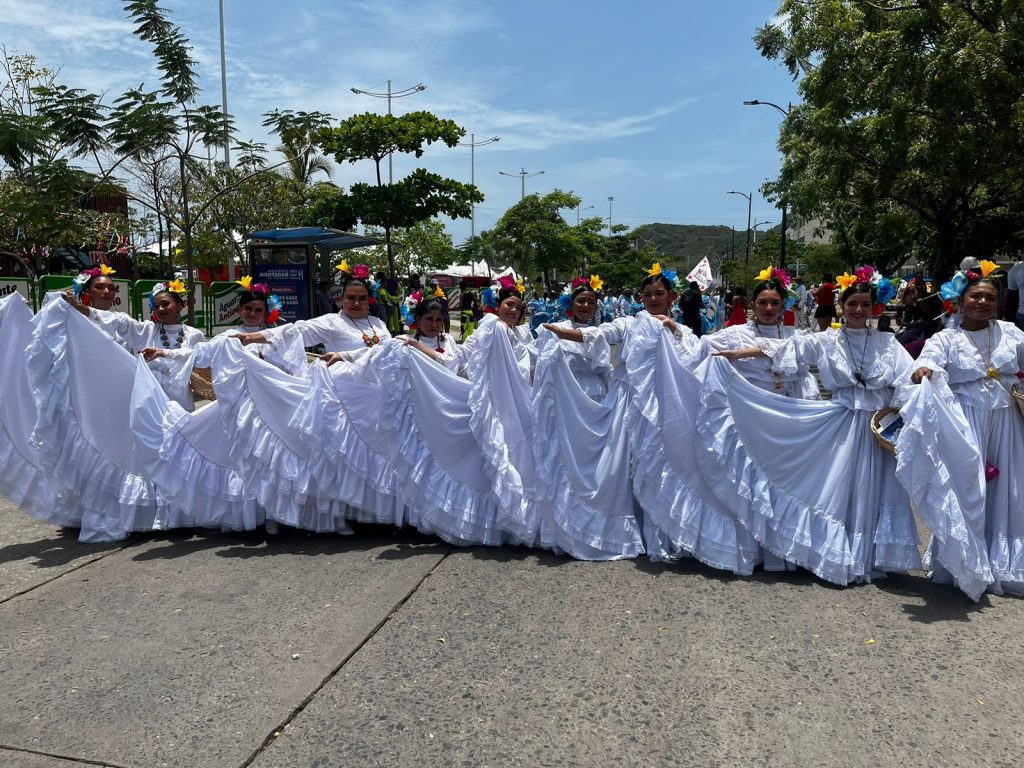
Women SINESAMA
Founded in 2019, Women SINESAMA was born from the need to involve mountain women in training, conservation and productivity processes.
In that year, the WOMEN FOR CONSERVATION ASSOCIATION, headed by director SARA LARA, reached out to the women of the Vista Nieves village, located in the Minca La Tagua subregion, in the Sierra Nevada de Santa Marta.
SARA LARA shared the philosophy and principles of her association and expressed the desire that women in this region become involved in the process and transformation of their own development. She shared her life story as a reference inspiring the women to recognize the opportunities available to them to grow as mothers, producers, entrepreneurs, and leaders. All the women in attendance expressed great interest in being part of their own transformation as well as being part of the transformation of the communities in the Sierra Nevada de Santa Marta.
They said: We are women with dreams that are somewhat frustrated by a lack of opportunities, by a lack of training, by abandonment, by radical machismo.
This is how a whole process of training in gastronomy, bird watching, participation and training in environmental processes and care for the environment began. The need arose to appoint a leader to coordinate these activities with the Women for Conservation Foundation.
Over the past five years, women have participated in activities and implemented environmental and community projects, becoming increasingly competent in learning, where knowledge, action and, above all, being are integrated. Every day, women have become empowered and have created businesses that involve their family nucleus to strengthen the economy and improve the quality of life for families.
The group of women from the Sierra Nevada de Santa Marta grew steadily, and became involved in community activities, sports, and culture. Each woman plays a role within the family and the community and is sensitive to the difficulties and needs of the environment. And so, the need to create and legalize an Association was born.
In 2024, this group of women from the Sierra Nevada de Santa Marta created the ASSOCIATION FOR PRODUCTIVE AND CULTURAL CONSERVATION OF THE SIERRA NEVADA DE SANTA MARTA (WOMEN SINESAMA).
Its social objective is to foster among its members an awareness of environmental conservation and the transformation of its agricultural and artisanal resources in order to become competent in the commercial and economic spheres. To promote female entrepreneurship in all sectors, as well as the integral, emotional, productive, economic and cultural development of the Sierra Nevada de Santa Marta. To promote the productive and cultural development of women, in rural and non-rural areas, taking into account the rescue of traditions. To train women and young people and the community in general in productivity, mental health and culture projects and to generate a sustainable economy.
Yesterday, Today and Tomorrow, Women SINESAMA promotes the development of the Sierra Nevada de Santa Marta, promoting environmental awareness and building a more humane and sustainable community.