
Priority Place 1785: Half-Earth Project Map
Deep in the heart of Oregon’s Willamette Valley, in the Pacific Northwest of the United States, an ecologist crouches beside a charred log, running their fingers through the rich, blackened soil beneath it. Just months ago, this landscape had been intentionally set ablaze in a controlled burn—one of many prescribed fires designed to restore balance to an ecosystem that had long been suppressed by decades of fire suppression policies. Now, the land was teeming with signs of renewal.
Once choked with dense underbrush, the area had opened up, creating space for native species to return. The thick layers of dead vegetation that previously smothered the forest floor had been cleared away, reducing competition for resources and allowing old-growth Oregon white oaks (Quercus garryana) to flourish. The burn had also created habitat diversity, benefiting well-known wildlife such as mule deer, elk, and western meadowlarks while making space for lesser-known species like the Oregon spotted frog (Rana pretiosa), an endangered amphibian that relies on open wetlands for survival.
In this episode of Places for a Half-Earth Future, we focus on Oregon’s Willamette Valley, Priority Place 1785, and how prescribed and cultural burning practices are reviving biodiverse ecosystems with species that have evolved to thrive with frequent fires.
While wildfires in places like the ones recently seen in Southern California have grown increasingly destructive—fueled by decades of fire suppression, dense vegetation, and a warming climate—fire itself is not inherently harmful. In contrast to these intense, uncontrollable blazes, prescribed and cultural burning are tools that harness fire’s natural role to benefit ecosystems rather than destroy them. Land managers and Indigenous stewards restore landscapes, reduce hazardous fuel buildup, and promote biodiversity by carefully applying low-intensity burns at the right time and scale. These controlled fires mimic historical fire cycles, clearing invasive species, revitalizing native plants, and creating habitats for key wildlife, demonstrating that fire, when used intentionally, can be a force of renewal rather than devastation.
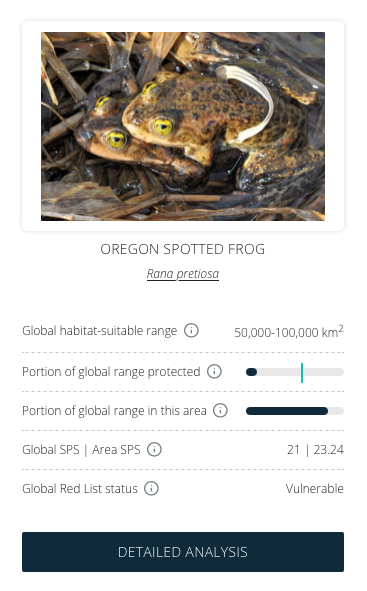
In the Willamette Valley, which is highlighted as a priority for biodiversity conservation through the science of the Half-Earth Project Map as a Place for a Half-Earth Future, given its numerous species that lack sufficient protection, fire is strategically used as a management tool to restore critical habitats and bring back important vertebrate species. Historically, the valley’s grasslands, oak savannas, and wet prairies were shaped by fire, many intentionally set by Indigenous peoples to promote biodiversity and maintain open landscapes. Many native plants are adapted to this type of fire regime. Without fire, these plants are often shaded out by other native and non-native woody shrubs and trees competing for soil nutrients and water. This has severe impacts on native wildlife which rely on these unique ecosystems for survival. Today, prescribed burns help reestablish these natural processes, primarily in three habitat types, benefiting several key vertebrate species that rely on fire-adapted ecosystems
Oak Savannas and Woodlands
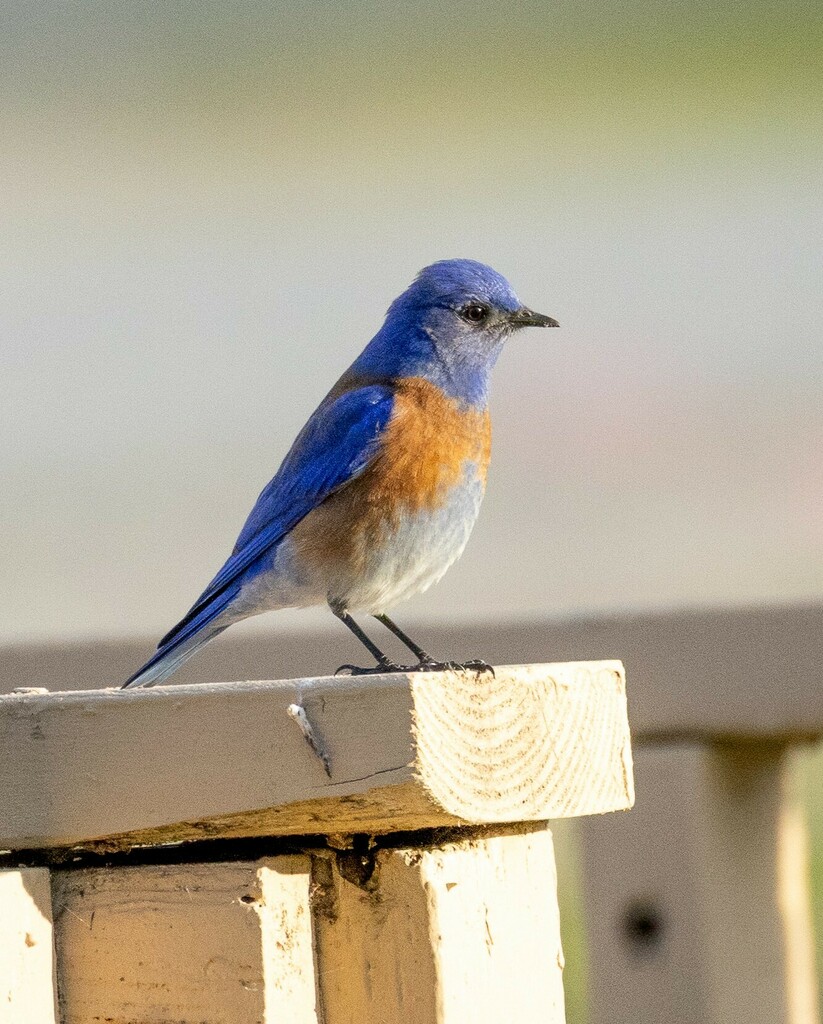
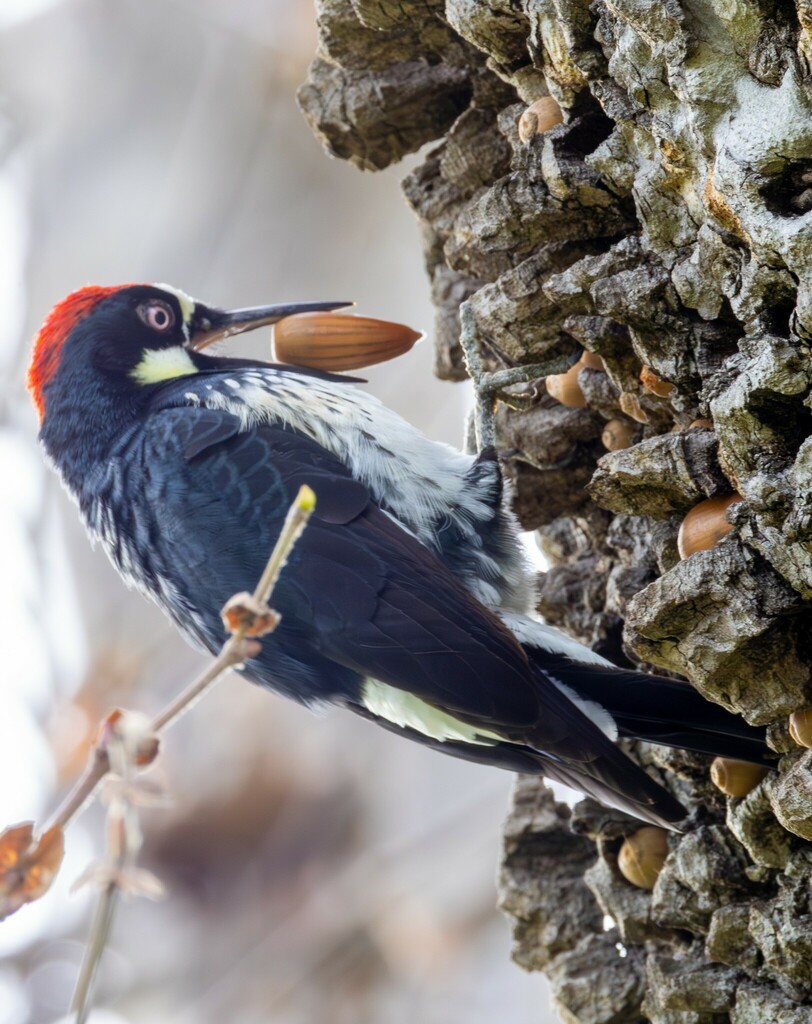
Once dominated by oak savannas, the Willamette Valley, where fire kept invasive conifers and dense shrubs at bay. The reintroduction of controlled burns has helped restore these habitats, creating open-canopy environments that support species like Western Bluebirds (Sialia mexicana) & Acorn Woodpeckers (Melanerpes formicivorus). These cavity-nesting birds depend on large, old Oregon white oaks, which thrive in fire-maintained landscapes.
Wet Prairies and Wetlands
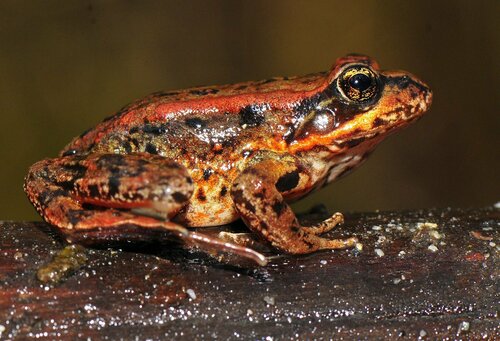
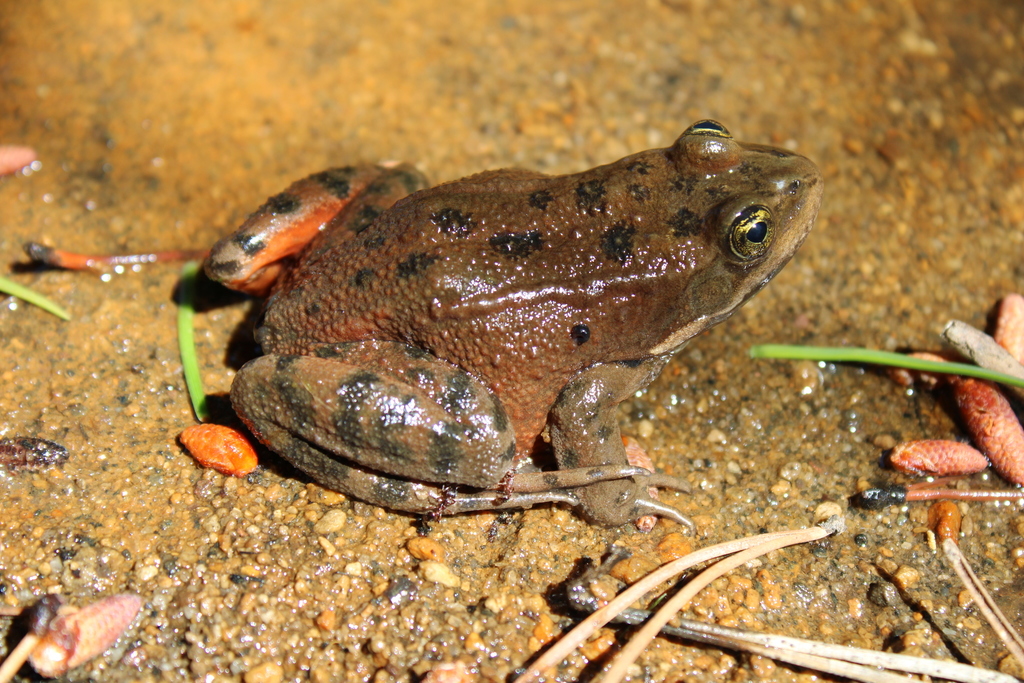
Oregon’s wet prairies, historically maintained by fire, provide essential breeding and foraging grounds for amphibians. Suppression of fire led to overgrowth, reducing available habitat, but prescribed burning has helped species like the Northern red-legged Frog (Rana aurora), which benefit from the improved hydrology and restored native plant communities that fire fosters in seasonal wetlands, and the previously mentioned Oregon spotted frog that needs shallow, warm wetlands with open conditions for reproduction and tadpole development.
Grasslands
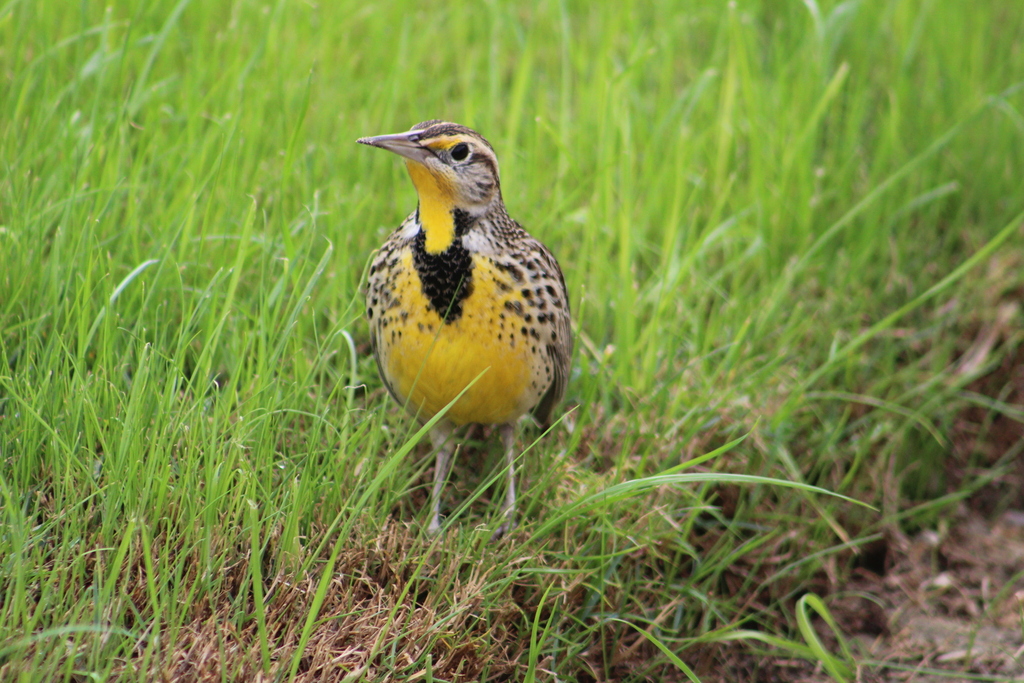
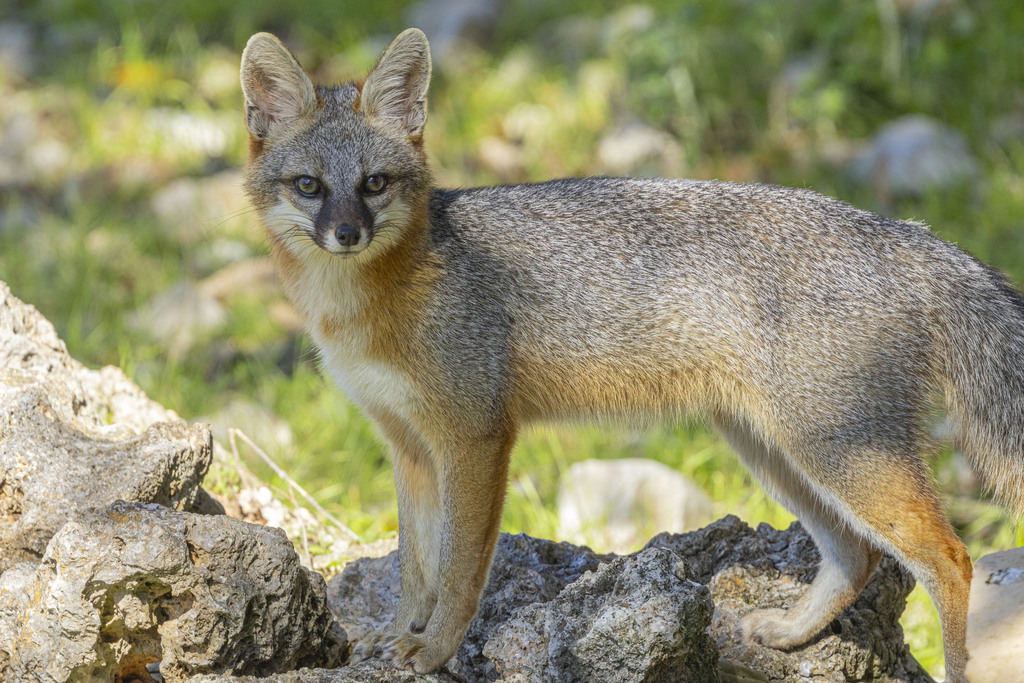
Open grasslands, once a defining feature of the Willamette Valley, have been shrinking due to fire suppression, agriculture, and encroaching woody vegetation. Prescribed burning helps restore these areas, benefiting species like the previously mentioned Western meadowlark (Sturnella neglecta), an iconic grassland bird and the state bird of Oregon requires open fields for nesting and hunting insects. The Townsend’s vole is a small mammal that thrives in fire-managed habitats, where native grasses and seed-producing plants are more abundant. Their presence supports predators like raptors and Gray foxes (Urocyon cinereoargenteus).
Explore the species of the Willamette Valley that need greater protection and stewardship on the Half-Earth Project Map
By using prescribed burns to mimic historical fire patterns, land managers in the Willamette Valley are reviving critical ecosystems and ensuring that native vertebrates can once again flourish in the landscapes they evolved to inhabit.
One group is leading local efforts to bring back fire to the landscape. The Willamette Valley Fire Collaboration (WVFC), a conservation program of the Ecostudies Institute, is dedicated to restoring traditional fire practices to improve fire management and ecological health in the Willamette Valley. A key emphasis of the initiative has been the support of Indigenous fire stewards, incorporating their ancestral knowledge and techniques into modern fire strategies. One of WVFC’s standout efforts was its all-Indigenous youth fire crew, informally called the “Wagon Burners.” This team worked to bring back “good fire” – controlled burns that support habitat restoration and ecosystem resilience while reclaiming Indigenous fire stewardship traditions.
WVFC partners with The Confederation Tribes of Siletz Indians, The Confederated Tribes of Grand Ronde, other Tribes, and over 30 regional organizations to support Indigenous leadership in land stewardship. Together, they implement ecological burns to restore landscapes, reduce wildfire risks, and strengthen culturally important native species. By blending cultural fire practices with contemporary fire management, WVFC fosters healthier, more resilient ecosystems while honoring Indigenous traditions.
The impact of prescribed burns on biodiversity was clear. By carefully reintroducing fire into these landscapes, conservationists prevented catastrophic wildfires and revived an ecosystem that depended on periodic burns for renewal. In this restored environment, wildlife finds new opportunities to thrive, and the landscape once again reflects the natural cycles that have shaped it for centuries.
As the ecologist rises, they take in the transformed landscape, tender green shoots pushing through the soil, insects buzzing over wildflowers that had lain dormant for years, and birds flitting through the resurgent oak savanna. The burn had done its job, clearing invasive species, revitalizing the soil, and making way for the native plants and animals that depend on fire’s cyclical touch.
This scene is a testament to the power of prescribed fire—not as a force of destruction but as a tool of renewal, deeply woven into the fabric of the Willamette Valley’s ecosystems and cultural traditions. With each carefully planned burn, scientists, land stewards, and Indigenous practitioners are helping to heal the land, ensuring that fire, once an enemy, is embraced as an ally in the fight to restore biodiversity.
Special thanks to: Jessica McDonald, Executive Director & Matt Benotsch, Outreach Manager, Greenbelt Land Trust, and Day MacKendrick, Fire Partnership Specialist, The Nature Conservancy Oregon.
If you or your organization has an idea for a story like this or a question, please contact Brooks Bonner, Program Director of the Half-Earth Project at the E.O. Wilson Biodiversity Foundation, at bbonner@eowilsonfoundation.org.