
Half-Earth Day 2018
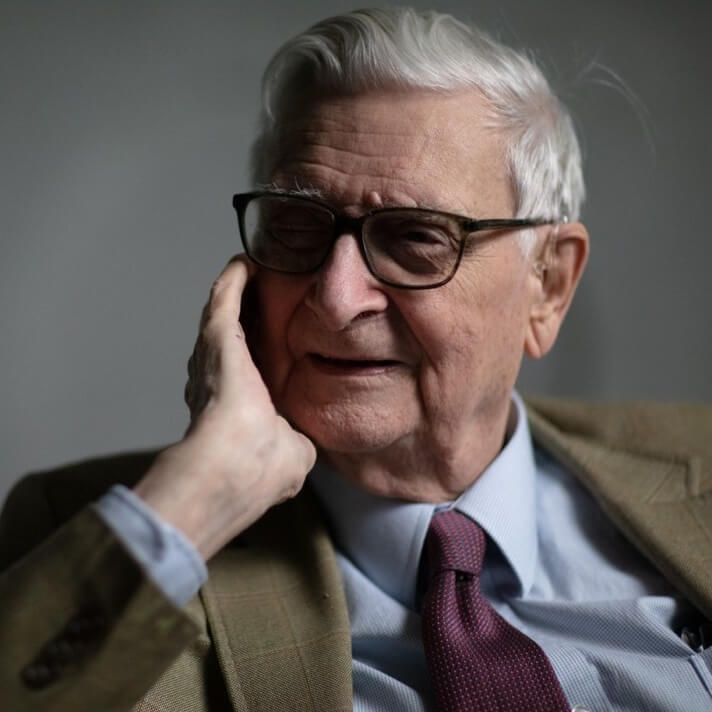
E.O. Wilson, Biologist and Naturalist

Paul Simon, Legendary Recording Artist
Walter Jetz is a Professor of Ecology and Evolutionary Biology and of Forestry and the Environment at Yale University. He is Scientific Chair of the E.O. Wils
In June 2017, net proceeds from Paul Simon’s month-long U.S. tour were donated to benefit the Half-Earth Project, an initiative of the E.O. Wilson Biodiversity Foundation, which is committed to stopping the species extinction crisis by conserving half the planet’s lands and oceans. Paul Simon is a member of the Half-Earth Council and a member of the Board of Directors of the E.O. Wilson Biodiversity Foundation.
During his distinguished career, Paul Simon has been the recipient of many honors and awards, including 16 Grammy Awards. In 2003, he received a Grammy Lifetime Achievement Award for his work as half of the duo Simon & Garfunkel. Simon is a member of the Songwriters Hall of Fame and has been inducted into the Rock ‘n’ Roll Hall of Fame both as a member of Simon & Garfunkel and as a solo artist. Simon was a recipient of the Kennedy Center Honors in 2002 and was named one of Time magazine’s “100 People Who Shape Our World” in 2006. In 2007, Simon was awarded the inaugural Library of Congress Gershwin Prize for Popular Song, which recognizes the profound and positive effect of popular music on the world’s culture. He was elected to the American Academy of Arts and Sciences in 2011. And in 2012, he was named the recipient of the prestigious Polar Music Prize along with Yo-Yo Ma. Simon’s philanthropic work includes the co-founding of the Children’s Health Fund (CHF), which donates and staffs 53 mobile medical units that bring health care to low-income children and their families in urban and rural locations around the United States. Since its inception in 1987, CHF has provided more than 3 million doctor/patient visits. Over his career, Simon has also raised millions of dollars for worthy causes as varied as Autism Speaks, The Nature Conservancy, CURE, and Tibet House.
on Biodiversity Foundation and the lead scientist for the Half-Earth Project Map. Dr. Jetz is Director of the Yale Center for Biodiversity and Global Change, which links scientists, students and practitioners engaged in the environment, biological, infomatics, policy or health aspects and implications of global biodiversity change. He also leads the Map of Life, which consolidates global biodiversity distribution data sources into a single asset to provide the best possible species range information and species lists for any geographic area worldwide. Dr. Jetz’ work addresses patterns and mechanisms of changing biodiversity distribution and the resulting implications on conservation and environmental management. His research combines remote sensing, phylogenetic, functional, and spatiotemporal biodiversity data with new modeling approaches and informatics tools. Dr. Jetz is particularly interested in how environmental, ecological, and macroevolutionary mechanisms combine to determine the co-occurrence of species and the structure of species assemblages. Dr. Jetz has chaired the IPBES Task Group on Biodiversity Indicators and is Co-Lead of the GEO BON Working Group on Species Distributions. Dr. Jetz was previously a professor of biological sciences at the University of California San Diego. Dr. Jetz earned his MSc in Integrative Bioscience and DPhil in Zoology from the University of Oxford.
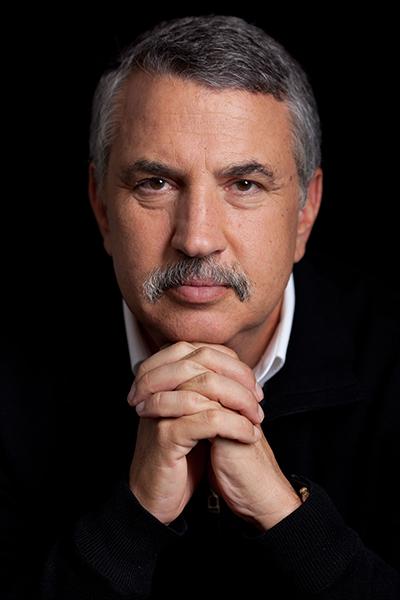
Thomas L. Friedman, Author and Journalist, The New York Times
Thomas L. Friedman, an internationally known author and journalist, has won the Pulitzer Prize three times for his work at The New York Times. His foreign affairs column in The New York Times reports on US domestic politics and foreign policy, Middle East conflicts, international economics, environment, biodiversity, and energy.
For his coverage of the Middle East, Mr. Friedman was awarded the Pulitzer Prize in 1983 and 1988 for international reporting. He was awarded the 2002 Pulitzer Prize for Distinguished Commentary for “his clarity of vision…in commenting on the worldwide impact of the terrorist threat.” In 2004, he was awarded the Overseas Press Club Award for lifetime achievement and the honorary title, Order of the British Empire (OBE), by Queen Elizabeth II. Friedman is the author of From Beirut to Jerusalem, which won both the National Book and the Overseas Press Club Awards in 1989, a revised edition was released in December 2012. The Lexus and the Olive Tree, winner of the 2000 Overseas Press Club Award for best non-fiction book on foreign policy. Longitudes and Attitudes: Exploring the World After September 11, issued in 2002, consists of columns Friedman published about September 11. The World is Flat: A Brief History of the Twenty-first Century, issued in April 2005 and updated in 2006 and 2007, received the inaugural Goldman Sachs/Financial Times Business Book of the Year Award. In 2008 he brought out Hot, Flat, and Crowded, which was published in a revised edition a year later. His sixth book, That Used to Be Us: How America Fell Behind in the World We Invented and How We Can Come Back, co-written with Michael Mandelbaum, was released in 2011. His new book, Thank You For Being Late: An Optimist’s Guide to Thriving in the Age of Accelerations 2.0, was updated and released in 2017.
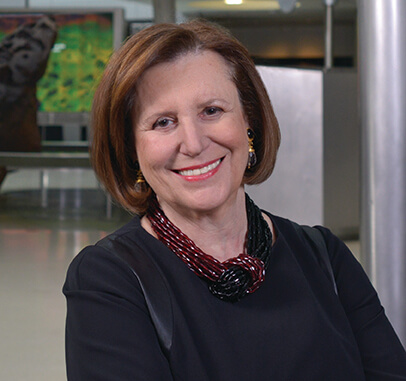
Ellen V. Futter, President, American Museum of Natural History
Ellen V. Futter has been President of the American Museum of Natural History since 1993. During her tenure, the Museum has been in one of the most active periods of growth in its history, including extending the role of museums more broadly in formal education and promoting science literacy among the general public.
Before joining the Museum, Ms. Futter served as President of Barnard College for 13 years, where, at the time of her inauguration, she was the youngest person ever to have assumed the presidency of a major American college. Ms. Futter is committed to public service and is widely recognized as a spokesperson on behalf of science education and women’s issues. She serves on the boards of several nonprofit and for-profit organizations, including The Brookings Institution, Memorial Sloan-Kettering Cancer Center, NYC & Company, and Consolidated Edison, and she is a member of the Council on Foreign Relations and a fellow of the American Academy of Arts and Sciences, where she serves on the steering committee for its Public Face of Science initiative. She has received numerous honorary degrees and awards, including the Rachel Carson Award of the Audubon Society. Ms. Futter has the distinction of having been the first woman to head a major New York City cultural institution and the first woman to be chairman of the board of the Federal Reserve Bank of New York. Ms. Futter graduated Phi Beta Kappa, magna cum laude, from Barnard College and earned her J.D. degree from Columbia Law School. She began her career at Milbank, Tweed, Hadley & McCloy, where she practiced corporate law.

Paula J. Ehrlich, President and CEO, E.O. Wilson Biodiversity Foundation, Co-Founder, Half-Earth Project
Paula J. Ehrlich, DVM, PhD, is the President and CEO of the E.O. Wilson Biodiversity Foundation, where she oversees the Foundation’s broad activities to foster a knowing stewardship of our world through biodiversity research and education initiatives that promote and inform worldwide protection of biodiversity.
Dr. Ehrlich leads the Half-Earth Project, which is driving the research needed to better understand and care for our world, providing leadership to guide conservation efforts, and engaging people to participate broadly in the goal to conserve half the Earth and protect 85% or more of species, including ourselves. Dr. Ehrlich has more than 25 years of strategic scientific management and research expertise and diverse academic, non-profit, and corporate leadership experience. She was formerly President and CEO of the Drug Discovery Center of Innovation in Research Triangle Park, NC, Senior Director of Scientific Affairs at Ansaris (formerly Locus Pharmaceuticals), and Preclinical Oncology Imaging Lead and Associate Franchise Director at Merck Research Laboratories in West Point, PA. At Merck, she led initiatives to establish imaging biomarkers and proof-of-concept for over 12 lead compounds, which are currently in clinical trials. She has held research, clinical, and teaching positions at Tufts University School of Veterinary Medicine, the Atlantic Veterinary College, and the Royal Veterinary College. Dr. Ehrlich has a B.S. in Zoology from Duke University, a Masters degree in Environmental Planning from the University of Virginia, a DVM from the Virginia-Maryland Regional College of Veterinary Medicine, and a PhD in Bone Physiology from the Royal Veterinary College, University of London. She has Six Sigma Green Belt training and is a Diplomate of the American College of Veterinary Surgeons.
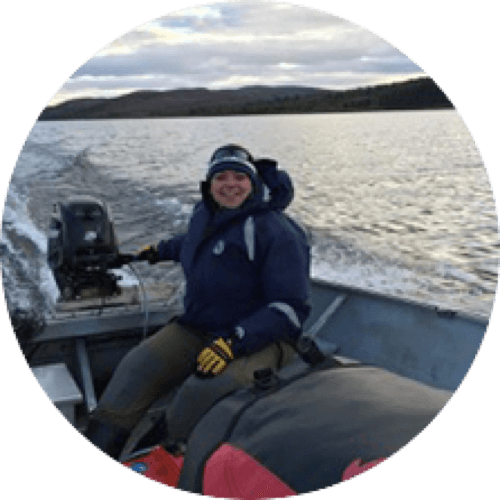
Valérie Courtois, Indigenous Leadership Initiative, Canada
Valérie Courtois is a registered professional forester who specializes in Indigenous issues, forest ecology, and ecosystem-based management and planning. She is a member of the Innu community of Mashteuiatsh, located on the shore of Peikuakami, or Lac-St-Jean. Valérie holds a degree in forestry sciences from the Université de Moncton. She has served as a forestry advisor for the Assembly of First Nations of Québec and Labrador, forestry planner for the Innu Nation, and as a consultant in Aboriginal forestry, including certification and spatial planning, and caribou planning. In 2007, Valérie was awarded the James M. Kitz award from the Canadian Institute of Forestry for her early-career contributions to the forestry profession. She has been the Director of the Indigenous Leadership Initiative since 2013. In addition to her work in conservation and planning, Valérie is an avid photographer. She is also on the Board of Directors of the Corporation du Mushuau–nipi, a non-profit that encourages cultural and professional exchanges on the George River. Valérie was also one of the inaugural recipients of the Labradorian of Distinction award in 2017, for her work caring for Labrador’s environment throughout her career. She lives in Happy Valley—Goose Bay, Labrador.
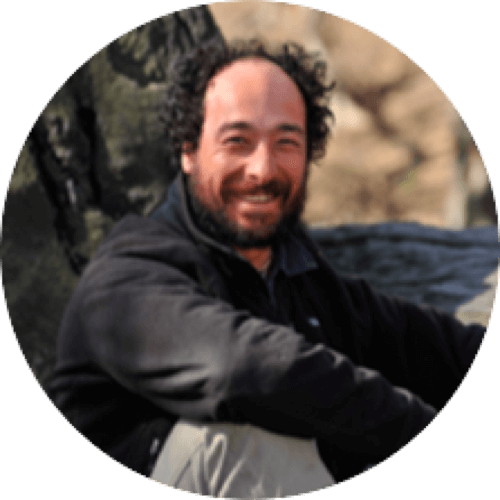
Christopher Filardi, Nia Tero
Christopher Filardi is a research scientist by training, with 30 years of experience building grassroots partnerships with indigenous peoples to sustain thriving natural systems under their stewardship. Chris helped establish community-based wildlife reserves in Papua New Guinea, facilitated strategies for customary protected areas in the Solomon Islands, and has contributed to indigenous-led large-scale conservation initiatives in North America. He established and then directed Pacific Programs for over 10 years at the American Museum of Natural History and has worked with Conservation International, the Nature Conservancy, and the Wildlife Conservation Society on integrating science and reciprocal agreements with indigenous peoples into large-scale conservation programs.
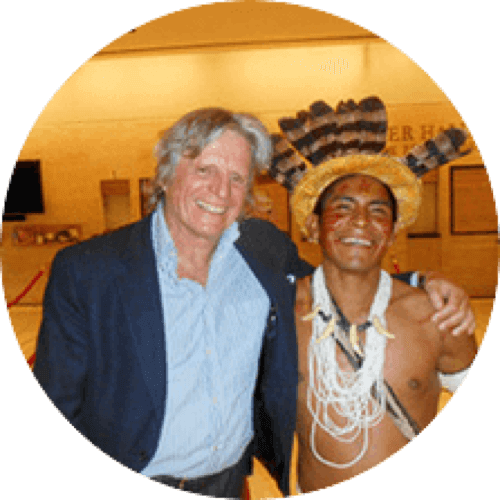
Martín von Hildebrand, Founding Director, Gaia Amazonas Foundation
Martín von Hildebrand has dedicated the last 40 years to strengthening the indigenous communities and conservation of the Amazon. In the 1970s, he moved from Bogota to the Colombian Amazon to live with and learn from indigenous groups as part of his PhD studies in ethnology. In the 1980s, he focused on shaping laws in the Colombian Interior Ministry to grant land rights to indigenous groups. In 1991, as the coordinator for the Amazon in the president’s office, he secured constitutional support for granting land rights to Colombian indigenous people. Martín set up an NGO Amazon coalition for the Consolidation of the Amazon Region COAMA and Gaia Amazonas Foundation in the 1990s to help indigenous groups access and defend their constitutional rights. A remarkable 55% of the Colombian Amazon is now indigenously owned. Martin is currently coordinating the Andes Amazon Atlantic Corridor initiative to safeguard the ecosystem connectivity and the environmental services in the northern region of the Amazon as a concrete solution to tackle climate change. He has dedicated the last three years to articulating this goal with governments, NGOs, and indigenous organizations across borders of the eight countries involved, in order for a wide range of stakeholders to commit to this vision for the future of the region. Martín is the recipient of numerous awards, including the Right Livelihood Award (the Alternative Nobel Prize), Operation Hope’s Man of the Year 2006, and the 2009 Skoll Award for Social Entrepreneurship.
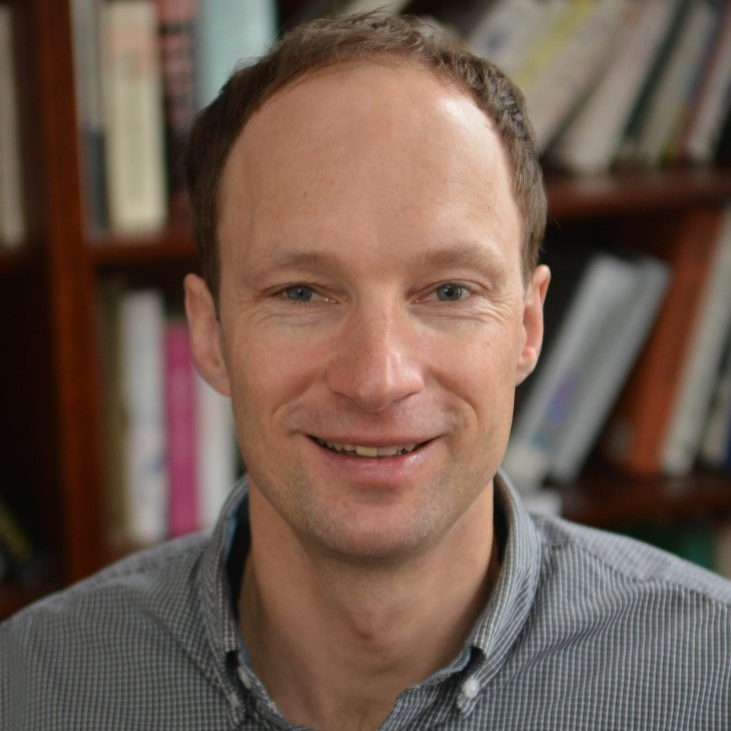
Walter Jetz, Scientific Chair, E.O. Wilson Biodiversity Foundation, Professor, Yale University
Walter Jetz is the Scientific Chair of the E.O. Wilson Biodiversity Foundation and leads the Half-Earth Project mapping initiative. He is a Professor of Ecology and Evolutionary Biology and Adjunct Professor in the School of Forestry and the Environment at Yale University. Dr. Jetz is Director of the Yale Center for Biodiversity and Global Change, which links scientists, students and practitioners engaged in the environment, biological, informatics, policy or health aspects and implications of global biodiversity change. He also leads the Map of Life, which consolidates global biodiversity distribution data sources into a single asset to provide the best possible species range information and species lists for any geographic area worldwide. Dr. Jetz’ work addresses patterns and mechanisms of changing biodiversity distribution and the resulting implications on conservation and environmental management. His research combines remote sensing, phylogenetic, functional, and spatiotemporal biodiversity data with new modeling approaches and informatics tools. Dr. Jetz is particularly interested in how environmental, ecological, and macroevolutionary mechanisms combine to determine the co-occurrence of species and the structure of species assemblages. In addition to his work at Yale, Dr. Jetz chairs the IPBES Task Group on Biodiversity Indicators and is Co-Lead of the GEO BON Working Group on Species Distributions. Dr. Jetz was previously a professor of biological sciences at the University of California San Diego. Dr. Jetz earned his MSc in Integrative Bioscience and DPhil in Zoology from the University of Oxford.
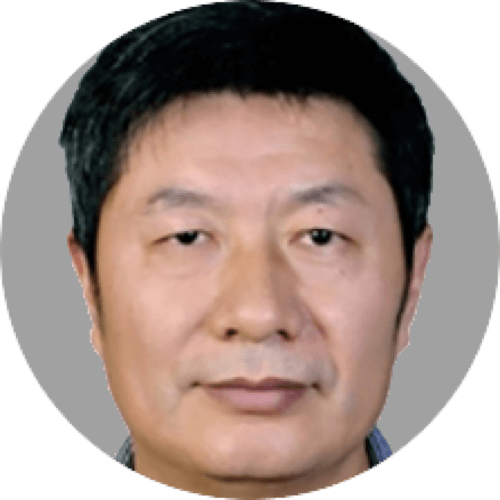
Chen Jin, Xishuangbanna Tropical Botanical Garden, China
Chen Jin has more than 30 years of research experience in tropical China at Xishuangbanna, a biologically and culturally diverse area near the border to countries Laos and Myanmar. His research interests include the ecology and evolution of plant-animal interaction, environmental education, and conservation biology, with over 70 papers published in international journals. Chen Jin has been the director of Xishuangbanna Tropical Botanical Garden of the Chinese Academy of Sciences since 2005, and the President of the Chinese Union of Botanical Gardens (CUBG) since its establishment in 2013, now with 110 member gardens in China. He served as the first President of the Asia-Pacific Chapter of the Association of Tropical Biology and Conservation (ATBC)(2006-2008), Councilor of ATBC (2005-2007), and associate editor of several journals including Proceedings B. He was honored as one of the “Top 10 National Outstanding Science and Technology Workers” by the China Association for Science and Technology in 2010. Chen Jin received a bachelor’s degree in horticulture from Nanjing Agricultural University (1986) and a doctor degree in botany from Kunming Institute of Botany of Chinese Academy of Sciences (2003).
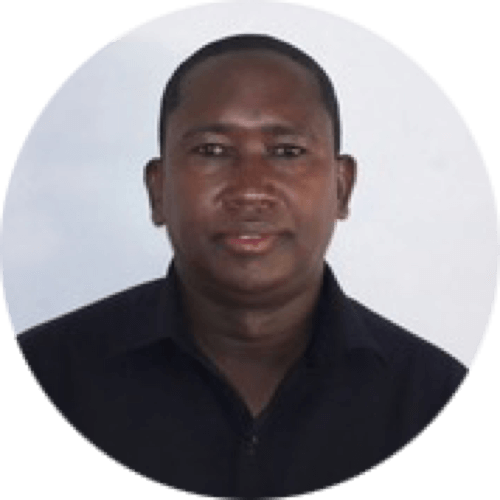
Tom Lalampaa, Northern Rangelands Trust, Kenya
Tom Lalampaa is a Samburu from the West Gate Community Conservancy, one of the most well-established Northern Rangelands Trust (NRT) member conservancies, and has been a leader in the design, development, and expansion of the NRT for the past 10 years. As someone with an in-depth knowledge of the challenges attached to pastoral life in north Kenya, he has earned a great deal of respect among the 15 different ethnic groups he serves. Tom is the founding Chairman of the Kenya Wildlife Conservancies Association (KWCA), a trustee of the Kenya Wildlife Service Board, and has served as the Vice Chair of the Wildlife Security Task Force formed by the government of Kenya. Tom was awarded the Tusk Conservation Award by the Duke of Cambridge 2013, and the Stanford University Law School Bright Award for Environmental Sustainability in 2016. In 2015, Tom made a presentation to President Obama during his visit to Kenya.
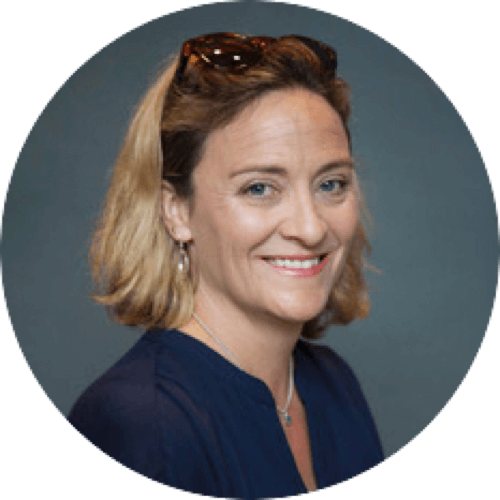
Laly Lichtenfeld, Co-Founder, African People and Wildlife, Tanzania
Dr. Laly Lichtenfeld believes in finding the balance for communities and nature. A long-time resident of Tanzania, Laly co-founded African People and Wildlife in 2005 to help rural communities conserve and benefit from their wildlife and natural resources. Laly specializes in human-wildlife conflict prevention, species conservation focusing on lions and other big cats, community empowerment and engagement in natural resource management, and the development of conservation incentives for rural people. As a female CEO in East African conservation, Laly is often one of few women at the senior leadership table, a responsibility she does not take lightly. In 2018, Laly became an invited member of the Ngorongoro Conservation Area Authority Research Advisory Committee. Laly received her Ph.D. from Yale University in 2005. She is an accomplished speaker, a Distinguished Alumni of the Yale Tropical Resources Institute, a National Geographic Explorer, and a recipient of the 2016 Lowell Thomas Award for Open Space Conservation from the historic Explorers Club.
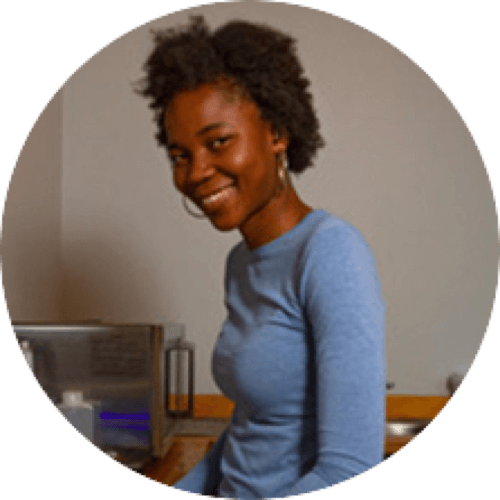
Laura Macamo, E.O. Wilson Biodiversity Laboratory, Gorongosa Restoration Project, Mozambique
Laura Macamo was born and raised in Maputo, Mozambique, one of the youngest daughters of seven children. Her father was the first of his mother’s sons to graduate from University, and he always encouraged Laura and her siblings to pursue their dreams through Education. Science has always been Laura’s #1 passion, particularly the fields of Biology and Chemistry. She studied Applied Biology at Universidade Eduardo Mondlane, where she spent two semesters working as a Genetics module monitor. After that experience, she decided she wanted to spend the rest of her life studying DNA. After college Laura studied microbiology and molecular biology lab practices at the National Health Institute. In 2017, Laura visited Gorongosa National Park for the first time for a Genetics Conservation seminar. Following the seminar, she trained as a lab manager at Instituto de Agronomia’s Plant Biotechnology in Lisbon. Laura currently coordinates the MoBioGenLab (Laboratory of Molecular Biology and Genetics), the first Molecular Biology and Genetics lab inside a conservation park in Mozambique. “I’m always rewarded with a beautiful landscape and natural environment. This is an opportunity to give back for free the knowledge I received for free.”

Mirian Masaquiza, Indigenous Peoples And Development Branch, Desa, United Nations Headquarters, NY
Mirian Masaquiza belongs to the Kichwa-Salasaka community of Ecuador. She has worked on three fronts: as an indigenous activist; as a staff member of the United Nations; and as a diplomat/advisor to the Government of Ecuador. Mirian has worked for the United Nations since 2003. Most of her work has related to the rights of indigenous peoples, as well as a range of other issues including gender, cultural and education, climate change, inter-agency affairs, outreach, political analysis, and non-governmental organizations. Mirian was instrumental in preparations for and organization of the 2014 World Conference on Indigenous Peoples; supported the negotiations for the adoption of the UN Declaration on the Rights of Indigenous Peoples in 2007; assisted intergovernmental negotiations related to resolutions pertinent to indigenous peoples’ issues; drafted and edited reports, speeches, and other relevant information. Other roles include: member of the Cabinet of the President of the 63rd session of the United Nations General Assembly; advisor at the Ministry of Cultural and National Heritage of Ecuador; and diplomat of the Permanent Mission of Ecuador to the United Nations in New York City. Before taking on these many roles, Mirian worked in her home country with indigenous peoples’ organizations to strengthen the participation of indigenous youth and women in various forums at both national and international levels.
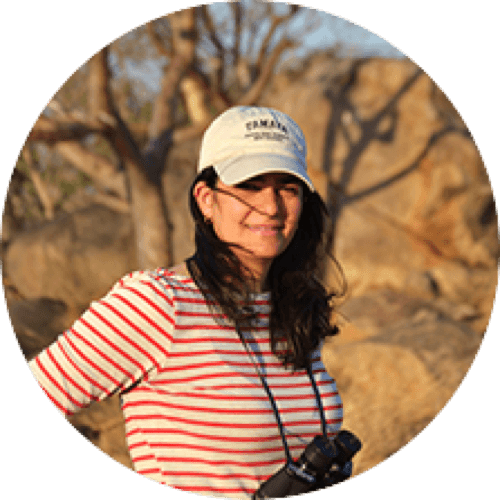
Ana Porzecanski, Director, Center for Biodiversity and Conservation, American Museum of Natural History
Ana Luz Porzecanski is an evolutionary and conservation biologist whose primary interests center on understanding biodiversity and how to sustain it effectively for the future through evidence-based management and capacity development. As Director of the American Museum of Natural History’s Center for Biodiversity and Conservation, Ana oversees a multidisciplinary staff leading biodiversity research and conservation initiatives worldwide. Ana joined the Center in 2003, and since 2010 has also directed its Network of Conservation Educators and Practitioners (NCEP), coordinating and leading conservation capacity development projects, designing teaching materials and curricula for university professors and conservation professionals, and leading professional development for diverse educator audiences in Latin America, Africa, and the United States. She has also led experimental research on the development of critical thinking and related skills in undergraduates, and taught courses on evolution, conservation and sustainability at Columbia University and New York University. Ana studied biological sciences at the Universidad de la República, Uruguay, and earned her Ph.D. from Columbia University, where she led research on the systematics and historical biogeography of South American aridland birds, as well as international environmental policy issues.
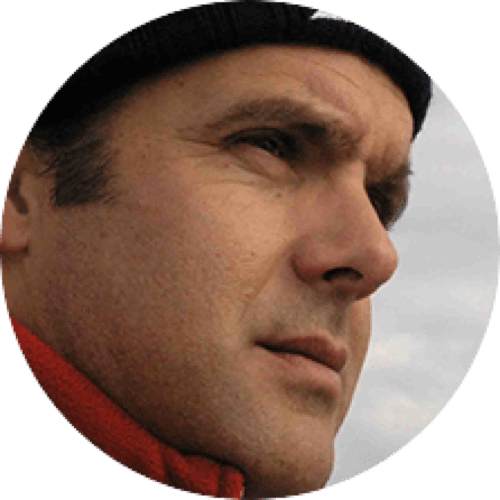
Enric Sala, Pristine Seas, National Geographic Explorer-in-Residence
Enric Sala is a National Geographic Explorer-in-Residence dedicated to restoring the health and productivity of the ocean. His more than 120 scientific publications are widely recognized and used for real-world conservation efforts such as the creation of marine reserves. Enric is currently working to help protect the last pristine marine ecosystems worldwide and to develop new business models for marine conservation. He founded and leads National Geographic’s Pristine Seas, a project that combines exploration, research, and media to inspire country leaders to protect the last wild places in the ocean. To date, Pristine Seas has helped to create 13 marine reserves—some of which are the largest on the planet—covering an area of nearly 4.4 million square km. Enric has received many awards, including 2008 Young Global Leader by the World Economic Forum, 2013 Research Award from the Spanish Geographical Society, 2013 Lowell Thomas Award from the Explorers Club, and the 2013 Hero Award from the Environmental Media Association. He is a fellow of the Royal Geographical Society. Enric’s experience and scientific expertise contribute to his service on advisory boards of international organizations and governments. Enric obtained his Ph.D. in Ecology from the University of Aix-Marseille, France, in 1996.
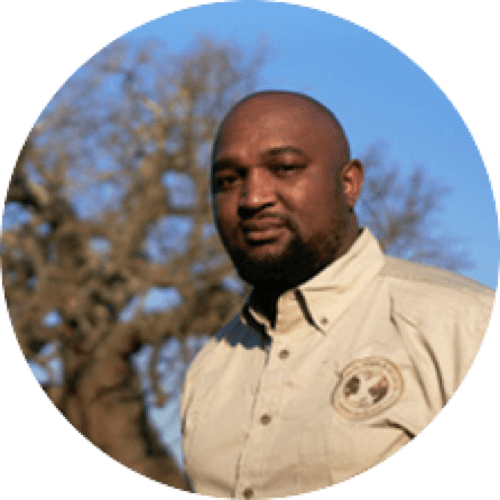
Neovitus Sianga, Community Conservation and Environment Program Officer, African People and Wildlife
Neovitus Cassian Sianga is the Community Conservation and Environment Program Officer at Tanzania People and Wildlife (TPW). Prior to assuming responsibilities in TPW’s rangeland management program, Neovitus held the position of environmental education program officer, offering critical input to the educational curriculum and activities. With a long history of family involvement in conservation, Neovitus feels Tanzania has a strong future in the conservation of its environments as long as rural communities are empowered to manage their natural resources wisely. Before joining the team in 2011, Neovitus received a bachelor’s degree in educational psychology from the University of Dar es Salaam. He is currently pursuing a master’s degree in natural resource assessment and management at the University of Dar es Salaam with a Sydney Byers Scholarship from the Wildlife Conservation Network.
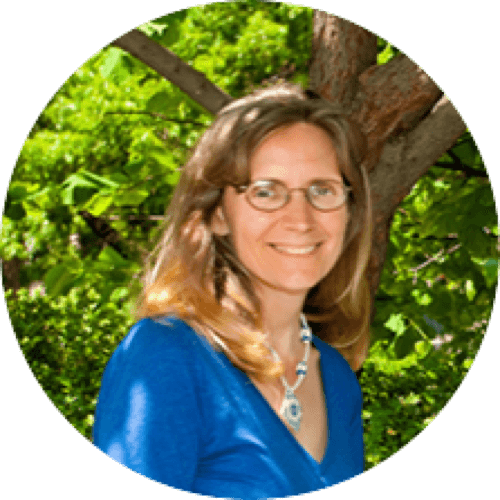
Eleanor Sterling, Jaffe Chief Conservation Scientist, Center for Biodiversity and Conservation, American Museum of Natural History
Eleanor Sterling is Jaffe Chief Conservation Scientist at the American Museum of Natural History’s Center for Biodiversity and Conservation. Building on her interdisciplinary training and over 30 years of field experience in Africa, Asia, Latin America, and Oceania, her work focuses on the intersection between biodiversity, culture, and languages; the factors influencing ecological and social resilience; and the development of indicators of wellbeing in biocultural landscapes. Eleanor is a world authority on the aye-aye, a nocturnal lemur endemic to Madagascar, and collaborates on an initiative integrating biology and econometrics across multiple scales for sustainable wildlife trade in Vietnam. She is also an expert in strategic planning and in implementation and evaluation of capacity development. She is currently Deputy Vice Chair for the International Union for Nature and Natural Resources World Commission on Protected Areas Core Capacity Development group where she co-leads working groups on Capacity Development Evaluation and on Indigenous Peoples and Local Communities. She co-founded the Equity, Inclusion, and Diversity Committee of the Society for Conservation Biology and the Women in Natural Sciences New York chapter of the Association for Women in Science. Eleanor is currently an adjunct professor at Columbia University. She received her B.A. degree from Yale College, and MPhil and PhD degrees in Anthropology and Forestry and Environmental Studies from Yale University.