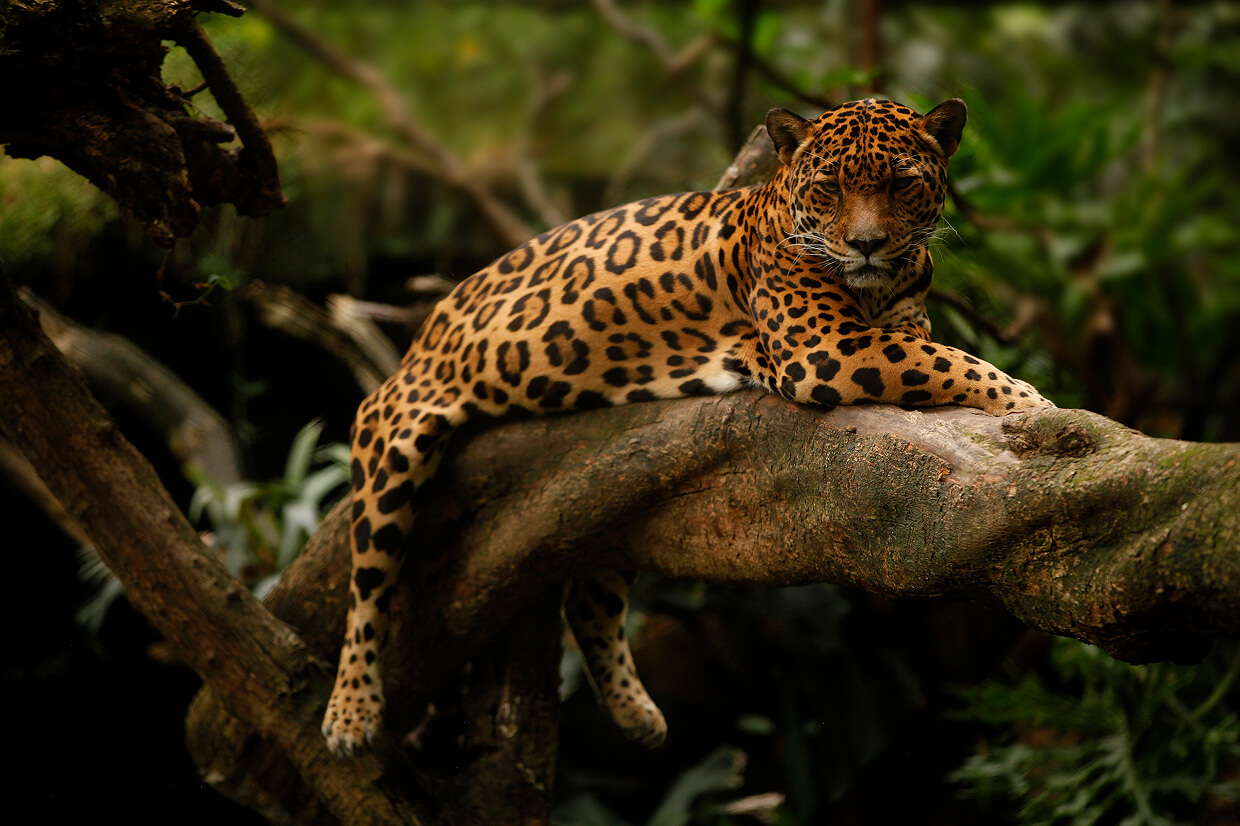
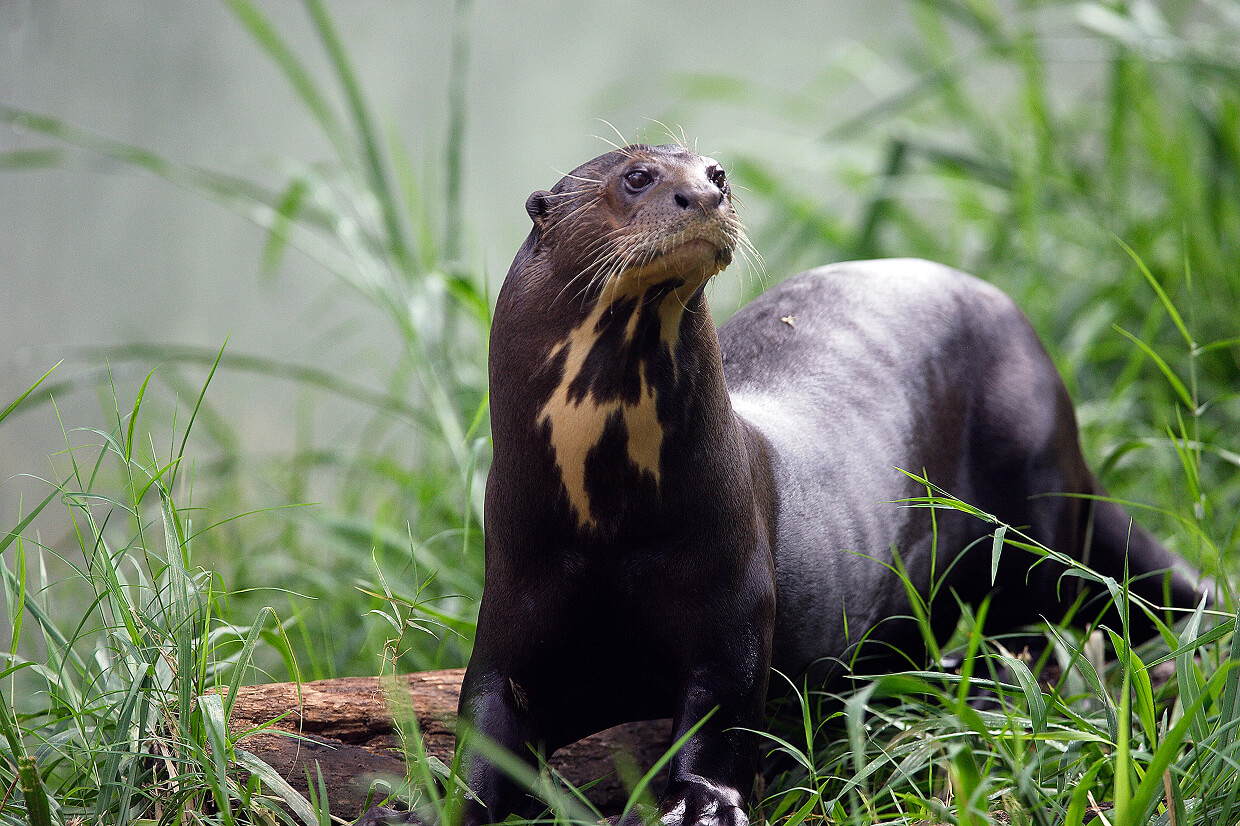
The Southern Peruvian Andes are among Earth’s most biodiverse-rich regions, vital to biodiversity. Extending from the high-altitude grasslands to the verdant cloud forests and into the Amazon basin, this area supports a wide variety of plant and animal life. Its steep slopes create diverse microclimates, enabling species from both highland and lowland ecosystems to thrive in close proximity. This distinctive geography has resulted in high levels of endemism, meaning many species found here exist nowhere else in the world.
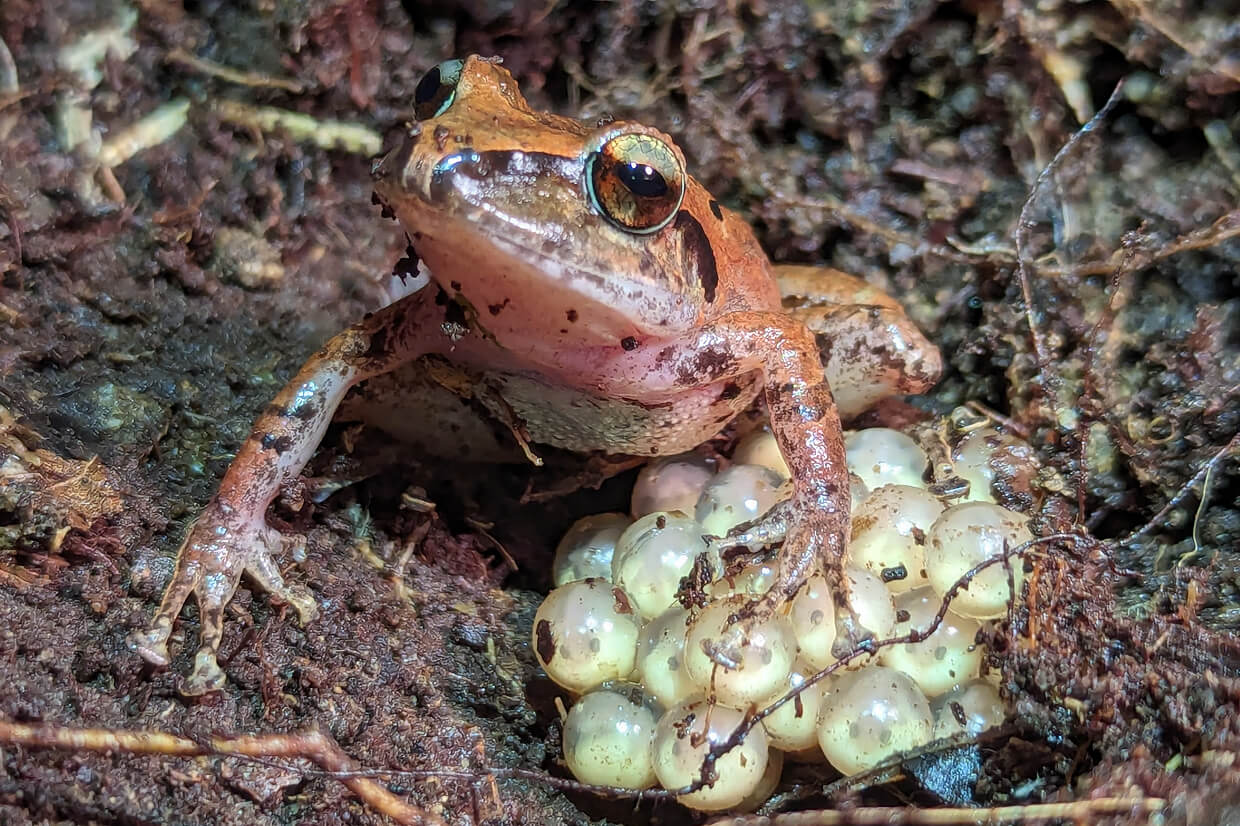
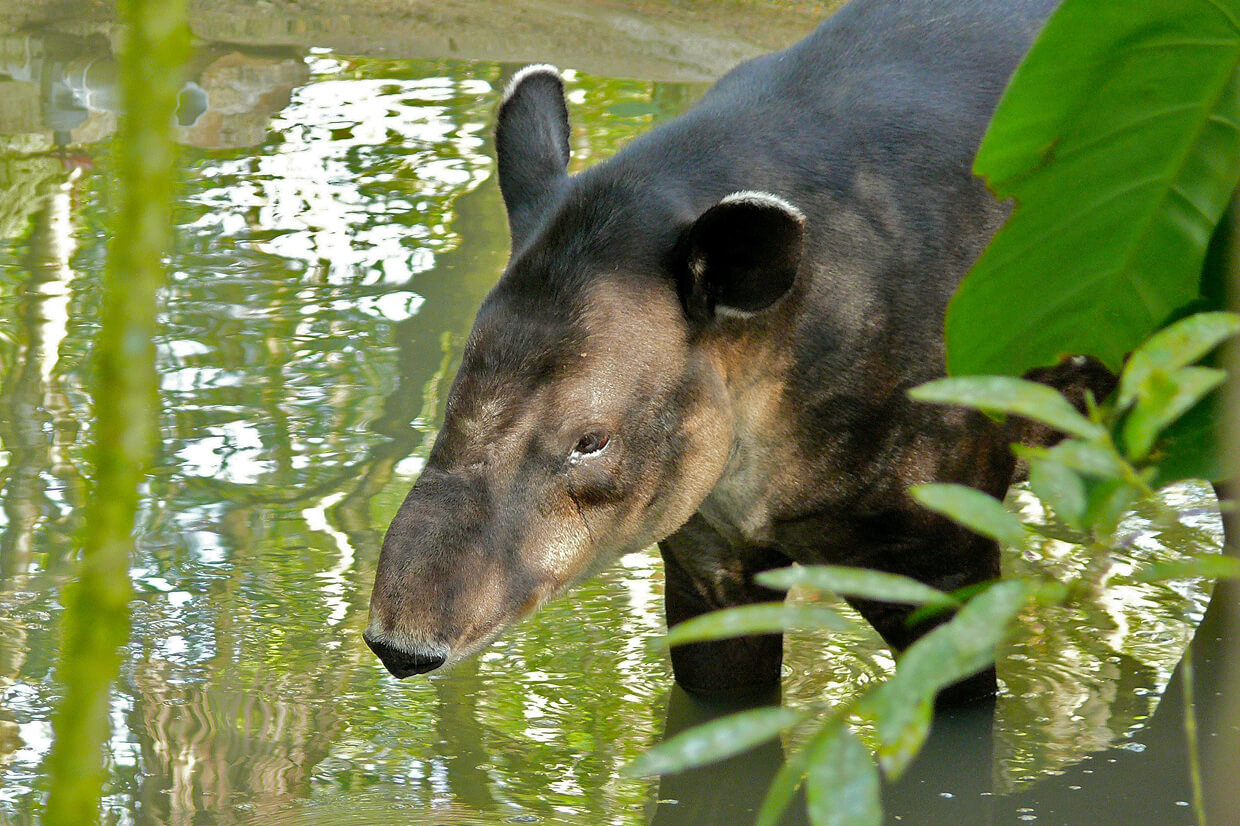
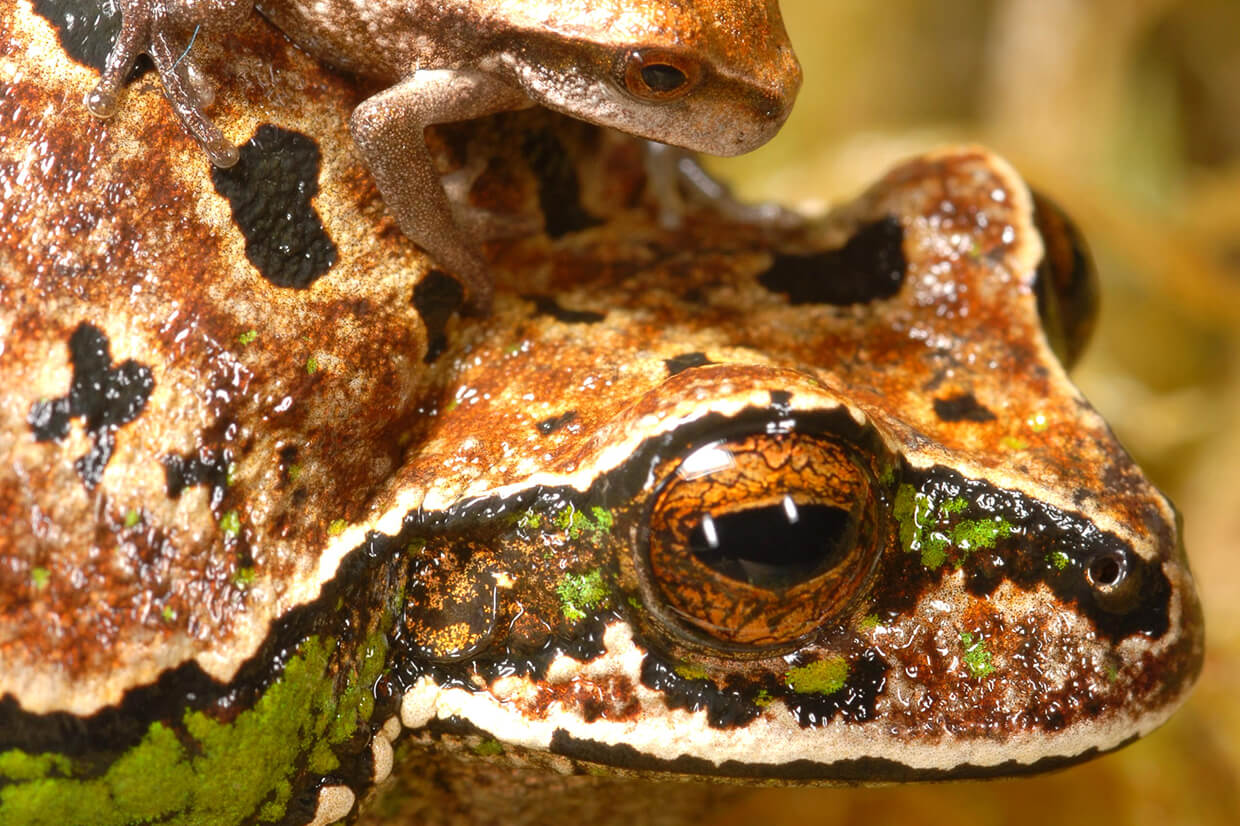
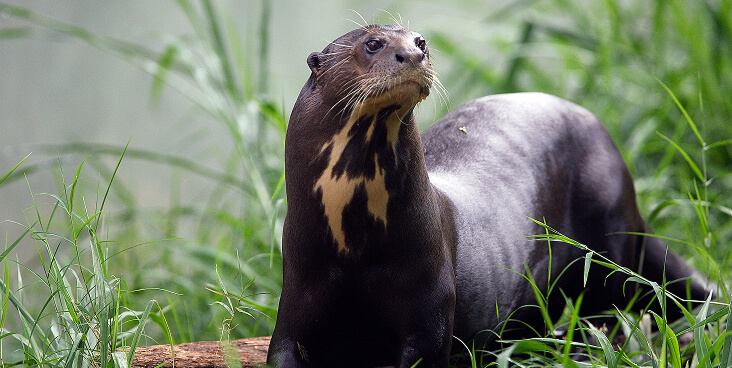
Among the region’s most remarkable inhabitants are amphibians and reptiles, which are particularly susceptible to environmental changes. Many frog species in the Andean cloud forests have evolved to depend on specific temperature and moisture conditions, making them especially vulnerable to climate change and habitat destruction. Additionally, mammals like the spectacled bear (Tremarctos ornatus) and the elusive lowland tapir (Tapirus terrestris) roam these rugged landscapes, playing vital roles in maintaining ecological balance.
Beyond its species richness, the Southern Peruvian Andes are crucial for ecosystem services supporting wildlife and human communities. The region’s forests act as a natural water source, regulating rainfall and feeding rivers that supply water to millions of people. These ecosystems also help store carbon, playing a role in mitigating climate change. However, threats such as deforestation, mining, and spreading diseases like chytridiomycosis, or “chytrid fungus” among amphibians, put this biodiversity at risk.
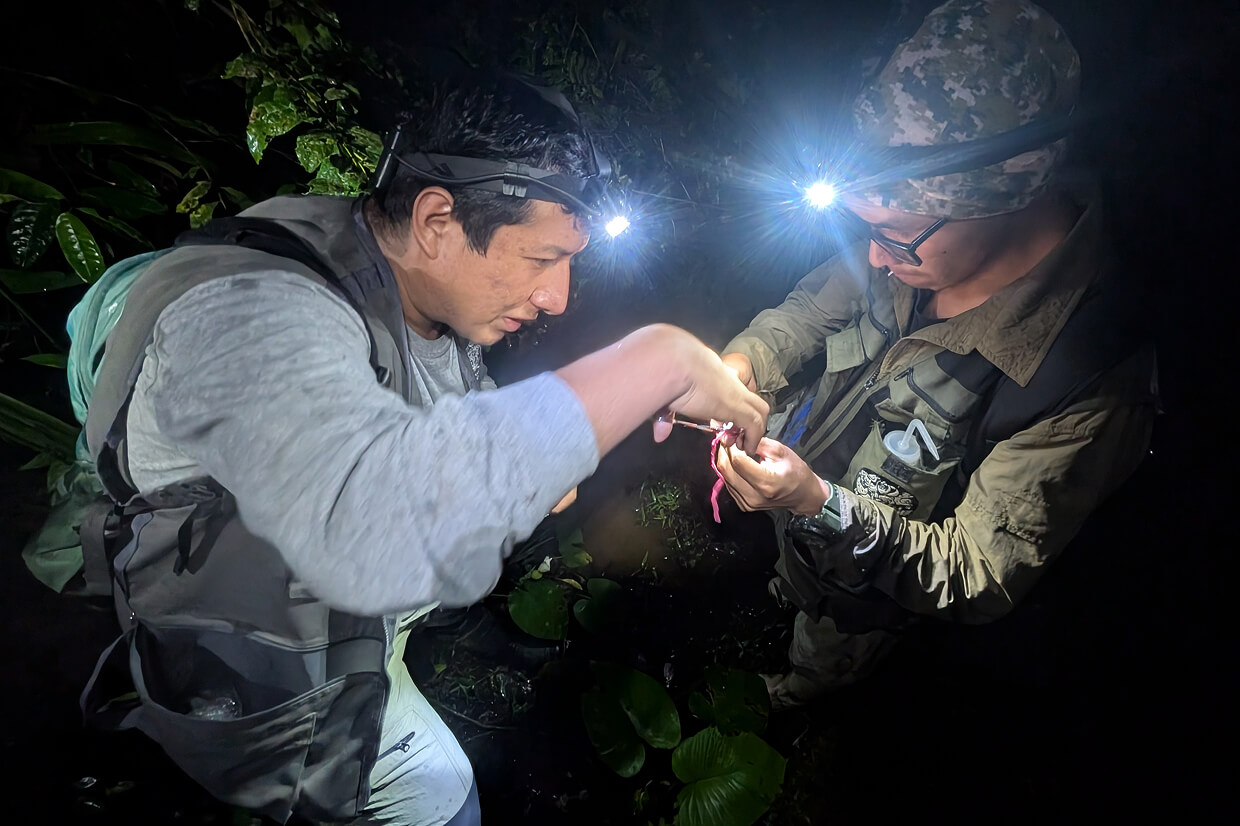
Lastly, there is still much to discover and understand about the biodiversity of this complex region. After decades of restricted access due to the presence of groups like the Shining Path, scientists are finally exploring these poorly studied areas. These areas, once too dangerous to study, are now revealing new species to science and are reshaping our understanding of this region, bringing long-overdue scientific attention to one of the world’s most enigmatic landscapes.
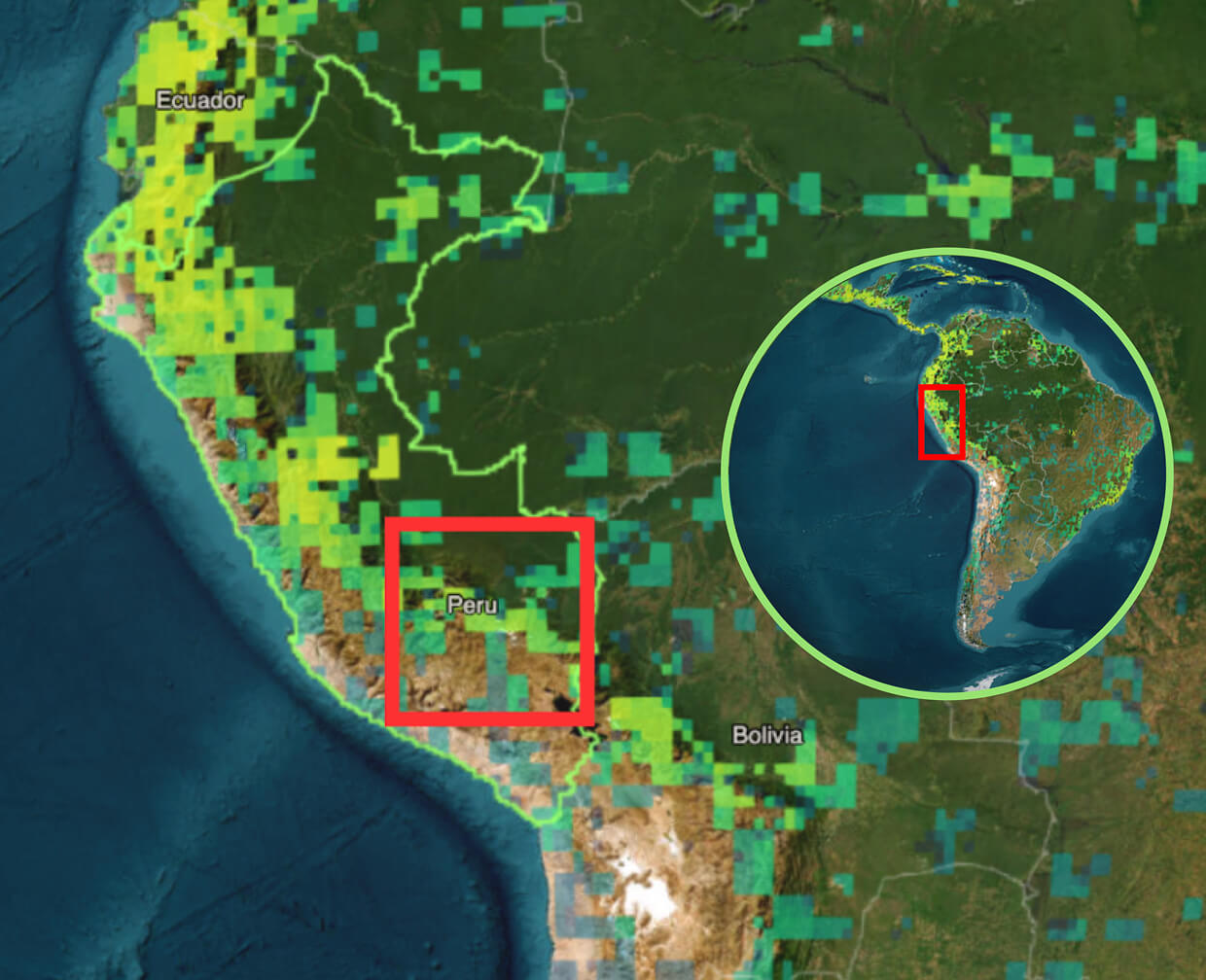
Explore the Peruvian Andes and Amazon Regions through the Half-Earth Project Map
Do you know someone who fits the description of a Half-Earth Chair? Want to learn more? Email Brooks Bonner for more information about Half-Earth Chairs and Scholars.