

Text by E.O. Wilson | Photographs by Alex Harris
 Indian Mound State Park, Dauphin Island
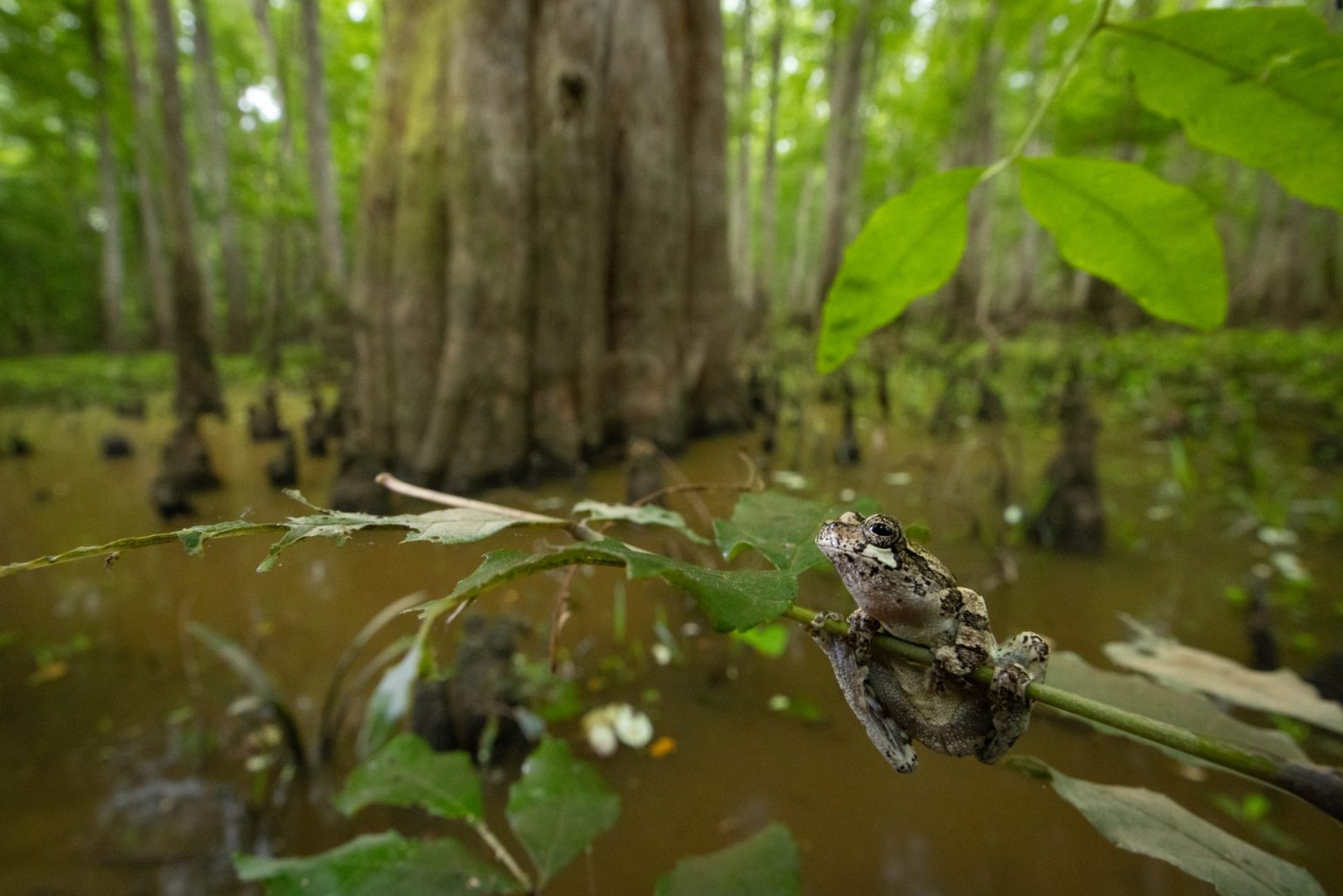
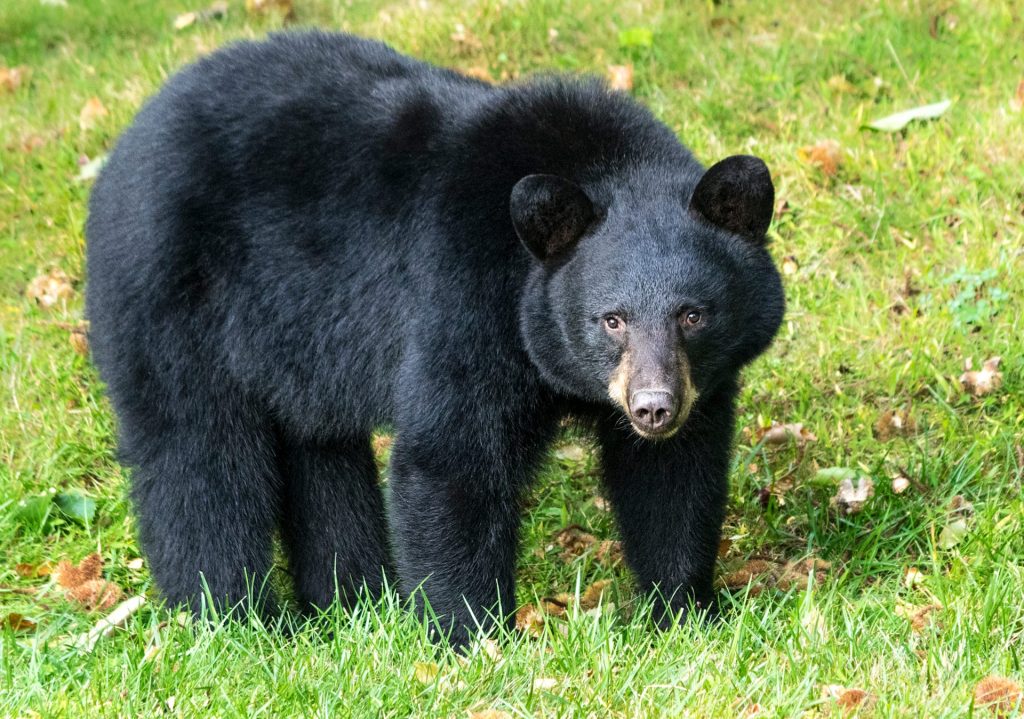
To a teenage boy exploring its edges during the early 1940s, the Mobile-Tensaw Delta was a stream-laced wilderness, an impenetrable jungle, and a great forest magical to the imagination. I rode my bicycle back-and-forth over the eight-mile-long causeway that forms the southern boundary, wondering at some of the variety of birds that came from its interior and at stories I heard of bear, bobcats, alligators, and other wildlife living there, and of the legendary variety and abundance of fishes in the upstream waters.
I have never abandoned that image. The Delta to me remains an American Amazon that few have entered and fewer still know and understand. Maybe I might someday be one of the important explorer naturalists of its interior.


Seventy years after my bicycle trips, very little has changed. The Delta is still a wilderness, still a wildland entered with care, my imagination churning. The animal life, and even part of the flora, are still poorly known compared to other natural environments in the southeastern United States. Almost no roads penetrate the interior. It remains an almost completely undisturbed skein of small islets surrounded by branching and anatomizing streams and oxbow lakes.

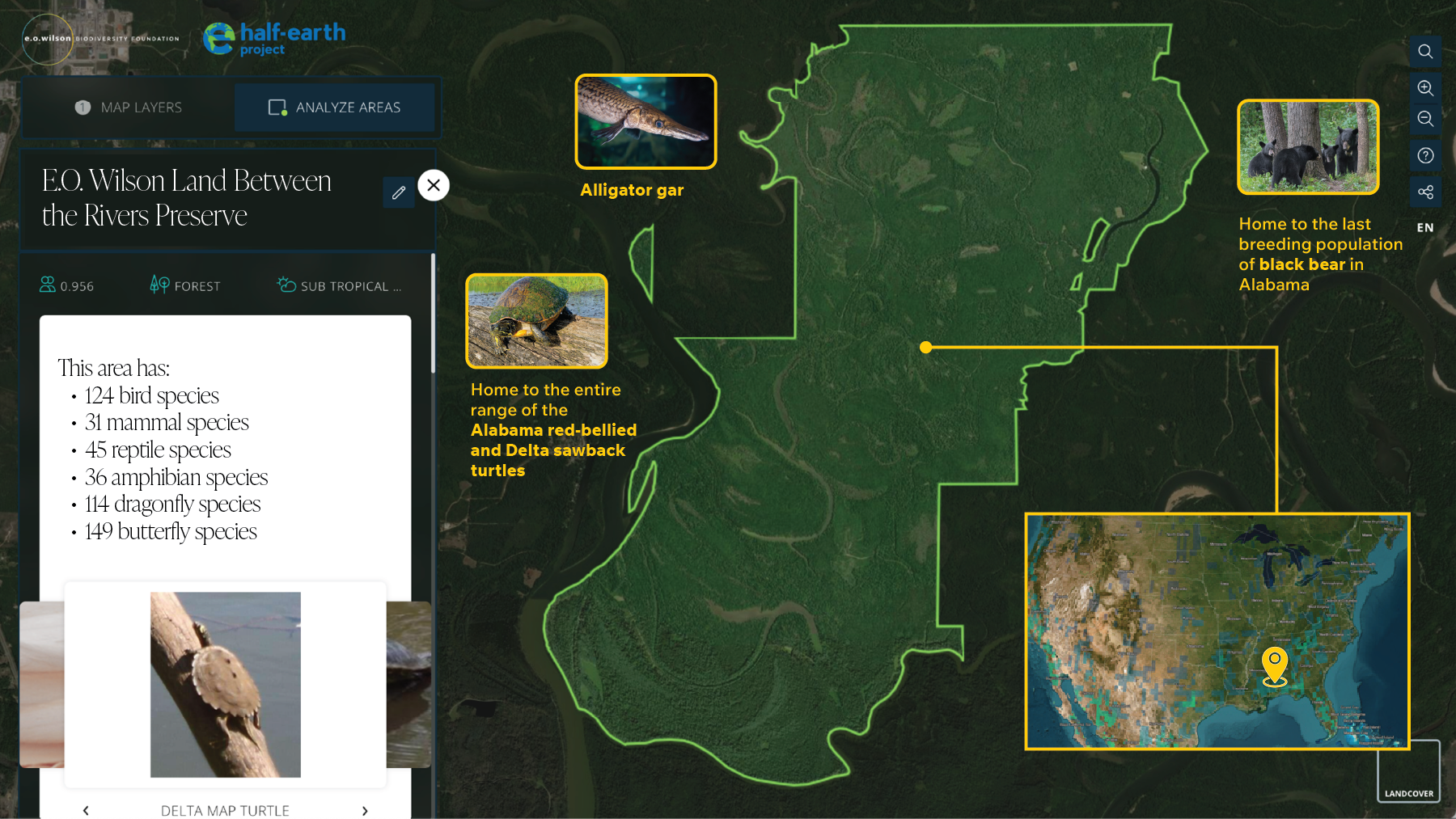
The Delta is a stronghold of biodiversity. Alabama as a whole is home to arguably the largest numbers of freshwater fish spaces in America, some 350 species, many of which live in and immediately around the Delta waters. Some are critically endangered. The section of the central Gulf Coast containing the Delta is home to the largest number of turtle species in the world, of which one is also on the endangered list. When the spring migrant songbirds arrive from Yucatan to their first landfall on nearby Dauphin Island (making it one of the top ten bird-watching localities in the world, incidentally), it is possible to see as many as 18 warbler species in a single morning. Along their passage immediately northward lies the Mobile-Tensaw Delta.


When the ridges and deep ravines of the Red Hills, on the north boundary, are added to the Delta, the biodiversity climbs ever higher—and steeply. The ravines are the exclusive range of the large and very rare giant Red Hills salamander. Deep in them are old-growth “ice-age forests” of tree and other plant species left behind during the retreat of the last continental glacier. The oak species alone deserve to be a legend on their own. Where oak-rich southern Appalachia has 12 species, the Red Hills have at least 24, possibly a world record.

With the passing of the years, I’ve also learned about some of the unique historical features of this region. Deep within the interior is the unexcavated mound village, which served as the regional center of the Mississippian Indian culture during AD 1250–1550. Across the Tensaw is Blakeley State Park, site of the last major battle of the Civil War, which was fought only hours after the signing at Appomattox. James Joyner, one of my great-grandfathers, was in the Alabama First Artillery during this final struggle. As the Confederate position collapsed, he escaped into the Delta and made his way home to nearby Mobile. Forty years earlier, Blakeley was the site of a new utopian town. My great-great-grandmother Mary Hodges was born there in 1826, then taken to Mobile by her parents when outbreaks of yellow fever forced the abandonment of the settlement in the 1830s.

The magic of the Mobile-Tensaw Delta and uplands enclosing it has stayed with me all my life. Although I have lived far away for six decades, as a Harvard University professor, a lot of me has remained there and in the little port city of Mobile. Recently I published a novel, Anthill (2010) and, with the great documentary photographer Alex Harris, a history that includes the Delta: Why We Are Here: Mobile and the Spirit of a Southern City (2012).
The United States deserves to maintain the integrity of Mobile-Tensaw Delta and Red Hills region, as it is strikingly unique in its history and environment and preeminent in the richness of its fauna and flora.
—E.O. Wilson (1929–2021)

The photographs on this page are a special set of images of the Mobile Delta selected from Why We Are Here: Mobile and the Spirit of a Southern City. To see a wider representation of the photographs in Why We Are Here, including images of the people and culture of Mobile, please visit Alex Harris’s website.


